

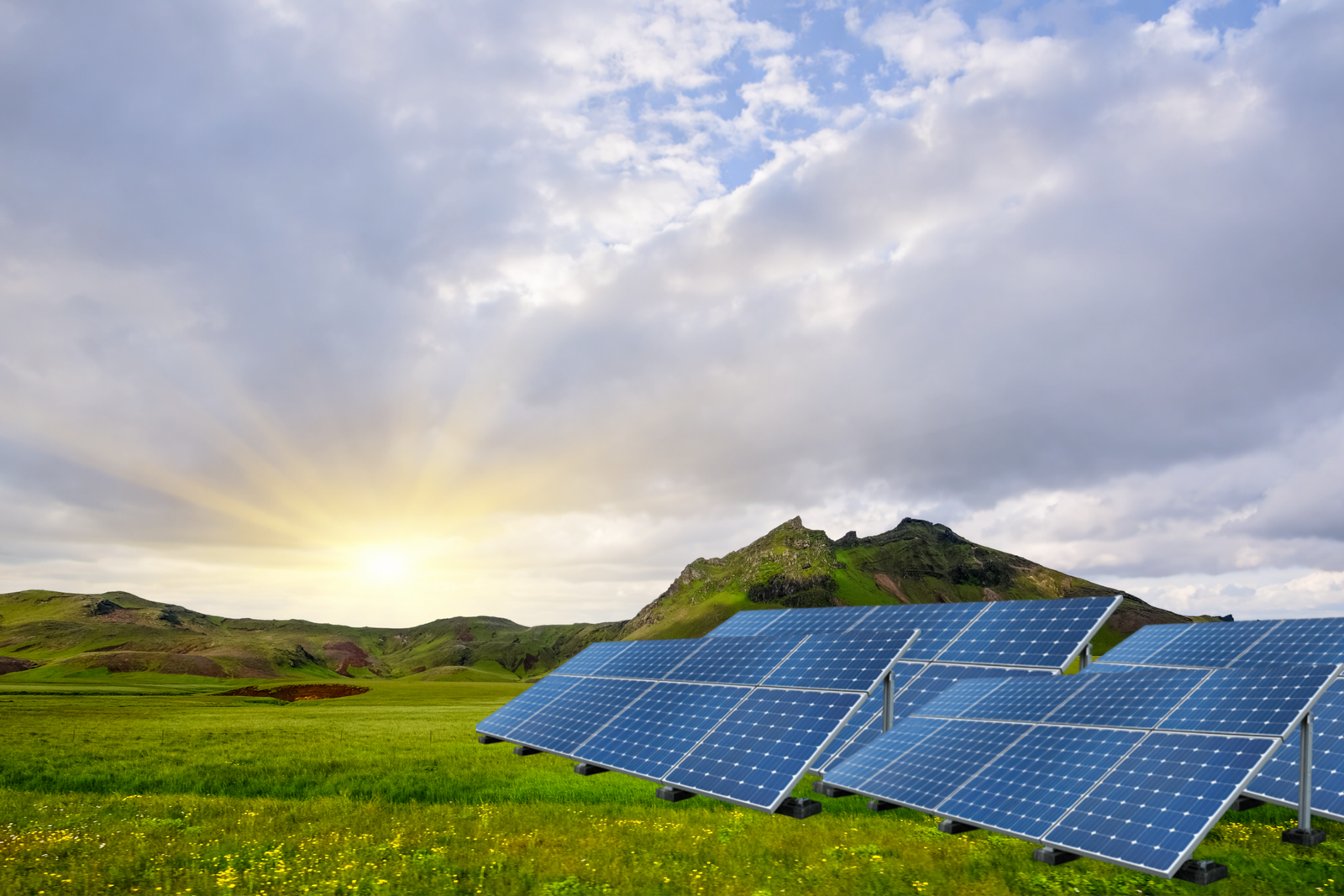
In today’s rapidly evolving energy landscape, businesses and homeowners alike are shifting toward clean, reliable, and cost-effective power sources. A Solar Panelf Model plays a critical role in determining how efficiently solar energy is captured, converted, stored, and distributed for daily use.
Understanding different solar system models is essential for selecting the right configuration that aligns with energy needs, budget, and long-term sustainability goals.
Table of Contents
This comprehensive guide explores everything you need to know about solar panel models — their types, components, working principles, design considerations, benefits, and future innovations.
What Is a Solar Panel System Model?
A solar panel system model serves as a comprehensive blueprint for a solar power installation, detailing the configuration, connection, and management of components to convert sunlight into electricity. It encompasses various setups including on-grid, off-grid, and hybrid systems, emphasizing the arrangement of components, energy flow pathways, and performance expectations. Key components include photovoltaic panels, inverters, mounting structures, optional battery storage, charge controllers, and monitoring systems. The model outlines the process of energy generation from sunlight to usable AC power, detailing the roles of each component in efficiency and safety.
Different types of models cater to various needs: on-grid systems allow surplus energy export, off-grid systems provide independence with battery storage, and hybrid systems combine both features. Understanding these models is essential for optimizing energy generation, reducing costs, and planning for sustainability. Performance depends on factors like irradiance, panel orientation, and installation quality, emphasizing the need for precise design to minimize losses and maximize energy yield.
Core Components of a Solar Panel System
Before diving into system models, it is important to understand the primary components that make up any solar energy system.
1. Solar Panels (Photovoltaic Modules)
Solar panels are devices that convert sunlight into Direct Current (DC) electricity through photovoltaic (PV) cells. There are three main types of solar panels: monocrystalline, polycrystalline, and thin-film. Monocrystalline panels are highly efficient and possess a sleek design, while polycrystalline panels offer a more cost-effective option. Thin-film panels are characterized by their lightweight and flexible nature. As the primary energy-generating units in solar energy systems, photovoltaic modules consist of semiconductor cells that absorb sunlight and create electricity via the photovoltaic effect. The efficiency and quality of these panels significantly influence the overall energy output, with the total number and capacity of panels determining the power produced by the system.
2. Solar Inverter
The inverter plays a critical role in solar energy systems by converting Direct Current (DC) electricity generated by panels into Alternating Current (AC), which is essential for powering a wide range of appliances and machinery. There are several types of inverters: String Inverters, Microinverters, Central Inverters, and Hybrid Inverters. Often termed the “brain” of the solar system, the inverter optimizes energy conversion, safeguards the system, and in advanced models, allows for communication with the grid to enhance overall performance. Additionally, solar inverters manage voltage levels and ensure system safety, making them vital for the efficient functioning of homes, offices, and industrial equipment that rely on AC power.
3. Mounting Structure
Mounting structures are essential for securing solar panels in the optimal position and angle to enhance sunlight exposure. They provide stability against environmental elements, ensuring that panels remain fixed and effective. The primary types of mounting systems include rooftop mounting, ground mounting, and tracking systems, with tracking systems designed to automatically adjust the panel direction to follow the sun’s movement, optimizing efficiency throughout the day.
4. Solar Battery Storage
Batteries play a critical role in energy storage by collecting excess electricity produced during the day, particularly from solar sources, for usage during nighttime or grid failures. There are several types of batteries, with lithium-ion batteries being the most commonly favored due to their superior efficiency and longevity. While not necessary for all energy systems, batteries are pivotal in off-grid and certain hybrid configurations, providing energy independence and serving as backup power solutions. Battery storage systems are essential for maximizing the utilization of renewable energy, ensuring that generated energy is available when it’s most needed.
5. Charge Controller
In off-grid and hybrid systems, a charge controller plays a vital role in the management of electrical energy flow. Specifically in battery-based configurations, it regulates the voltage and current between solar panels and batteries. This regulation prevents overcharging—an occurrence that can damage batteries—and deep discharge, which can compromise battery efficiency and lifespan. By maintaining proper energy flow from the solar panels to the batteries, the charge controller not only safeguards battery health but also enhances the overall efficiency of the energy system.
6. Monitoring and Control Systems
Modern solar panel systems are equipped with monitoring tools that provide real-time tracking of energy production, system performance, and overall health. These advanced monitoring systems enable users to receive alerts regarding potential issues, thereby facilitating optimized operational efficiency. Users can access this information through digital platforms or mobile applications, enhancing their ability to manage and monitor energy generation effectively.
Types of Solar Panel Models
The selection of a solar panel model depends on electricity requirements, grid availability, and financial planning.
1. On-Grid Solar System Model
An on-grid solar system is a grid-tied model directly connected to the utility electricity grid, functioning by generating DC electricity from solar panels, which is then converted to AC via an inverter to power appliances. Excess electricity generated during sunny periods is exported back to the grid through net metering, allowing for reduced electricity bills and efficient energy use. This system does not require battery storage, resulting in lower initial costs and minimal maintenance, making it ideal for urban residential homes, commercial buildings, offices, and industries.
While advantageous due to its simplicity and cost-effectiveness, it lacks power backup during grid outages unless paired with storage solutions. Overall, this model is commonly used because of its straightforward implementation and potential savings through energy credits or net metering.
2. Off-Grid Solar System Model
The off-grid solar panel model functions autonomously, unconnected to the utility grid, and utilizes battery storage to supply electricity in the absence of sunlight. Key features of this system include complete energy independence, making it ideal for remote or rural locations such as farms, standalone sites, telecom towers, and mountain resorts. However, the installation cost is higher due to the need for batteries and careful load planning.
In terms of operation, solar panels generate electricity, which is then regulated by a charge controller, stored in batteries, and converted to AC power by an inverter for use. The primary advantages of off-grid systems encompass continuous power availability devoid of grid dependence and serving as a backup during power outages. Conversely, the limitations include elevated costs tied to battery storage and the necessity for effective load management.
3. Hybrid Solar System Model
Hybrid systems integrate on-grid and off-grid features, utilizing solar panels to supply electricity and store excess energy in batteries. They offer advantages such as energy security, cost savings, and reliable backup during outages. Ideal for commercial facilities, hospitals, data centers, and homes in areas with frequent power interruptions, these systems feature grid connectivity, efficient energy management, and the ability to participate in net metering. However, they come with higher upfront costs and a more complex design. Increasingly popular for both residential and commercial users, hybrid systems provide a balanced approach to energy reliability and savings.
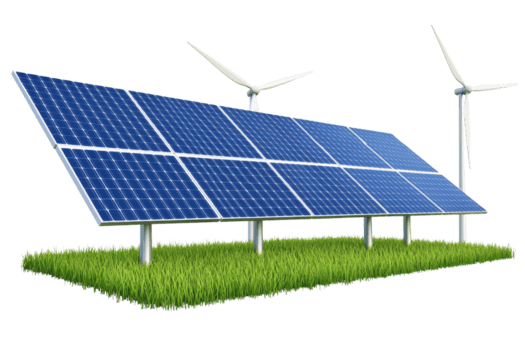
Grid-Tied vs Standalone System Models
| Feature | Grid-Tied Solar Panel System Model | Standalone (Off-Grid) Solar Panel System Model |
|---|---|---|
| Grid Connection | Connected to the utility grid | Not connected to the utility grid |
| Battery Requirement | Not mandatory (optional in hybrid systems) | Required for energy storage |
| Power During Outage | Does not work during grid failure (unless hybrid with battery) | Continues to supply power from batteries |
| Energy Independence | Partial independence | Complete energy independence |
| Initial Investment | Lower upfront cost | Higher upfront cost due to batteries |
| Maintenance | Low maintenance | Moderate to high (battery care needed) |
| Best Suitable For | Urban & industrial areas with reliable grid supply | Remote locations or areas with unreliable grid |
| Electricity Bills | Reduced through net metering | Eliminated (no dependency on grid) |
| System Complexity | Simple design | More complex design & sizing |
| Long-Term Cost | Cost-effective if grid policies are favorable | Higher long-term cost due to battery replacement |
Designing a Solar Panel Model
Designing a solar panel model is the process of planning and engineering a solar energy system so it efficiently meets your energy needs, performs reliably, and complies with safety standards. It combines technical analysis, site assessment, component selection, and electrical planning to create a system that delivers optimal performance over its lifetime.
1. Assess Energy Needs and Site Conditions
The first step is to analyze your electricity usage to determine how much power your system must generate. This includes calculating daily energy consumption in kilowatt-hours (kWh) and considering future growth in demand (e.g., EV charging or AC loads). A detailed site assessment follows, where roof orientation, available space, shading from trees or nearby buildings, and tilt angle are evaluated. Panels facing true south (in the Northern Hemisphere) at a tilt close to the site’s latitude usually produce the most energy.
2. Estimate System Size
Based on energy consumption and solar resource at your location, engineers determine how large the solar array should be. This involves calculating the number and wattage of panels needed to meet your load, factoring in inefficiencies and real-world conditions like shading or temperature effects. Proper sizing helps avoid over- or under-designing the system.
3. Select Components
Component selection is critical to design success. Solar panels are chosen based on efficiency, temperature performance, and space constraints. Inverters must be sized to handle peak array output and chosen based on system type (string, microinverter, or hybrid). Balance-of-system (BOS) items like mounting hardware, wiring, protection devices, and optional battery storage are also specified at this stage. High-quality components improve reliability and lifetime performance.
4. Layout and Electrical Design
With panel count and components determined, the next step is layout design — arranging panels to maximize sunlight exposure while minimizing shading. Electrical design includes routing cables, sizing wires to limit losses, placing protection devices like circuit breakers and surge protectors, and planning inverter and battery connections. This phase ensures electrical safety and compliance with local codes.
5. Simulation and Optimization
Before installation, simulation tools or software are often used to model system performance, predict generation output, and refine electrical and layout decisions. This helps identify potential issues early and ensures the design will meet performance targets once installed.
6. Compliance and Permitting
Designing a solar panel model also involves ensuring the installation complies with local building codes, electrical standards, and utility interconnection requirements. Early coordination with authorities and utilities can prevent delays and costly redesigns.
7. Final Review and Documentation
The final design package includes detailed drawings, equipment specifications, a one-line electrical diagram, structural calculations for mounting, and documentation for permitting and installation. This ensures installers and inspectors clearly understand how the system should be built and operated.
Residential Solar Panel Model
A residential solar panel model is specifically engineered for household applications, tailored to match electricity consumption, roof structure, budget, and long-term energy goals. It emphasizes compact design, high efficiency, aesthetic integration, and reliable performance. The design process starts with a thorough energy assessment of the homeowner’s electricity consumption, typically determining system capacity between 1 kW and 10 kW while considering future needs.
Site evaluation is essential, involving analysis of roof orientation, tilt angle, shading, and structural strength to ensure safe installation. Core components include high-efficiency photovoltaic (PV) panels, inverters, mounting structures, and optional battery storage, with monocrystalline panels favored for their efficiency. The inverter converts DC electricity from the panels to usable AC power, while safety devices ensure compliance with electrical standards.
There are three configurations: Grid-Tied models allow for net metering, Off-Grid systems operate independently with battery storage, and Hybrid models combine both features. Battery storage using lithium-ion technology enhances functionality, storing excess energy for nighttime use.
Performance optimization includes proper panel spacing for airflow and regular maintenance, supplemented by advanced monitoring systems for real-time tracking. Financially, such systems significantly reduce electricity expenses, protect against energy tariff increases, and offer a payback period of 4 to 6 years, with a lifespan of over 25 years, making them a viable long-term investment.
In summary, a residential solar panel model provides a sustainable energy solution that ensures reliable power generation, financial benefits, energy independence, and a smaller environmental footprint for homeowners.
Commercial Solar Panel Model
A Commercial Solar Panel Model is designed to meet the significant electricity demands of various commercial entities, such as businesses, hospitals, and warehouses. It features high capacity, enhanced structural support, and efficient energy management, distinguishing it from residential systems. The model’s development begins with an energy audit to analyze electricity consumption and determine the system capacity, which can range from 10 kW to several megawatts.
Site evaluation is critical, assessing factors like rooftop strength, shading, and available space for installation. High-efficiency solar panels, such as monocrystalline or bifacial types, are typically employed, along with suitable inverters and industrial-grade components to ensure reliability and safety. There are three configurations for these systems: grid-tied, off-grid, and hybrid, offering businesses options for energy management and backup.
The electrical design prioritizes safety compliance, including proper configuration and surge protection. Financially, businesses can expect significant reductions in electricity costs with payback periods of 3 to 6 years, contributing positively to their sustainability profiles and lowering carbon emissions. Monitoring systems incorporated into modern installations facilitate performance tracking and maintenance scheduling, optimizing efficiency.
Solar Panel Efficiency and Performance Modeling
Solar Panel Efficiency and Performance Modeling is the comprehensive process of evaluating how effectively a solar panel converts sunlight into electricity and predicting how an entire solar panel model will perform under real-world operating conditions. While efficiency focuses on the panel’s technical ability to convert solar energy, performance modeling analyzes how the complete system behaves over time, considering environmental factors, system losses, and long-term degradation.
Understanding Solar Panel Efficiency
Solar panel efficiency indicates the proportion of sunlight that a photovoltaic (PV) panel converts to electrical energy, measured under Standard Test Conditions (STC) at 1000 W/m² solar irradiance and a temperature of 25°C. For instance, a panel with 20% efficiency converts 20% of sunlight, while the remainder is lost as heat or reflection. Several factors influence this efficiency:
- Panel Technology: Monocrystalline panels generally achieve higher efficiencies compared to polycrystalline panels, with advanced options like bifacial modules offering enhanced output.
- Temperature Coefficient: Elevated temperatures can decrease performance; a lower temperature coefficient suggests better operation in hotter environments.
- Manufacturing Quality: Factors such as cell design, material purity, and anti-reflective coatings play crucial roles in conversion efficiency.
- Panel Degradation Rate: Most panels experience a degradation rate of about 0.5% annually, which affects long-term efficiency.
High-efficiency panels are particularly advantageous in space-constrained installations, as they produce more power per square meter.
What Is Performance Modeling?
Performance modeling of solar panels assesses their energy generation under real-world conditions, considering variables such as solar irradiance, system capacity, temperature variations, shading effects, and system losses. Key metrics include the Performance Ratio (PR), energy yield, capacity factor, and degradation rate, which help evaluate and compare system performance across different locations. Environmental factors like temperature, cloud cover, and dust significantly impact real-world performance. Integrating performance modeling with efficiency analysis is crucial for accurate system sizing, financial forecasting, and minimizing investment risks. Smart monitoring systems play a pivotal role in ensuring optimal operational efficiency throughout the lifespan of solar installations.
Monitoring and Smart Solar Models
1. Real-Time Performance Tracking
Real-time performance tracking is one of the strongest advantages of a smart solar panel model, as it allows users to continuously monitor system output instead of depending only on monthly electricity bills. With advanced monitoring tools integrated into the solar panel model, users can instantly view current electricity generation, peak production hours, energy exported to the grid, and battery charging or discharging status when storage is included. This constant visibility ensures that the solar panel model operates at maximum efficiency. By analyzing live performance data, system owners can quickly verify whether the solar panel model is delivering optimal output and meeting expected energy targets.
2. Fault Detection and Instant Alerts
A smart solar panel model is designed with intelligent fault detection capabilities that identify performance issues before they become major problems. These systems can detect sudden drops in energy generation, inverter failures, overheating panels, loose electrical connections, or shading disruptions. When irregularities are identified, the solar panel model automatically sends alerts through mobile apps, SMS, or email notifications. This proactive response minimizes downtime and protects the solar panel model from prolonged inefficiencies. As a result, system reliability improves, and long-term energy losses are significantly reduced.
3. Module-Level Monitoring and Optimization
Advanced solar panel model configurations often include microinverters or power optimizers that enable panel-level monitoring. This means each panel within the solar panel model can be tracked individually for voltage, output, and efficiency. Such detailed monitoring helps identify underperforming modules, reduce the impact of partial shading, and improve overall system productivity. By allowing independent operation of each panel, the solar panel model prevents one weak unit from affecting the performance of the entire array. This higher level of optimization ensures greater energy yield and better overall system efficiency.
4. Data Analytics and Predictive Maintenance
Modern solar panel model systems utilize historical performance data and intelligent analytics to improve long-term results. Predictive maintenance tools analyze trends to detect gradual efficiency declines and anticipate potential failures. Through this approach, the solar panel model can schedule cleaning based on performance drops, forecast inverter replacement needs, and estimate long-term degradation patterns. By applying data-driven decision-making, the solar panel model maintains higher performance standards and extends its operational lifespan. This not only enhances reliability but also protects the overall investment value of the system.
5. Integration with Battery Storage and Smart Grids
A contemporary solar panel model is built to integrate seamlessly with Battery Energy Storage Systems (BESS), Energy Management Systems (EMS), smart meters, and grid-interactive technologies. This integration allows the solar panel model to store excess energy generated during daylight hours and utilize it during peak tariff periods. By intelligently managing energy flow, the solar panel model reduces electricity costs and maximizes financial returns. The ability to coordinate with smart grids further enhances efficiency, making the solar panel model a flexible and economically optimized energy solution.
6. Remote Management and Multi-Site Control
For commercial and industrial applications, a smart solar panel model provides centralized remote management capabilities. Operators can oversee multiple solar panel model installations through a single dashboard, making it easier to monitor performance across various sites. Remote configuration adjustments, firmware updates, and comparative performance analysis allow for streamlined operations. This centralized control ensures that each solar panel model within a multi-site network maintains optimal performance, contributing to higher operational efficiency and improved energy output across all installations.
Future Innovations in Solar Panel Models
The future of renewable energy is being shaped by continuous advancements in technology, materials, and digital intelligence. Future Innovations in Solar Panel Models are transforming the traditional solar panel model from a basic electricity-generating unit into a highly efficient, intelligent, and integrated energy solution. As global demand for clean energy rises, every next-generation solar panel model is being designed to deliver higher efficiency, improved durability, smarter management, and seamless energy integration.
1. Ultra-High Efficiency Cell Technologies
One of the key advancements in the solar panel model industry is the development of sophisticated photovoltaic cell technologies. Innovations such as Tunnel Oxide Passivated Contact (TOPCon), Heterojunction Technology (HJT), perovskite cells, and tandem solar cells are exceeding the efficiency limitations of conventional silicon. A proposed solar panel utilizing tandem cell architecture can merge silicon with perovskite layers to harness a wider spectrum of sunlight. This design significantly increases electricity generation from a given area, enhancing the power and space efficiency of installations. Consequently, higher efficiency decreases the number of panels needed for the same electrical output, thereby lowering installation costs and optimizing rooftop space use.
2. Bifacial and Multi-Junction Designs
Another significant advancement in solar panel technology is bifacial technology, which enables panels to capture sunlight from both the front and rear surfaces. This dual-surface capability can lead to an increase in total energy yield, with ground-mounted systems that utilize reflective surfaces achieving 10–20% more energy generation compared to traditional monofacial panels. Additionally, multi-junction solar cells are under development to enhance the absorption of various wavelengths of sunlight. These innovative designs improve overall performance and allow solar panels to function more efficiently in diverse light conditions.
3. AI-Powered Smart Solar Panel Model
Artificial Intelligence (AI) and machine learning are increasingly vital to future solar panel designs. AI systems analyze real-time weather data, energy usage patterns, and performance metrics for automatic optimization of power generation. Key functions of a smart solar panel model include predicting daily energy production, detecting micro-faults before performance decreases, automatically adjusting inverter settings, optimizing battery charging cycles, and enhancing overall system performance. This intelligent automation enables continuous peak efficiency operation and reduces maintenance costs.
4. Advanced Energy Storage Integration
Future solar panel systems will incorporate advanced energy storage technologies such as lithium-ion, solid-state, and flow batteries, offering increased capacity, longevity, and safety. This integration will enable solar panels to store surplus energy generated during the day, which can then be utilized during periods of high demand or power outages. Such advancements will promote energy independence, enhance grid stability, and allow users—whether residential, commercial, or industrial—to achieve greater financial savings.
5. Building-Integrated Photovoltaics (BIPV)
The future of solar technology is evolving beyond traditional panels, with Building-Integrated Photovoltaics (BIPV) set to transform architectural design. This innovation involves incorporating solar technology directly into building materials, such as solar glass windows, solar roof tiles, solar facades, and transparent solar panels. By doing so, structures can generate energy while preserving their aesthetic appeal. The integration of solar panels within construction elements eliminates the need for separate mounting systems and provides greater design flexibility, marking a significant advancement in sustainable building practices.
6. Flexible and Lightweight Solar Panel Model
Advancements in thin-film technology are paving the way for the creation of lightweight and flexible solar panel designs. These innovative panels can be installed on various curved surfaces, including vehicles, portable devices, and temporary structures. Flexible solar panel solutions will significantly enhance the adoption of solar energy in transportation, mobile infrastructure, and off-grid applications, thereby increasing the accessibility and versatility of solar energy usage.
7. Self-Cleaning and Self-Healing Surfaces
Nanotechnology and advanced coatings are set to improve the durability of solar panels, incorporating features like self-cleaning coatings that repel dust, anti-reflective surfaces to enhance light absorption, and self-healing materials that can repair minor micro-cracks. These innovations are designed to sustain high performance in challenging environments while minimizing maintenance needs.
8. Improved Durability and Climate Resistance
The next-generation solar panel model is designed to endure extreme weather conditions, including high winds, heavy snow, intense heat, and humidity. Utilizing enhanced encapsulation materials and corrosion-resistant frames, these solar panels will have a lifespan exceeding 25–30 years, providing long-term reliability.
9. Smart Grid and Blockchain Integration
Future solar panel systems are set to engage with smart grids and decentralized energy networks. They may utilize blockchain technology for energy trading, enabling users to sell surplus electricity directly to nearby consumers or businesses. This evolution turns solar panels into interactive energy assets that can participate in peer-to-peer energy markets and adapt to dynamic pricing structures.
10. Sustainable Manufacturing and Recycling
Sustainability is a crucial focus in the development of solar panel technology. Key innovations include minimizing carbon emissions in the manufacturing phase, utilizing recyclable materials, enhancing recycling processes at the end of the panel’s life, and reducing dependence on rare metals. This commitment to sustainability not only promotes environmental accountability but also aligns with worldwide objectives for clean energy.
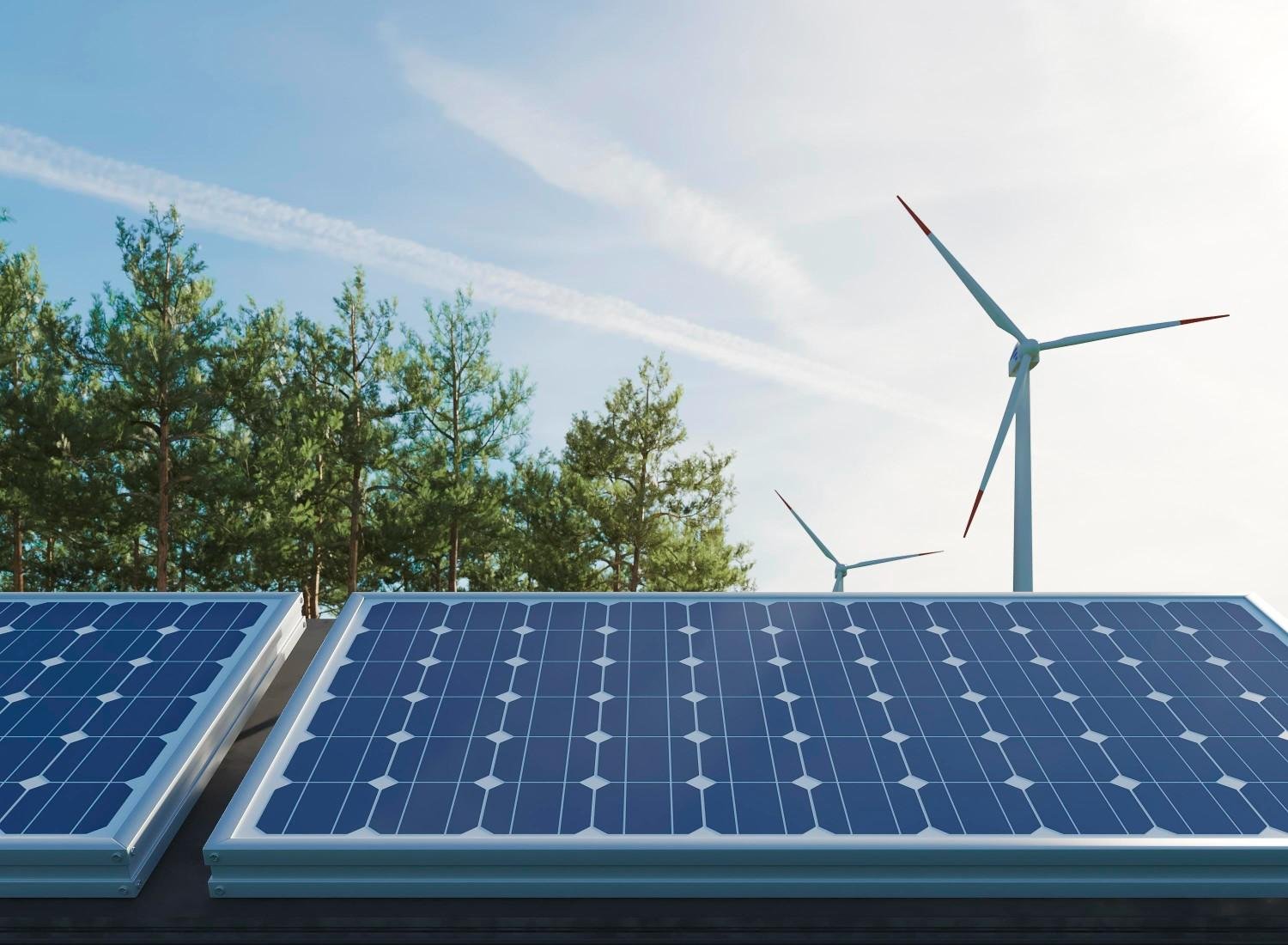
Cost Structure of Solar Panel Models
Understanding the Cost Structure of Solar Panel Models is essential for making informed investment decisions and accurately evaluating long-term returns. The total cost of a solar panel model is not limited to the photovoltaic modules alone; it includes multiple technical, structural, electrical, and service-related components that together determine the final project investment. A well-designed solar panel model balances upfront capital expenditure with long-term operational savings, efficiency, and durability.
The cost structure can be divided into several major categories:
1. Solar Modules (Panels): The solar modules serve as the fundamental element of solar panel systems and generally constitute the largest portion of total costs. The pricing of these panels is influenced by several factors, including the type of technology used (such as Monocrystalline, Polycrystalline, TOPCon, HJT, or bifacial), efficiency ratings, the quality and standards of the manufacturing brand, and the warranty duration, which typically spans 25 to 30 years. Notably, although high-efficiency solar panels may have a higher upfront cost per watt, they require fewer panels to generate the same output, enhancing space efficiency and overall system value.
2. Inverter System: The inverter plays a crucial role in converting the direct current (DC) from solar panels into alternating current (AC), which is essential for residential or commercial use. The costs of inverters depend on several factors, including the type (string, micro, or central inverter), compatibility with hybrid batteries, system capacity (measured in kW), and the presence of monitoring and smart features. Choosing the appropriate inverter is vital for enhancing the performance and reliability of the solar panel system.
3. Mounting Structure and Mechanical Components: Mounting structures are essential for securing solar panel models to rooftops or ground installations. The costs associated with these structures vary based on several factors, including the type of roof (e.g., RCC, metal, tile), whether the installation is ground-mounted or on a rooftop, wind load requirements, and the use of corrosion-resistant materials such as galvanized steel or aluminum. A durable mounting system is crucial for ensuring long-term structural stability and protection of the solar panel models from environmental stress.
4. Balance of System (BOS): The Balance of System (BOS) encompasses all necessary electrical and safety components needed for the safe and efficient operation of a solar panel model. Key components include DC and AC cables, combiner boxes, junction boxes, earthing systems, surge protection devices, circuit breakers, and isolators. Despite frequently being disregarded, BOS components are vital for maintaining system safety and enhancing overall performance.
5. Installation and Labor Costs: Professional installation plays a crucial role in the total cost of solar panel systems, encompassing several labor charges. These include site inspections and load assessments, engineering design, structural mounting, electrical wiring and connections, as well as testing and commissioning. In cases of complex installations, particularly in commercial or industrial settings, there may be a need for additional structural reinforcements and the involvement of specialized technicians, which further elevates the costs associated with the project.
6. Engineering, Permitting, and Compliance: For commercial and large-scale solar panel installations, soft costs encompass several key components including detailed engineering design, government approvals and permits, grid interconnection fees, and inspection and certification charges. The variation of these costs is influenced by regional differences and regulatory frameworks, yet they are critical for ensuring the legal and safe operation of solar systems.
7. Monitoring and Smart System Integration: Modern solar panel systems now frequently include sophisticated monitoring platforms, IoT sensors, and performance analytics software. Although these enhancements increase the initial cost, they significantly boost operational efficiency by allowing for early fault detection and decreasing long-term maintenance expenses. Furthermore, smart integration improves the visibility of the solar panel model’s performance, ultimately maximizing energy yield.
8. Battery Storage: Incorporating energy storage into a solar panel model raises initial costs, primarily influenced by factors such as storage capacity (measured in kWh), type of battery chemistry (including options like lithium-ion and solid-state), and considerations regarding lifecycle and warranty. Despite the higher capital expenses associated with battery systems, they offer significant benefits such as enhanced energy independence, improved management of peak load, and increased resilience of the overall energy system.
9. Operation and Maintenance (O&M) Costs: Over a lifespan of 25 to 30 years, solar panel models necessitate several maintenance activities, including panel cleaning, performance inspections, inverter servicing, and minor component replacements. While operations and maintenance (O&M) costs are generally lower than those for conventional power systems, they should still be considered in lifetime cost assessments.
10. Replacement and Degradation Considerations: Solar panels gradually lose efficiency, typically around 0.5% per year. Additionally, inverters may need replacement after 8–12 years. Factoring in degradation rates and component replacement ensures accurate financial modeling for a solar panel model over its operational life.
Government Policies and Incentives
Government policies and incentives play a transformative role in accelerating the adoption of a solar panel model across residential, commercial, and industrial sectors. As nations shift toward renewable energy to meet climate commitments and reduce dependence on fossil fuels, supportive regulations and financial mechanisms make investing in a solar panel model more accessible and economically viable.
A well-designed policy ecosystem reduces upfront capital costs, ensures stable returns, promotes domestic manufacturing, and strengthens grid integration. Below is a comprehensive and combined overview of Government Policies and Incentives of solar panel model adoption in detail.
1. Capital Subsidies and Direct Financial Assistance
One of the primary motivations for adopting solar panel systems is the availability of direct capital subsidies aimed at lowering initial installation expenses. In India, the Ministry of New and Renewable Energy (MNRE) facilitates the Central Financial Assistance (CFA) under national rooftop solar initiatives. Residential consumers can benefit from various subsidies, including: up to 40% for systems up to 3 kW, 20% for systems between 3 kW and 10 kW, and special incentives for certain states. Additionally, the Pradhan Mantri Surya Ghar Muft Bijli Yojana further promotes rooftop solar adoption by providing significant financial aid and offering free electricity benefits to households. These subsidies notably decrease payback periods, enhancing the affordability of solar panel systems for homeowners.
2. Net Metering Policies
Net metering is an essential regulatory framework that boosts the economic feasibility of solar panel systems by allowing users to export excess electricity generated back to the grid. Consumers benefit by receiving energy credits for surplus power produced, which subsequently reduce their electricity bills in future billing periods. This system ensures that no solar energy is wasted and transforms the grid into a form of virtual storage. For commercial and industrial users, net metering significantly enhances return on investment and optimizes system utilization.
3. Feed-in Tariffs (FiT) and Gross Metering
Some regions utilize Feed-in Tariff or gross metering policies, where all electricity generated by solar panels is sold to the grid at a predetermined tariff rate. Consumers acquire electricity separately for their own consumption. This system ensures a stable income, rendering large-scale solar panel installations financially viable and appealing to investors.
4. Tax Benefits and Accelerated Depreciation
Tax incentives provide significant advantages for commercial and industrial investors implementing a solar panel model. Key benefits include:
- Accelerated Depreciation: Businesses can depreciate a large percentage of their solar assets in the initial year, leading to reduced taxable income and enhanced cash flow.
- Reduced GST: Solar equipment typically qualifies for lower Goods and Services Tax (GST) rates, which decreases the overall capital expense of adopting solar technology.
- Income Tax Credits and Rebates: In various regions, portions of the solar investment can be deducted from income tax obligations, thereby increasing financial returns for investors.
5. Renewable Energy Certificates (RECs)
Solar panel model owners have the opportunity to earn Renewable Energy Certificates (RECs) for the clean electricity they produce. These certificates can be traded in renewable energy markets, providing an extra source of income. The system of RECs serves to motivate industries and utilities to fulfill Renewable Purchase Obligations (RPO), which in turn boosts the demand for solar panel installations.
6. Production Linked Incentive (PLI) for Manufacturing
Governments are implementing Production Linked Incentive schemes to enhance domestic solar manufacturing. These programs aim to encourage the local production of solar cells and modules, decrease reliance on imports, improve technological standards, and reduce the costs of solar panel models over time. Such initiatives are designed to ensure the long-term sustainability of the industry and maintain price competitiveness.
7. Low-Interest Loans and Solar Financing
Financial institutions, in collaboration with government programs, provide various financing mechanisms to promote the adoption of solar panel models. These include subsidized interest rates, flexible EMI repayment options, and zero or low down payment schemes. Additionally, solar projects can benefit from priority sector lending status. Such initiatives help reduce entry barriers, facilitating greater access for households and businesses to solar energy solutions.
8. Renewable Purchase Obligations (RPO)
RPO (Renewable Purchase Obligation) policies mandate that large electricity consumers and utilities procure a specific percentage of their power from renewable energy sources. This regulatory framework is driving an increased demand for solar installations and facilitating a more rapid deployment of the solar panel model across various industrial sectors.
9. Smart Grid and Energy Storage Incentives
Modern energy policies advocate for the integration of solar panel systems with Battery Energy Storage Systems (BESS), smart meters, and energy management systems. These hybrid systems are supported by incentives aimed at increasing grid reliability and promoting energy independence, ultimately maximizing self-consumption of generated energy.
10. Simplified Approval and Digital Portals
Governments are implementing various reforms to simplify procedures for adopting solar panel models. These reforms include the introduction of single-window clearance systems, launching digital subsidy tracking portals, standardizing interconnection norms, and streamlining application processes. Such initiatives aim to reduce administrative delays and enhance the overall ease of adoption for solar technologies.
Why Choosing the Right Solar Panel Model Matters
Selecting the right solar panel model is essential for achieving maximum energy generation, long-term reliability, and better financial returns. The solar panel model you choose directly impacts system performance, efficiency, maintenance needs, and overall investment value.
Key Reasons:
- Higher Energy Efficiency
A high-quality solar panel model converts more sunlight into electricity, helping you generate more power even with limited rooftop space. - Better Long-Term Performance
Premium solar panel model options have lower annual degradation rates, ensuring stable power output for 25–30 years. - Climate Compatibility
The right solar panel model performs efficiently in specific environmental conditions such as high temperatures, dust, humidity, or coastal areas. - Improved Return on Investment (ROI)
Although some models may cost more initially, a high-performance solar panel model produces greater lifetime energy, reducing payback time and increasing savings. - Stronger Warranty and Reliability
A reliable solar panel model includes long product and performance warranties, protecting your investment from defects and performance loss. - System Compatibility and Optimization
The correct solar panel model works seamlessly with inverters, batteries, and monitoring systems, ensuring balanced and efficient system operation. - Lower Maintenance Costs
Durable solar panel model designs reduce risks such as micro-cracks, hot spots, and performance drops, minimizing long-term maintenance expenses.
Conclusion
Choosing the right solar panel model is the foundation of a successful and future-ready solar investment. From efficiency and durability to financial returns and long-term performance, every factor depends on selecting a solar panel model that matches your energy needs, site conditions, and budget. A well-chosen solar panel model not only maximizes electricity generation but also reduces maintenance costs, shortens payback periods, and ensures reliable performance for decades.
In today’s rapidly evolving solar industry, making an informed decision is more important than ever. The right solar panel model transforms solar power from a simple installation into a long-term strategic asset that delivers consistent savings and sustainability benefits.
Ready to Choose the Best Solar Panel Model? If you’re planning to invest in solar, let our experts help you select the most efficient and cost-effective solar panel model for your project. Contact us today for a customized consultation and take the first step toward smarter, cleaner, and more profitable energy solutions.
