Monthly Archives: December 2025

Top 7 Solar Panel Manufacturers in India Driving Cost-Efficient Industrial Energy Transformation

Solar Panel Manufacturers

As the global economy marches toward a future powered by renewable energy, India is emerging as a powerhouse in solar manufacturing. For leaders in large manufacturing units seeking to cut costs, enhance sustainability, and secure energy independence, understanding the landscape of solar panel manufacturers in India isn’t just informative—it’s strategic.

This comprehensive blog explores the Indian solar manufacturing ecosystem in depth: the key players, technologies, policy frameworks, supply chains, quality standards, cost dynamics, and how decision-makers can confidently navigate procurement and deployment for their industrial operations.

Why Solar Manufacturing in India Matters Now

India is entering a pivotal phase in its energy evolution — and solar manufacturing sits at the heart of this transformation. For decision-makers in large manufacturing units, understanding this shift isn’t just informative — it’s strategic.

1. Powering India’s Clean Energy Ambition

India has set ambitious goals for renewable energy, targeting 500 GW of non-fossil fuel capacity by 2030, with solar energy as a central element of this strategy. The sector is experiencing rapid growth across utility-scale, commercial, and industrial domains. The acceleration of local solar manufacturing is crucial to this transition, as it reduces reliance on imports, thereby facilitating quicker, more affordable, and more predictable deployment of clean energy.

2. Reducing Import Dependence and Supply Chain Risks

Historically, India has relied heavily on importing solar cells and modules, which subjected solar projects to global supply chain disruptions and currency risks. In response, India is developing a domestic solar manufacturing ecosystem, transitioning from reliance on imports to self-reliance. This shift aims to stabilize supply chains and reduce lead times for industrial solar deployments. Such self-reliance offers protection to large energy consumers from fluctuations in foreign markets, providing significant advantages in long-term planning and cost management.

3. Strong Policy Support and Strategic Incentives

Indian policymakers have established a comprehensive framework to enhance solar manufacturing in the country. The Production Linked Incentive (PLI) scheme promotes investments in high-efficiency solar module production. Additionally, Domestic Content Requirements and the Approved List of Models and Manufacturers (ALMM) play a crucial role in ensuring quality and creating demand for domestically produced solar panels. By imposing customs duties on imports, the government protects local manufacturers and stimulates investments in upstream capabilities. These policies are not merely temporary measures; they function as structural enablers, fostering growth and confidence throughout the solar value chain.

4. Growing Domestic Manufacturing Capacity

India’s solar manufacturing capacity has significantly increased from a few gigawatts to an anticipated 200 GW for modules and 100 GW for cells by 2028. This expansion facilitates faster large-scale solar deployments, shortens project development timelines, and achieves competitive pricing through economies of scale. Consequently, industrial energy buyers benefit from improved availability and pricing certainty.

5. Competitive Edge in Global Supply Chains

India is increasingly recognized as a significant manufacturing hub, aligning with global strategies such as “China Plus One,” which encourages businesses to diversify their sourcing. As India expands its manufacturing capabilities, it experiences growth in export opportunities, improvement in manufacturing quality, and acceleration in innovation. This evolution enhances India’s appeal as a reliable supplier within the global solar ecosystem, allowing both Indian manufacturers and major energy consumers to capitalize on global demand trends.

6. Job Creation and Economic Growth

The solar manufacturing drive presents significant economic advantages by generating thousands of jobs in various sectors including fabrication, assembly, logistics, and quality testing. Initiatives such as the Production-Linked Incentive (PLI) scheme and state-level incentives have already resulted in the creation of tens of thousands of new manufacturing jobs. This growth not only bolsters local economies but also fosters the development of a skilled workforce essential for sustaining long-term energy infrastructure.

7. Control Over Quality, Technology, and Innovation

Domestic manufacturing enables Indian companies to customize solar products to suit local climate challenges, such as extreme heat, dust, and monsoon variability, while also incorporating advanced technologies like PERC, TOPCon, and bifacial modules. This results in higher performance, lower degradation, and improved lifecycle value of solar systems. For industrial users, these benefits lead to predictable power generation and enhanced return on investment (ROI).

Understanding Solar Panel Technologies

India’s solar panel manufacturers are the backbone of the country’s rapidly expanding renewable energy ecosystem. They play a critical role in transforming sunlight into reliable, cost-effective electricity—especially for large manufacturing units seeking long-term energy security, lower operating costs, and stronger sustainability credentials. Understanding how these manufacturers operate, innovate, and deliver value helps industrial decision-makers make confident, future-ready investments.

What Solar Panel Manufacturers Do

Solar panel manufacturers in India are engaged in the entire process of photovoltaic (PV) module development, which includes designing, producing, assembling, and testing. They typically operate across various stages of the solar value chain, which involves:

  1. Solar Cell Production or Sourcing: Manufacturers either produce or source solar cells using advanced technologies such as Monocrystalline PERC, TOPCon, and bifacial designs.
  2. Module Assembly: The solar cells are then encapsulated, laminated, framed, and electrically tested to create durable and high-performance solar panels.
  3. Quality Control and Certification: The assembled modules undergo extensive testing to assess their heat resistance, mechanical strength, and electrical performance, assuring consistent functionality for over 25 years.

Recently, many Indian manufacturers are shifting towards integrated manufacturing by expanding from solely module assembly into solar cell production. This development aims to enhance quality control and ensure supply reliability.

Why Solar Panel Manufacturers in India Matter

The growing significance of Indian solar manufacturers can be attributed to several key strategic factors. First, there is an increase in industrial demand as large manufacturing units turn to solar energy to counter rising power costs and fulfill ESG commitments. Second, reduced import dependence allows domestic manufacturers to minimize risks associated with global supply chain disruptions, currency fluctuations, and logistics delays. Lastly, Indian manufacturers achieve cost competitiveness through economies of scale, automation, and government incentives, allowing them to provide competitive prices without sacrificing quality. For industrial energy buyers, these developments promise predictable timelines, stable costs, and enhanced long-term operational confidence.

Technologies Powering Indian Solar Manufacturing

Indian solar panel manufacturers provide a diverse range of advanced technologies for industrial and utility-scale applications. Key offerings include monocrystalline solar panels, which excel in efficiency and performance, particularly for space-constrained environments like factory rooftops. Bifacial solar panels are designed to capture sunlight from both sides, enhancing overall energy yield and making them suitable for ground-mounted installations and solar carports. Additionally, advanced cell technologies such as PERC and TOPCon have been developed to operate efficiently under high temperatures and low-light conditions, which is particularly beneficial for the Indian climate. These technological advancements result in increased energy generation, reduced degradation over time, and improved lifecycle returns for consumers.

Quality Standards and Reliability

Reputed solar panel manufacturers in India comply with national and international standards such as BIS and IEC certifications. Many are listed under approved government frameworks, ensuring safety, durability, and bankability. For manufacturing companies, this reduces performance risk and ensures dependable energy output for decades.

What Industrial Buyers Should Focus On

Understanding solar panel manufacturers is crucial for industries to make informed decisions that extend beyond mere pricing and emphasize long-term value. Key evaluation criteria include the manufacturers’ production capacity and future technology developments, the efficiency of the solar modules and their performance in various temperatures, the presence of relevant certifications alongside warranties and degradation rates, and the quality of after-sales service and reliability over time.

India’s Solar Manufacturing Landscape

India’s solar manufacturing landscape is rapidly evolving from a limited module-assembly market into a robust, high-capacity, and technology-driven industrial ecosystem. This transformation is positioning the country as a key global player in renewable energy supply chains. For industrial leaders, the rise of domestic Solar Panel Manufacturers is reshaping how solar projects are sourced, priced, financed, and deployed across commercial and manufacturing operations.

1. Rapid Expansion of Manufacturing Capacity

India has witnessed exceptional growth in solar module and cell production over the past few years. By the end of 2024, the country’s cumulative solar module manufacturing capacity reached approximately 90.9 GW, while solar cell capacity grew to nearly 25 GW—a sharp rise from earlier levels. In just the first half of 2025, India added another 44.2 GW of module capacity and 7.5 GW of cell capacity, driven by strong policy backing and robust demand from industrial and utility-scale projects.

This expansion highlights how Indian Solar Panel Manufacturers are scaling rapidly to meet both domestic energy needs and global demand. Under the Production Linked Incentive (PLI) scheme, nearly 48 GW of PV module manufacturing capacity has already been allocated, with additional capacity under development—signaling India’s long-term commitment to manufacturing leadership.

2. Geographical Hubs of Solar Manufacturing

India’s solar manufacturing growth is geographically diverse, reducing regional risk and improving supply chain resilience. Gujarat has emerged as a dominant hub, leading in both solar module and cell production and accounting for a significant share of national output. Rajasthan, Tamil Nadu, and Uttar Pradesh have become key centers for module manufacturing, while Karnataka and Telangana play an important role in cell production. This distributed manufacturing footprint strengthens the ecosystem for Solar Panel Manufacturers, ensuring consistent supply availability and faster delivery timelines for industrial solar projects across the country.

3. Technological Progress and Industrial Upgrading

India’s solar manufacturing sector is not just expanding—it is upgrading technologically. Many Solar Panel Manufacturers now produce modules based on larger M10 and G12 wafer formats, enabling higher efficiencies and improved power output. Monocrystalline technology continues to dominate, while investments in TOPCon and next-generation cell technologies are accelerating.

Indian manufacturers are increasingly aligning with global quality benchmarks, which enhances confidence among industrial buyers. This technological advancement is critical for maximizing energy yield, reducing degradation, and delivering strong long-term returns on investment for large manufacturing units.

4. Policy Support as a Growth Engine

Government initiatives have been instrumental in shaping India’s solar manufacturing ecosystem. The Production Linked Incentive (PLI) Scheme has emerged as a major catalyst, encouraging Solar Panel Manufacturers to invest in high-efficiency modules and integrated manufacturing capabilities. Under PLI Tranche-II, nearly 39,600 MW of domestic solar PV module capacity has been allocated, driving capital investment, job creation, and technological innovation. Complementary frameworks such as the Approved List of Models and Manufacturers (ALMM) ensure quality compliance and enable domestic manufacturers to participate in government and institutional projects. Together, these policies are helping Solar Panel Manufacturers reduce import dependency, strengthen local supply chains, and build a future-ready manufacturing ecosystem.

5. Balancing Domestic Growth and Market Dynamics

As India’s solar manufacturing capacity grows rapidly, the market is entering a more competitive phase. While domestic capacity expansion enhances supply security, it also encourages manufacturers to differentiate through efficiency, quality, and service reliability. For industrial buyers, this competition among Solar Panel Manufacturers leads to better pricing, improved technology access, and stronger after-sales support—key factors for long-term energy planning.

6. What This Means for Industrial Energy Buyers

For manufacturing units transitioning to solar energy, the current landscape offers several advantages: reliable local supply with short lead times, competitive pricing bolstered by policy incentives, adherence to quality and performance standards, and increased scale and choice from diverse manufacturers. This mature domestic ecosystem facilitates the design of solar solutions that are not only cost-efficient and high-performing but also aligned with sustainability goals.

Top Solar Panel Manufacturers in India

Here’s a detailed look at leading Indian solar panel manufacturers trusted for industrial and commercial projects:

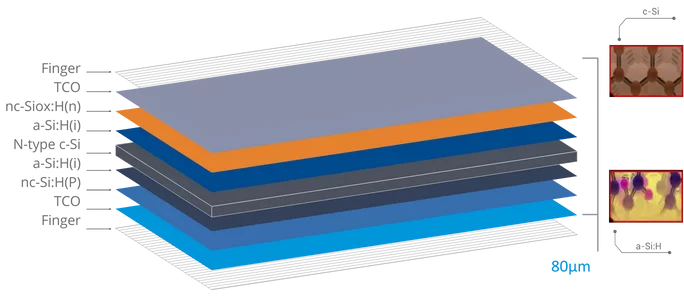
1. Waaree Energies Ltd.

Waaree, located in Mumbai, Maharashtra, stands as one of India’s largest solar panel manufacturers, boasting an annual module capacity exceeding 15 GW across multiple plants. The company offers a broad spectrum of photovoltaic (PV) modules, including monocrystalline, N-type, HJT, bifacial, and flexible variants. As the leading domestic solar module producer in India, Waaree’s products cater to various applications such as rooftop installations, industrial projects, and utility-scale developments. The company’s strong commitment to quality control and backward integration enhances its operational capabilities. Waaree has established a significant global presence, serving industrial, commercial, and utility-scale clients with reliable solar solutions characterized by superior quality and diverse offerings.

2. Soleos Energy Private Limited

Over the past 12 years, Soleos has developed a portfolio exceeding 450 MW and has specialized in commercial and industrial (C&I) rooftop solar, ground-mount systems, and solar parks. The company has a global presence in countries including Spain, Portugal, the United Kingdom, the United Arab Emirates, Germany, and various regions in Africa. By 2024, Soleos accomplished over 120 projects, with more than 350 MW of solar capacity installed and commissioned. The firm, headquartered in Ahmedabad, Gujarat, India, executes large-scale projects worldwide, including a notable 200 MW solar park in the Democratic Republic of Congo, which is projected to be commissioned by late 2026.

3. Adani Solar

Adani Solar, a component of the Adani Group’s clean energy ecosystem, is a rapidly expanding, vertically integrated solar panel manufacturers located in Ahmedabad, Gujarat. The company is focused on a significant expansion toward a capacity of 10 GW and beyond, producing high-efficiency mono PERC and TOPCon modules. Its importance lies in its comprehensive value-chain presence, which encompasses the production of cells, modules, and various other components.

Adani Solar benefits from competitive pricing due to robust manufacturing automation and possesses substantial capacity for both utility-scale and industrial applications. The firm’s strategy emphasizes building capacity across the entire manufacturing spectrum—from ingots and wafers to cells and modules—while catering to both domestic and international markets, establishing a strategic manufacturing footprint in India.

4. Tata Power Solar Systems Ltd.

Tata Power Solar, based in Bengaluru and Noida, is a highly regarded Solar Panel Manufacturers in India, boasting decades of experience across various segments including commercial, industrial, residential, and utility markets. The company is recognized for its extensive expertise in Engineering, Procurement, and Construction (EPC), as well as project execution. Its solar panels are specifically optimized for Indian weather conditions, ensuring proven reliability alongside strong after-sales support. Tata Power Solar’s manufacturing facilities focus on producing efficient mono-PERC modules, reflecting the company’s commitment to high quality and effective execution.

5. Vikram Solar Pvt. Ltd.

A Tier-1 Solar Panel Manufacturers, Vikram Solar, is globally recognized for its export-ready modules and commitment to high-efficiency technologies such as HJT (Heterojunction Technology) and n-type cells. The company has established itself as a preferred supplier for quality-focused buyers, particularly in industrial and utility projects, having executed over 275 projects with a cumulative capacity of 1.03 GW across 39 countries, which highlights its substantial international presence. Notably, in 2023, Vikram Solar commissioned a significant 300 MW solar project in Nokhra, Rajasthan, which is among the largest single-site photovoltaic projects in Uttar Pradesh. For the fiscal year 2023-24, the company reported revenues of INR 25,109.90 million and employed 1,513 people, indicating strong growth and operational scale.

6. RenewSys India Pvt. Ltd.

RenewSys is a leading integrated solar panel manufacturers in India, specializing in the production of not only solar panels but also key photovoltaic (PV) components, including encapsulants and backsheets. This upstream integration allows RenewSys to maintain higher quality control and ensure stable supply for industrial applications, enhancing overall performance and reliability in solar energy deployments.

7. Goldi Solar

Goldi Solar is an emerging Solar Panel Manufacturers recognized for its robust and export-ready solar modules. The company specializes in high-efficiency module types, including monocrystalline and bifacial options that cater to both rooftop and ground-mounted installations. As it rapidly expands its capacity, Goldi Solar aims to meet increasing demand in the solar energy market.

Quality Standards and Certifications to Know

When evaluating Solar Panel Manufacturers, quality standards and certifications are not just technical checkboxes—they are critical indicators of long-term performance, safety, and bankability. For industrial and commercial buyers, choosing certified solar panels directly impacts energy yield, asset life, and return on investment.

1. IEC Certifications: The Global Benchmark

IEC (International Electrotechnical Commission) standards are essential for ensuring the safety and performance of solar modules, particularly for bankable projects. Key standards include:

  • IEC 61215 / IS 14286: Focuses on design qualification and type approval, confirming long-term outdoor performance.
  • IEC 61730 (Parts 1 & 2): Establishes safety design and testing requirements for photovoltaic (PV) modules, emphasizing electrical safety, fire resistance, and insulation reliability.
  • IEC 61701: Conducts a salt mist corrosion test to evaluate environmental resistance.
  • IEC 62716: Tests modules for ammonia corrosion.
  • IEC 61853: Assesses performance under varying irradiance and temperature conditions.

Additionally, other rigorous tests account for dust, humidity, temperature cycling, and transport durability. Compliance with IEC standards is crucial as it guarantees that solar panels can reliably perform across various climates, making them ideal for industrial rooftops and solar parks. Esteemed solar panel manufacturers adhere to these standards, ensuring their products are well-suited for industrial rooftops, ground-mounted plants, and utility-scale applications globally.

2. BIS Certification: Mandatory for India

The Bureau of Indian Standards (BIS) certification, particularly under IS 14286 for crystalline silicon photovoltaic (PV) modules, is a mandatory requirement for all solar panels sold or deployed in India. This certification ensures that solar panels meet essential safety and performance standards applicable in Indian conditions. It is crucial for legal market access, ensuring that panels adhere to basic safety, structural integrity, and electrical performance requirements. Solar panels lacking BIS certification should be avoided in formal tenders and contracts.

For Indian manufacturers utilizing solar energy, BIS-certified panels guarantee compliance with national regulations, eligibility for government and institutional projects, and diminish the risk of purchasing substandard or counterfeit products. Reputable solar panel manufacturers consistently maintain active BIS registration for their module models, reflecting their commitment to quality and standards compliance.

3. ALMM Listing: Critical for Government & Large Projects

The Approved List of Models and Manufacturers (ALMM) is a quality-assurance list maintained by the Ministry of New and Renewable Energy (MNRE) in India, which certifies manufacturers who adhere to proper documentation, consistent production practices, and traceable quality systems. The ALMM is crucial for government-backed solar initiatives, public sector projects, and significant commercial and industrial tenders. It enhances procurement confidence by reducing the risk of substandard solar modules and provides industrial buyers with assurance regarding the origin, quality control, and policy compliance of the solar panels they procure.

4. ISO Certifications: Manufacturing Excellence

Leading solar panel manufacturers typically possess several ISO certifications that signify their commitment to quality and safety in production. The key certifications include ISO 9001:2015 for Quality Management Systems, ISO 14001:2015 for Environmental Management Systems, and ISO 45001 for Occupational Health and Safety. These certifications signify that manufacturers adhere to consistent and audited processes within their facilities, rather than testing individual panels, which is essential for ensuring consistent quality across large production batches. The presence of such standards enhances operational discipline and minimizes variability in panel quality for large-scale projects.

5. TÜV, UL, and Third-Party Testing

Independent third-party certifications from agencies like TÜV Rheinland and SolarPTL ensure solar panel performance under real-world and stress conditions, including long-term energy output, high-temperature and humidity tolerance, corrosion, mechanical stress, and outdoor performance verification. These tests confirm that modules meet or exceed their rated performance, essential for bankability. Bodies such as TÜV Rheinland, TÜV Süd, and UL provide validation through rigorous tests like thermal cycling, PID resistance, and mechanical load tests. Industrial buyers should select manufacturers whose modules have passed extensive third-party testing beyond the basic requirements.

Cost and Supply Chain Considerations

Understanding cost dynamics and supply chain realities is essential when evaluating Solar Panel Manufacturers. These factors influence module pricing, project timelines, warranty commitments, and overall ROI — especially for large manufacturing units planning rooftop, ground-mount, or captive solar installations.

1. Supply Chain Structure — India’s Ongoing Import Dependence

India’s solar supply chain is heavily reliant on imported upstream materials, primarily polysilicon and wafers, as domestic production remains limited. This dependency leads to price fluctuations driven by global markets and logistics, affecting module pricing and project timelines. Disruptions such as trade restrictions or shipping delays can significantly impact solar projects. To address these risks, strong solar panel manufacturers adopt strategies like developing multiple supplier networks, engaging in backward integration, planning inventory in accordance with project pipelines, and establishing localized manufacturing and warehousing. For large-scale solar installations, ensuring supply reliability is critical alongside cost considerations.

2. Raw Material Costs Drive a Large Share of Panel Pricing

Raw materials significantly impact the total cost of solar modules, with polysilicon, wafers, and cells being major cost components due to imports and international pricing pressures. The costs of other materials like glass, frames, encapsulants, and silver paste vary based on duties and local sourcing. Fluctuations in key materials such as aluminum and silicon influence panel pricing, making it essential for industrial buyers to consider these trends for long-term solar procurement budgeting.

The price set by solar panel manufacturers is determined by interconnected factors beyond wattage, including the costs of raw materials, cell and module technologies (Mono-PERC, TOPCon, bifacial, n-type), manufacturing scale, quality standards, and warranties. Low-cost panels lacking quality assurance may lead to higher degradation and operational costs. Thus, reputable manufacturers prioritize competitive pricing alongside long-term performance, essential for calculating industrial return on investment (ROI).

3. Capital Intensity and Integration Costs

Expanding manufacturing in India from module assembly to include cell, wafer, and polysilicon production demands significant capital investment, with a fully integrated facility being much costlier than a module plant. This capital intensity restricts supply chain development, causing many Indian Solar Panel Manufacturers to depend on imports and affecting their pricing control. However, India’s domestic manufacturing has enhanced cost predictability, offering benefits like reduced exposure to international price fluctuations, lower logistics costs, faster delivery times, and decreased import reliance. Supported by government initiatives like PLI and ALMM, domestic manufacturers are achieving economies of scale that stabilize pricing without sacrificing quality.

4. Logistics, Lead Times and Infrastructure

Efficient supply chains are crucial for timely solar panel delivery, as delays from customs, congestion, and transport issues can disrupt project schedules and increase overall costs. Industrial buyers should assess supply reliability and logistics capabilities alongside pricing, as delays may escalate labor, financing, and opportunity expenses. Preferred manufacturers provide shorter lead times, predictable delivery, and effective coordination with EPC and O&M teams, minimizing risks in critical projects.

5. Policy Impacts on Cost and Supply Chains

India’s Production Linked Incentive (PLI) scheme promotes domestic investment in solar module and cell capacity, enhancing self-reliance. However, complexities arise from policy asymmetries, import regulations for polysilicon and wafers, and limited incentive coverage. Proposed policies aim to encourage domestic sourcing but require gradual implementation. Stable policies are crucial for reducing price volatility and supporting supply chain predictability. Supply chain disruptions from trade issues or geopolitical events can impact project timelines, hence strong solar panel manufacturers use multiple supplier networks, backward integration, inventory planning, and localized manufacturing to ensure reliability, which is essential for large-scale solar installations.

Government Policies and Incentives

India’s policy environment actively promotes solar manufacturing:

  • Production Linked Incentive (PLI) Scheme: The Production Linked Incentive (PLI) Scheme is a key initiative by India’s Ministry of New and Renewable Energy to enhance the solar manufacturing sector. It provides financial incentives to manufacturers of high-efficiency solar PV modules for production and sales over five years. The scheme aims to build large-scale domestic manufacturing, attract advanced technologies, promote local material sourcing, create jobs, and enhance competitiveness against imports. Key benefits include incentivizing large-scale production, fostering vertical integration, improving cost competitiveness, and ensuring supply security. The government has committed substantial financial support to boost manufacturing capacity, attracting investments from both domestic and international players.
  • ALMM Framework: Ensuring Quality and Traceability: The Approved List of Models and Manufacturers (ALMM), managed by MNRE, is a compliance framework that certifies solar modules and manufacturers for government and institutional projects. Inclusion in the ALMM indicates verified quality and documentation, facilitates participation in significant contracts, and promotes local manufacturing. The government plans to extend ALMM to solar cells, enhancing quality standards. ALMM ensures domestic manufacturing, enforces standards, mitigates the risk of substandard imports, and increases procurement transparency. Many tenders now require ALMM-listed modules, making it vital for solar project planning.
  • Basic Customs Duty (BCD): Supporting Domestic Manufacturing: India has implemented a Basic Customs Duty (BCD) of 20% on imported solar cells and modules to protect and promote domestic Solar Panel Manufacturers. This adjustment lowers previous higher duty rates, making local production more competitive against imports. Additional charges, such as the Agriculture Infrastructure and Development Cess (AIDC) and Social Welfare Surcharge, may still be applicable. However, certain machinery and capital goods necessary for manufacturing are exempted from customs duty to encourage the establishment of fabrication facilities. These measures aim to create a level playing field for domestic manufacturers and stimulate local production investments. The BCD significantly alters market dynamics by enhancing the competitiveness of Indian manufacturers, promoting local sourcing, and accelerating domestic production capacity. While it may affect short-term pricing, BCD ultimately strengthens long-term supply resilience and diminishes reliance on global supply chains.
  • Domestic Content Requirements (DCR): Under certain government solar initiatives, like the MNRE’s CPSU Phase-II and grid-connected rooftop solar programs, there are Domestic Content Requirements (DCR) that necessitate the use of domestically produced solar cells and modules to qualify for subsidies. This requirement stimulates local manufacturing demand and bolsters Solar Panel Manufacturers within the country. The push for domestic content not only prompts these manufacturers to invest in local facilities and cultivate Indian supply chains but also fosters job creation and skill development. For industrial buyers prioritizing environmental, social, and governance (ESG) criteria and sustainability objectives, procuring from domestic sources advances both the energy transition and boosts national manufacturing growth.

These policies reduce costs and accelerate deployment—especially attractive for large commercial and industrial energy consumers.

How to Choose the Right Manufacturer for Your Project

Here’s a decision-making framework tailored to industrial buyers:

Step 1: Define Your Energy Needs

  • To successfully initiate a solar project, it is essential to first clarify the project’s objectives. This involves analyzing current electricity consumption, peak demand hours, and seasonal load patterns. Additionally, the available installation space—such as rooftops, ground mounts, or carports—along with future expansion considerations should be taken into account. Establishing these parameters from the outset allows for the selection of Solar Panel Manufacturers whose products align with specific energy targets, space limitations, and operational needs. For manufacturing facilities, utilizing high-efficiency panels is particularly crucial to optimize output while ensuring operational continuity.

Step 2: Assess Total Cost of Ownership

  • Upfront panel cost represents just one aspect of the investment in solar panels. A comprehensive evaluation should emphasize the Total Cost of Ownership (TCO), which incorporates long-term performance and risk considerations spanning over 25 years. Essential factors to assess include module efficiency, degradation rates, warranties for both product and performance, maintenance needs, and anticipated energy yield. Reputable Solar Panel Manufacturers provide panels that ensure stable long-term output accompanied by robust warranty support, minimizing hidden costs and guaranteeing predictable savings throughout the lifespan of the system.

Step 3: Evaluate Technical Fit

  • Not all solar panels exhibit the same performance across varying conditions, so it is crucial to evaluate if the manufacturer’s technology is suitable for your specific site and environmental factors. Essential certifications, such as BIS, IEC, and ALMM (if applicable), should be verified alongside performance data that reflects high-temperature, dusty, or humid conditions. Advanced technologies, including mono PERC, TOPCon, and bifacial modules, can notably enhance the output for industrial applications. Reputable solar panel manufacturers aim to design products that ensure reliability, safety, and efficiency when subjected to real-world operating environments.

Step 4: Check After-Sales Support

  • A solar plant is considered a long-term asset, making comprehensive after-sales support essential for its protection. Key factors to assess include the manufacturer’s local service availability, the clarity of warranty terms, response times for technical issues, and the accessibility of replacement modules. Established solar panel manufacturers that boast robust after-sales networks and financial stability are able to effectively reduce downtime, facilitate warranty claims, and provide consistent system performance throughout the life of the project.

Future Outlook

The solar industry is poised for significant growth driven by technological advancements and increased global competition among Solar Panel Manufacturers. With rising renewable energy adoption, manufacturers are expanding production to meet demand from various sectors, particularly in India, which is emerging as a key manufacturing hub, facilitating both domestic use and exports. This expansion is expected to improve module availability, shorten project timelines, and stabilize pricing for large energy consumers. The industry is advancing towards high-efficiency technologies, shifting from conventional solar panels to innovations such as TOPCon, heterojunction, bifacial, and high-wattage models, optimizing energy output and ensuring reliability in high-temperature environments. This shift is especially beneficial for industrial applications requiring space efficiency and return on investment.

Moreover, there is a trend towards vertical integration in the solar supply chain, where manufacturers are investing in upstream capabilities like wafer and cell production to enhance supply chain resilience and quality control. This move minimizes dependence on imports and stabilizes costs, aiding long-term project planning. Digitalization and automation are transforming production processes, with AI-enabled quality checks and automated lines boosting manufacturing efficiency and consistency. These improvements support uniformity in module quality, increasing confidence in performance.

Sustainability is becoming a crucial focus, with manufacturers adopting eco-friendly production practices, responsible sourcing, and end-of-life solutions for solar modules, aligning with the ESG goals of businesses seeking cleaner energy. In conclusion, the solar manufacturing sector is moving towards consolidation, with innovative and financially robust manufacturers likely to dominate. This evolution promises industrial decision-makers enhanced access to higher-quality solar solutions, dependable suppliers, and greater assurance of long-term value, ultimately driving a cost-efficient and sustainable energy future.

Conclusion

The transition to solar energy has become a strategic imperative for modern manufacturing, and Solar Panel Manufacturers are at the heart of this transformation. With India’s solar manufacturing ecosystem rapidly advancing in scale, technology, and quality, industrial enterprises today have access to reliable, high-performance solar solutions that deliver long-term energy security and cost stability. Backed by strong policy support, advanced manufacturing processes, and globally aligned quality standards, Solar Panel Manufacturers are enabling factories to move away from volatile grid power and toward predictable, sustainable energy models.

By partnering with trusted Solar Panel Manufacturers, manufacturing units gain more than just clean electricity—they gain confidence. Confidence in consistent power generation, confidence in long-term warranties and after-sales support, and confidence in meeting sustainability and ESG commitments without compromising operational efficiency. As solar manufacturing continues to evolve, it will play a decisive role in building resilient, future-ready industries, ensuring that manufacturing growth is powered not only by energy, but by reliability, innovation, and solar confidence.

Frequently Asked Questions (FAQs) on Solar Panel Manufacturers

1. Who are Solar Panel Manufacturers?

Solar Panel Manufacturers are companies that design, produce, and test photovoltaic (PV) modules used to convert sunlight into electricity. Leading manufacturers focus on high efficiency, durability, and compliance with global quality standards to serve residential, commercial, and industrial solar projects.

2. Why is choosing the right Solar Panel Manufacturer important for industrial projects?

For industrial and commercial installations, the right Solar Panel Manufacturer ensures consistent energy output, long-term reliability, and strong return on investment. Quality manufacturing reduces risks related to panel degradation, downtime, and warranty claims over the 25–30 year lifecycle of a solar plant.

3. What certifications should Solar Panel Manufacturers have in India?

Reputed Solar Panel Manufacturers should comply with BIS certification, IEC standards (IEC 61215 & IEC 61730), and be listed under ALMM (Approved List of Models and Manufacturers) for government and large-scale projects. These certifications ensure safety, performance, and regulatory compliance.

4. How do Indian Solar Panel Manufacturers compare with global manufacturers?

Indian Solar Panel Manufacturers have rapidly improved in technology, capacity, and quality. With investments in advanced technologies like TOPCon and bifacial modules, many Indian manufacturers now meet global standards while offering cost advantages, shorter lead times, and strong local support.

5. What technologies are Solar Panel Manufacturers adopting today?

Modern Solar Panel Manufacturers are adopting high-efficiency technologies such as mono PERC, TOPCon, heterojunction (HJT), and bifacial modules. These technologies deliver higher energy yields, better temperature performance, and lower degradation—ideal for industrial applications.

6. How does the Production Linked Incentive (PLI) scheme support Solar Panel Manufacturers?

The PLI scheme encourages Solar Panel Manufacturers to set up large-scale, high-efficiency manufacturing facilities in India. It strengthens domestic supply chains, reduces import dependency, and improves quality and competitiveness for both domestic and export markets.

7. What should businesses consider beyond panel price when evaluating Solar Panel Manufacturers?

Beyond price, businesses should assess total cost of ownership, panel efficiency, degradation rate, warranty terms, financial stability of the manufacturer, supply reliability, and after-sales support. Trusted Solar Panel Manufacturers deliver better long-term savings despite slightly higher upfront costs.

8. Do Solar Panel Manufacturers offer long-term warranties?

Yes, established Solar Panel Manufacturers typically offer product warranties of 10–15 years and performance warranties of 25–30 years, ensuring reliable power generation and financial security for long-term solar investments.


5 Strategic Steps Businesses Should Take Using Solar Panel Calculators

Solar Panel Calculators

For industrial and commercial leaders today, energy is no longer just an operational cost—it’s a strategic lever. Rising electricity tariffs, grid instability, ESG commitments, and pressure to reduce carbon footprints are pushing manufacturing units to rethink how they produce and consume power. Solar energy has emerged as one of the most powerful solutions—but one key question always comes first: “How much solar do we actually need, and what will it deliver?”

That’s where a Solar Panel Calculators becomes invaluable. A Solar Panel Calculators is not just a digital tool—it’s the first step toward clarity, confidence, and control over your energy future. It helps businesses estimate solar capacity, power generation, cost savings, ROI, payback period, and carbon reduction before a single panel is installed.

In this blog, we’ll break down everything you need to know about Solar Panel Calculators—how they work, why they matter, and how industrial decision-makers can use them to build smarter, more profitable solar strategies.

What Is a Solar Panel Calculators?

In the general electronics sense, a solar panel calculators refers to the small set of photovoltaic cells built into many handheld calculators that convert light into electrical energy, powering the device without or with reduced reliance on batteries. These cells use the photovoltaic effect to generate current from sunlight or indoor light, enabling basic calculations as soon as light hits the panel.

However, in the solar energy planning and industry context, a solar panel calculators typically refers to a digital solar panel calculators tool — an online or software-based tool that helps estimate the size, output, savings, and financial performance of a proposed solar PV system before you invest. These tools let you input data such as your energy usage, location, sunlight hours, and electricity costs to calculate:

  • Recommended solar system size (kW)
  • Estimated energy generation (kWh/year)
  • Number of panels needed
  • Annual cost savings and payback period
  • Return on investment and long-term financial benefits

By transforming raw energy and site data into actionable insights, a solar panel calculators helps businesses, homeowners, and industrial users plan smarter solar investments, forecast long-term benefits, and compare scenarios before signing contracts or ordering panels.

Main Components of a solar panel calculators

Many components, such as solar panels, an LCD screen, and a circuit board, come together for the solar calculator to perform mathematical calculations reliably. 

Let’s check out all the components that make a solar-powered calculator work efficiently:

  • Photovoltaic panels: These are solar cells made of amorphous silicon, directly integrated on the calculator’s surface. Their job is to absorb light and convert it to electrical output.
  • LCD screen: This low-power liquid crystal display shows numbers and calculation results.
  • Processing unit: It’s the microprocessor chip that handles mathematical operations and functions.
  • Circuit board: These are electronic pathways that connect all components for smooth signal transmission.
  • Keypad interface: They’re the actual physical buttons for number and function input.
  • Backup battery: Most of these devices have a non-rechargeable button cell for low-light operation.
  • Diode system: It’s an electronic component whose job is to prevent reverse current flow.
  • Protective housing: This is the plastic or metal casing that protects the internal electronics of the calculator.

Why Solar Panel Calculators Matter for Industrial & Commercial Projects

For industrial and commercial organizations—such as manufacturing facilities, warehouses, factories, and large commercial buildings—going solar isn’t just an environmental choice; it’s a strategic financial and operational decision. These projects involve significant investment, complex load profiles, and long-term planning. A solar panel calculators is one of the most valuable tools in that journey because it transforms raw energy data and business variables into clear, actionable insights before any money is spent.

Below is a comprehensive breakdown of why these calculators are essential for industrial and commercial solar planning.

1. Enables Reliable Financial Planning: Solar projects require accurate financial forecasts for decision-makers. A solar panel calculators estimates projected energy savings, annual cost reduction, payback period, and return on investment (ROI), allowing businesses to evaluate solar against other capital expenditures. Industrial solar typically offers strong double-digit ROI and short payback periods, particularly in high energy consumption and steep electricity tariff environments, positioning solar as a viable investment option.

2. Translates Energy Consumption into System Requirements: Large facilities require tailored solar energy systems. A solar panel calculators analyzes electricity usage to recommend optimal system size, number of panels, and expected annual energy output, ensuring efficiency and cost-effectiveness.

3. Quantifies Savings and Payback Before You Invest: Industrial and commercial entities face higher electricity costs compared to residential users, making solar systems a viable way to offset expenses. A solar panel calculators can estimate the amount of grid electricity replaced, the payback period of the system, and the growth in savings over time. Typically, commercial and industrial solar paybacks range from 2.5 to 8 years, depending on tariffs, size, and incentives, highlighting the financial benefits of solar for businesses.

4. Helps Compare Scenarios and Design Options: Businesses utilize the solar panel calculators for scenario testing, enabling them to assess various factors such as system sizes, panel efficiencies, battery storage options, and the impact of incentives or tariffs. This analytical approach facilitates informed decision-making based on data rather than intuition.

5. Aligns with CFO & Finance Team Requirements: Industrial solar decisions are assessed alongside other investments using a solar panel calculators, which offers key metrics such as payback period, ROI percentage, cash flow projection, and a comparison with current energy expenses. This data enables CFOs and financial committees to justify solar investments based on business performance rather than solely on sustainability concerns.

6. Accounts for Incentives, Policies & Tax Benefits: Commercial and industrial solar projects can gain advantages from tax incentives such as accelerated depreciation, net metering or credit mechanisms, and local rebate programs. A solar panel calculators can help businesses accurately assess financial benefits, ensuring projections are realistic and actionable.

How a Solar Panel Calculators Works

Let’s break it down step by step.

Step 1: Electricity Consumption Input

The calculator for designing solar systems begins by assessing actual power usage, typically derived from monthly or annual electricity bills, peak demand measurements (kVA/kW), and operating hours (including day shifts, night shifts, and weekends). This approach ensures that the solar system is tailored to specific industrial load patterns rather than relying on arbitrary assumptions. Key data inputs for energy usage include electricity consumption (kWh), maximum demand (kVA), and the electricity tariff (in ₹/kWh or €/kWh), which are typically obtained from utility bills or energy audits for industrial users.

Step 2: Location & Solar Irradiance

The calculator begins by determining your geographic location using city, coordinates, or address, which is essential for evaluating local solar irradiance, a key factor in energy generation potential. Solar condition data is generally sourced from satellite and meteorological models. Several geographic factors are considered, including local solar irradiation levels, climate and weather patterns, and seasonal variations in energy generation. This assessment helps estimate how much sunlight solar panels can convert into energy, emphasizing the reliance on geographic variables like location, solar irradiation levels, climate conditions, and average sunshine hours. Consequently, the calculator delivers energy generation estimates that are more realistic and practical rather than just theoretical.

Step 3: Available Installation Area

Next, the calculator evaluates the physical installation area, including rooftop space, land space, or designated parking areas for solar carports, by allowing the user to input the available area or maximum panel layout size. This evaluation is crucial as the available area directly impacts the number of solar panels that can be installed and subsequently influences the total system capacity that can be deployed realistically. By assessing the usable space for rooftops, grounds, or carports, the calculator accurately estimates the number of panels that can fit, thereby ensuring that the recommended system size adheres to physical constraints and accommodates operational needs as well as potential future expansions.

Step 4: Technology Selection

The calculator evaluates various solar technology choices, including panel efficiency, the type of modules (bifacial vs. monofacial), inverter type, and mounting structure, which significantly affect energy yield, system cost, and overall performance. Important considerations include panel wattage (ranging from 300 to 500 watts), panel efficiency (the percentage of sunlight converted to electricity), inverter efficiency, and associated system loss factors. Higher efficiency panels and superior inverters enhance power generation and performance longevity, making these selections crucial for maximizing energy output. Advanced calculators incorporate additional factors such as module efficiency (including technologies like TOPCon and HJT), degradation rates, temperature coefficients, and inverter efficiency, which are essential for industries focused on optimizing energy yield per square meter of installation.

Step 5: Financial Parameters

Finally, the calculator incorporates essential financial inputs such as electricity tariff rates, system installation costs, local incentives, expected maintenance costs, and system lifetime. Using these inputs, it estimates the total project cost, monthly and annual savings, payback period, and return on investment (ROI). This step is crucial as it translates technical generation estimates into tangible business value, highlighting the time required to recover the initial investment and potential savings throughout the system’s lifetime. To compute ROI, the calculator takes into account project costs, operation & maintenance expenses, power tariff escalation, and applicable policy incentives. Ultimately, the calculator provides a comprehensive financial overview of the solar investment by integrating various cost components and savings, transforming technical figures into actionable business insights.

Key Outputs of a Solar Panel Calculators

This document outlines how to determine the appropriate size of a solar power system by considering actual energy consumption and geographic location. It emphasizes the importance of avoiding systems that are too small, which would limit savings, or too large, which could waste financial resources. The calculator recommends an optimal system size based on various factors, including consumption patterns, available space, and grid regulations. This approach prevents underutilization and promotes maximum self-consumption. Ultimately, it aims to establish the ideal solar plant capacity (measured in kW or MW) to correspond with electricity consumption and site-specific conditions, ensuring both optimal investment and system performance.

2. Annual Energy Generation

Projected energy output for solar plants is detailed through daily, monthly, and annual metrics, expressed in kWh. These estimates are essential for effective energy planning and are derived from local solar irradiance, panel efficiency, and system losses. Specifically, the outputs include daily energy production (kWh/day), monthly energy output (kWh/month), and annual energy generation (kWh/year), providing a comprehensive view of the realistic power generation capacity of solar systems.

3. Cost Savings Over Time

By converting projected solar generation into avoided grid electricity consumption, the calculator provides estimates for monthly and anual cost savings, as well as lifetime savings over 20 to 30 years. This forecasting tool helps illustrate the real dollar impact of solar energy by quantifying estimated bill savings through the offset of grid power, thereby directly affecting operating expenses.

4. Payback Period

The time required to recover the initial investment in solar energy, a critical metric for CFOs and leadership teams, is often estimated between 3 to 5 years for commercial and industrial projects. This duration is referred to as the payback period, which signifies how long it will take for energy savings to compensate for the initial costs. Once this payback period is complete, solar energy effectively provides free power, assisting in capital planning and budgeting decisions.

5. Return on Investment (ROI)

The calculator provides estimates for Return on Investment (ROI) through both simple calculations and detailed financial modeling, illustrating the profitability of solar investments in relation to their costs. It offers a transparent view of financial returns over the system’s lifespan, facilitating comparisons between solar energy and other capital investments.

6. Environmental Impact

Tools estimate annual CO₂ emissions avoided and equivalent environmental benefits, such as the number of trees planted. This information supports sustainability reporting and helps meet Environmental, Social, and Governance (ESG) goals. The estimation of CO₂ emission reduction plays a crucial role in advancing sustainability initiatives, ESG reporting, and fulfilling compliance commitments.

Solar Panel Calculators for Different Industrial Applications

1. Large-Scale Manufacturing Facilities

Large manufacturing plants operate with continuous and high electricity demand, driven by heavy machinery, automation systems, and multi-shift production schedules. A solar panel calculators plays a critical role in evaluating how solar energy can effectively offset these daytime production loads. By using a solar panel calculators, manufacturers can estimate the required solar system capacity, projected annual energy generation based on location and layout, savings under high commercial electricity tariffs, and expected payback period with long-term ROI. Most advanced tools allow users to select “Industrial” as an application type, enabling the solar panel calculators to model heavy consumption patterns accurately for rooftop or ground-mounted systems.

Key evaluations include shift-wise power consumption analysis, peak load alignment with solar generation, and rooftop or land availability assessment. The result is an optimized system size, improved self-consumption, strong ROI, and reduced dependence on grid electricity.

2. Warehouses & Logistics Centers

Warehouses and logistics hubs typically offer large, unobstructed rooftops and steady daytime power usage, making them ideal for solar installations. A solar panel calculators evaluates lighting loads, HVAC usage, material-handling equipment, and seasonal demand variations to determine optimal rooftop utilization. Using a solar panel calculators helps assess self-consumption versus energy export, expected energy savings, and how solar generation aligns with peak operational hours. The key outputs include maximum rooftop utilization, predictable cost savings, and reduced operational expenses through effective daytime energy offset.

3. Food & Beverage Processing Units

Food processing plants and cold storage facilities have high and continuous energy demand, primarily due to refrigeration, processing equipment, and hygiene systems. A solar panel calculators is essential in analyzing these base loads while factoring in temperature-related efficiency losses and power reliability requirements. The solar panel calculators provides stable solar generation estimates, identifies cost-saving opportunities, and supports sustainability targets. It also evaluates how solar can reduce reliance on expensive grid power and explores integration with energy storage systems to ensure uninterrupted operations. This enables facility managers to decide whether to deploy solar immediately or adopt hybrid energy solutions.

4. Textile and Garment Industries

Textile and garment manufacturing involves energy-intensive processes running for extended hours, making solar a highly attractive solution. A solar panel calculators helps textile units model seasonal energy generation, estimate how much solar energy can offset grid usage, and determine the investment scale needed to achieve meaningful savings. Industry-specific solar panel calculators tools align solar capacity with actual factory load patterns rather than generic assumptions. Key parameters include daytime load compatibility, seasonal production cycles, and electricity tariff structures. The outcome is higher solar utilization, faster payback, and long-term cost predictability.

5. Cement, Steel & Process Industries

Cement, steel, and other process industries are among the largest energy consumers, often operating at massive scales. A solar panel calculators helps these industries evaluate power demand, land availability for large ground-mounted systems or solar parks, and long-term energy offset potential. For chemical and pharmaceutical facilities—where power quality and reliability are critical—a solar panel calculators assesses integration with backup systems, forecasts reliable energy output for compliance, enhances energy security, and projects long-term savings aligned with operational budgets. These insights are essential in meeting strict regulatory and internal performance standards while improving the overall carbon footprint.

The Role of Advanced Technology in Accurate Calculations

Accurate solar planning is no longer possible with rough estimates—and that’s exactly why advanced technology plays a critical role in a solar panel calculators. For industrial and commercial projects, where investment size and energy demand are high, precision directly impacts ROI, performance reliability, and long-term savings.

Here’s how advanced technology elevates the accuracy and credibility of a solar panel calculators:

1. Location-Specific Solar Data Intelligence: Modern solar panel calculators tools utilize satellite-based data on solar irradiance and weather conditions to evaluate the availability of sunlight at specific locations. These assessments take into consideration regional climates, seasonal fluctuations, and historical weather patterns, resulting in energy generation estimates that align closely with actual on-site conditions.

2. Advanced Load Profile Analysis: Advanced calculators outperform monthly electricity bill assessments by analyzing hourly, shift-based, and process-specific consumption patterns, which is particularly crucial for manufacturing plants and continuous operations. This approach results in improved alignment between solar energy generation and actual power usage, thereby enhancing self-consumption rates.

3. Technology-Specific Performance Modeling: A sophisticated solar panel calculators integrates key factors such as various panel technologies (including TOPCon, HJT, bifacial, and mono PERC), inverter efficiency and clipping, temperature coefficients, and annual degradation rates. The outcome is long-term generation forecasts that are expected to be realistic over a lifespan of 25 to 30 years.

4. Real-World Loss & Performance Ratio Calculations: Advanced calculators take into account various factors that contribute to energy losses, including soiling and shading effects, inefficiencies in wiring and inverters, as well as considerations for system availability and downtime. This comprehensive approach ensures that projections are reliable and bankable, without the risk of overestimation, providing performance-ready estimations.

5. Integrated Financial & Scenario Modeling: A modern solar panel calculators integrates technical output with financial intelligence for calculating various financial metrics, including CAPEX, OPEX, payback period, ROI, IRR, and NPV. It provides insights into tariff escalation and the impact of incentives, while also allowing for what-if simulations across diverse system sizes, technologies, or tariff scenarios. The result is the facilitation of confident, boardroom-ready investment decisions.

6. AI & Data-Driven Enhancements: Emerging calculators leverage artificial intelligence and analytics grounded in historical project data to enhance their assumptions and progressively refine forecast accuracy. This results in smarter predictions that become more reliable as they gain experience.

Solar Panel Calculators vs Actual Project Performance

When planning a solar project, tools like a solar panel calculators give you early-stage projections of how much energy your system could produce and what financial benefits you might expect. However, once a solar installation is built and operating, actual performance can differ from these estimates. Understanding why helps industrial and commercial leaders make better decisions and set realistic expectations.

Here’s how solar panel calculators estimates compare to actual project performance in practice:

1. Predictions Are Based on Models — Reality Has Variability: Emerging calculators leverage artificial intelligence and analytics grounded in historical project data to enhance their assumptions and progressively refine forecast accuracy. This results in smarter predictions that become more reliable as they gain experience.

2. Performance Ratio (PR) Helps Bridge the Gap: One key metric for comparing estimated and actual energy output in solar systems is the Performance Ratio (PR). This ratio indicates the percentage of the theoretical energy output that is actually produced, factoring in real-world losses such as heat, shading, wiring inefficiencies, and soiling. Generally, for commercial and industrial solar systems, PR values typically fall between 75% and 85%, with the specific value varying based on climatic conditions and system design. Furthermore, well-maintained high-performing systems can achieve a PR of approximately 85% or higher.

3. Actual Output Is Affected by Environment and Operations: Solar calculators typically operate under standardized conditions; however, the actual performance of solar panels at individual sites can be compromised due to various unique environmental and operational factors. Environmental factors include temperature fluctuations—higher temperatures can diminish efficiency—and other variables such as cloud cover, weather variability, dust or dirt accumulation on panels, and shading from nearby obstructions, all of which can cause energy output to fall below calculator predictions. On the operational side, maintenance practices, inverter uptime, reliability, and effective monitoring and fault response are crucial, as they likewise significantly influence actual energy production.

4. Typical Accuracy Range of solar panel calculators: The analysis of solar yield estimation models indicates that they frequently diverge from actual energy output due to limitations in modeling and input factors. Well-constructed models can yield results that are within ±8–15% of the actual annual energy production. However, monitoring in real-world conditions reveals that seasonal, operational, and weather-related variations can lead to monthly discrepancies of 10–30% compared to forecasted outputs. This variability does not imply inaccuracies in the models themselves; rather, it highlights that solar energy production is inherently variable. Consequently, calculators should be viewed as tools that provide a baseline expectation rather than definitive outcomes.

5. Why Differences Occur Between Estimated and Actual Performance: Common causes for variance in production predictions include site-specific conditions such as microclimates, panel orientation, roof tilt, and local weather differences from long-term averages. System losses due to inverter efficiency, wiring, temperature, shading, and soiling may deviate from standard values expected by calculators. Additionally, data resolution plays a role, as calculators typically use long-term “typical year” averages while actual irradiance can fluctuate yearly. Lastly, the maintenance and operation of the system significantly affect performance; a well-maintained system with proactive monitoring tends to outperform one that is neglected or delayed in addressing faults. These factors collectively account for discrepancies between actual production and calculator forecasts.

6. How to Align Calculator Estimates Closer to Actual Output: To narrow the gap between planning estimates and performance, it is essential to utilize detailed site data such as precise coordinates, roof tilt, and shading maps, which significantly enhance accuracy. Additionally, applying realistic loss factors is crucial by adjusting assumptions related to temperature, soiling, and inverter efficiency. Finally, leveraging performance monitoring is important, as post-installation data can feed back into learning models, thereby reducing future estimation errors.

7. Practical Takeaway for Decision-Makers: A solar panel calculators is a crucial tool for initial planning and financial modeling, providing a baseline for expected energy output and return on investment (ROI). Its outputs serve as performance targets for capital planning and feasibility assessments, shaping expectations for energy yield and financial returns. However, the actual performance of solar panels is influenced by on-site conditions, system quality, and operational practices. It is important to evaluate real performance against the calculator’s outputs using metrics such as the Performance Ratio (PR) to gain insights into actual results and optimize operational efficiency.

Common Mistakes to Avoid When Using a Solar Calculator

A solar panel calculators is often the first touchpoint for industrial and commercial decision-makers exploring solar adoption. It helps estimate system size, energy generation, savings, and payback—but only if used correctly. When key inputs are misunderstood or oversimplified, calculators can paint an overly optimistic or misleading picture. For manufacturing leaders planning large-scale solar investments, avoiding these mistakes is critical to ensuring accurate feasibility, reliable performance, and strong ROI.

Here are the most common mistakes to avoid when using a solar panel calculators—and how to use it more strategically.

1. Relying on Average Electricity Consumption: The text discusses a common error in calculating electricity consumption for industrial facilities, specifically the use of average monthly or annual figures. This approach is risky because industrial operations don’t follow consistent consumption patterns due to factors such as production shifts, peak demand hours, and seasonal changes. To avoid this mistake, it’s recommended to utilize detailed load profiles based on hourly or 15-minute data to accurately reflect actual operational behavior, which leads to more precise system sizing and improved alignment with self-consumption.

2. Ignoring Location-Specific Solar Irradiance: The mistake in solar energy calculations is using generic sunlight values instead of site-specific solar data. This approach is risky because solar irradiation can significantly vary based on geographical location, climate, and weather patterns, leading to different solar yields even among facilities located within the same region. To mitigate this risk, it is essential to utilize precise latitude-longitude data alongside satellite-based irradiation models to obtain realistic generation estimates.

3. Overestimating Available Installation Area: Assuming that the entire rooftop or land parcel is applicable for solar panel installation poses a significant risk. Various obstructions, including HVAC units, skylights, fire pathways, parapet walls, and structural limitations, diminish the usable area and impact the arrangement of solar panels. To mitigate this risk, it is essential to accurately account for the actual usable space, which includes considerations for row spacing, tilt angles, maintenance access, and safety clearances.

4. Overlooking Shadow and Orientation Losses: The text discusses the common mistake of ignoring shading from nearby structures, equipment, or terrain in energy system assessments. This oversight is risky because even partial shading can considerably decrease system output, particularly in systems using string inverters. To mitigate this issue, it is advised to consider factors such as tilt, azimuth, inter-row shading, and external obstructions to ensure accurate energy estimates.

5. Choosing Panel Technology Without Context: The text highlights a common mistake in selecting solar panels, which is choosing modules based solely on wattage or cost per panel. This approach is risky because different technologies—such as monocrystalline, bifacial, TOPCon, and HJT—demonstrate varying performance based on factors like temperature, albedo, and spatial limitations. Instead, it is recommended to match the choice of module technology with specific site conditions and long-term energy objectives, rather than focusing solely on initial costs.

6. Ignoring System Losses and Degradation: The mistake of assuming that solar panels will maintain peak efficiency over the years is highlighted, emphasizing the associated risks. Real-world factors such as soiling, wiring issues, inverter performance, temperature variations, and gradual module degradation can lead to significant efficiency losses. To mitigate these risks, it is advisable to utilize calculators that factor in performance ratios (PR), annual degradation rates, and operational losses, enabling more realistic projections of a solar panel’s lifetime performance.

7. Using Outdated or Simplistic Financial Assumptions: The text outlines a common mistake in industrial solar economics, which is the assumption of static electricity tariffs and the neglect of changes in policies and incentives. This is considered risky because the economics of industrial solar are significantly influenced by factors such as tariff escalation, depreciation benefits, net metering or open access rules, and financing costs. Instead of making assumptions, it is advised to conduct multiple financial scenarios—labelled as conservative, realistic, and aggressive—to gain a comprehensive understanding of the true risks and potential upsides associated with industrial solar investments.

8. Treating the Calculator as a Final Design Tool: The text discusses the common mistake of treating calculator results as complete solar solutions. It highlights the risks associated with solar panel calculators, noting that they serve merely as estimation tools and cannot replace essential processes such as detailed engineering, structural analysis, electrical design, or on-site feasibility studies. Instead of solely relying on calculator results, it is advised to use them as decision-support tools and to validate findings through a professional Engineering, Procurement, and Construction (EPC) assessment and thorough simulations.

Why Businesses Should Use a Solar Calculator Before Talking Numbers

For most businesses exploring solar, the first question is often: “How much will it cost?”
While cost matters, starting the conversation there can lead to incomplete insights and unrealistic expectations. The smarter approach is to first understand potential, feasibility, and impact—and that’s exactly where a solar panel calculators plays a critical role.

Before talking numbers, businesses need clarity. A solar panel calculators provides that foundation.

1. It Connects Solar Potential to Actual Energy Demand

Every business operates uniquely, influenced by factors such as shifts, machinery, and seasonal demand, particularly in contexts like manufacturing units, warehouses, and commercial facilities. A solar panel calculators serves as a valuable tool, enabling businesses to assess their energy consumption, determine the extent to which solar energy can offset that demand, and analyze the alignment of solar energy with peak usage hours. This transition from assumptions to data-driven decisions enhances the decision-making process concerning energy solutions.

2. It Establishes Feasibility Before Financial Commitment

Not all sites are ideal for solar energy installation; factors such as available roof or land area, site location, and orientation greatly influence the potential energy output. Early use of a solar panel calculators can assist businesses in assessing their site’s readiness for solar energy, estimating the feasible system size, and anticipating energy generation based on geographic location. This proactive approach helps to prevent early discussions about costs for projects that may require design optimization prior to implementation.

3. It Frames the Right Solar Strategy

Before discussing numbers, businesses need to determine the most suitable solar solution, such as rooftop, ground-mounted, carport, or hybrid systems. Utilizing a calculator enables business leaders to compare various system configurations, assess how well space is utilized in relation to energy yield, and align their solar strategy with operational goals. This approach promotes more informed project planning, focusing on strategic advantages rather than solely on price considerations.

4. It Makes Financial Conversations More Meaningful

When calculator insights lead financial discussions, the clarity and productivity of these conversations enhance significantly. This allows businesses to shift focus from merely inquiring about prices to engaging in deeper discussions regarding capital expenditures (Capex) versus operational expenditures (Opex) models, evaluating long-term savings potential, and ensuring energy cost stability while considering tariff hedging. In this context, numerical data becomes representative of true value and performance, transcending the concern over initial costs.

5. It Highlights Constraints and Risks Early

A solar panel calculators can identify challenges including limited installation area, lower-than-expected solar yield, and mismatches between energy generation and consumption. Recognizing these factors early is crucial for refining expectations and avoiding surprises during the engineering or execution phases.

6. It Supports Internal Stakeholder Alignment

Solar projects necessitate approvals from various teams, including operations, finance, and leadership. Utilizing a calculator can aid in providing visual and comprehensible outputs, thereby facilitating alignment among stakeholders prior to initiating commercial discussions. This process enhances decision-making speed and fosters greater internal confidence.

7. It Prepares Businesses for Smarter EPC Engagement

When businesses engage with EPC (Engineering, Procurement, and Construction) partners using calculator-based insights, the conversation evolves from merely discussing selling prices to focusing on optimizing solutions. This strategic shift leads to three key outcomes: quicker validation of feasibility studies, more precise costing of projects, and improved selection of technology.

The Future of Solar Panel Calculators

The future of solar panel calculators is evolving into intelligent platforms that facilitate strategic energy planning for businesses. With rising energy costs and a focus on sustainability, these calculators will use artificial intelligence and advanced data modeling for accurate energy generation forecasts by analyzing historical data and real project performance. Integration with real energy data from smart meters and IoT systems will allow for precise system sizing tailored to actual consumption patterns.

Additionally, future calculators will support scenario planning, enabling businesses to evaluate expansion, tariff changes, and the impact of integrating technologies like battery storage and EV charging. Financial analysis will also advance, incorporating lifecycle costing and sustainability-linked metrics, making solar investments more attractive.

Accuracy will be enhanced through satellite data and 3D modeling, providing pre-feasibility insights while supporting ESG reporting with quantifiable carbon reductions. The evolution of solar panel calculators is set to provide businesses with better decision-making capabilities, reduced risks, and increased long-term value in solar energy investments.

Conclusion: Calculate Today, Lead Tomorrow

In a world where energy costs, sustainability goals, and operational resilience are deeply interconnected, informed decision-making is no longer optional—it’s a leadership imperative. solar panel calculators have evolved into powerful planning tools that help businesses understand feasibility, align solar capacity with real energy demand, and visualize long-term value before discussing costs. They replace assumptions with clarity and transform solar from a reactive purchase into a proactive strategy.

By calculating today, businesses gain the confidence to plan smarter, engage stakeholders effectively, and move forward with solutions that deliver reliable performance and measurable impact. This data-first approach enables leaders to future-proof their energy roadmap, reduce risk, and unlock sustainable growth.

The leaders of tomorrow are calculating today. Ready to take the next step? Use a solar panel calculators to evaluate your solar potential, then partner with experienced EPC experts to turn insights into a high-performance solar solution that powers your business forward.

6 Key Advantages That Make Heterojunction Technology (HJT) Solar Panels a Game-Changer for C&I Solar

Heterojunction Technology

As global industries accelerate toward energy independence, carbon neutrality, and long-term cost control, solar technology is evolving faster than ever. For industrial and commercial leaders, the conversation has shifted from “Should we go solar?” to “Which solar technology will future-proof our operations?”

Among the most promising advancements redefining solar performance is Heterojunction Technology (HJT)—a next-generation photovoltaic innovation that blends the best of crystalline silicon and thin-film technologies.

Table of Contents

This blog explores heterojunction solar technology in depth—how it works, why it matters, and how it is reshaping the economics of large-scale solar projects for manufacturing units, warehouses, logistics hubs, and industrial campuses.

What Is Heterojunction Technology?

A heterojunction is a junction formed between two distinct semiconductor materials, specifically amorphous silicon and crystalline silicon, which enables efficient separation and collection of charge carriers (electrons and holes) generated from sunlight. Heterojunction Technology (HJT) represents an advanced solar cell technology that integrates these two types of silicon, leading to enhanced efficiency, reduced losses, and improved long-term performance in comparison to traditional solar panels. HJT effectively combines the power generation capabilities of monocrystalline silicon with the passivation advantages of thin-film amorphous silicon, resulting in a highly efficient and stable solar cell architecture, particularly beneficial for industrial and commercial solar applications.

How Heterojunction Technology (HJT) Solar Cells Are Built

Heterojunction Technology works by engineering the solar cell at the atomic and material-interface level to minimize energy losses and maximize electron flow. Unlike conventional solar cells that rely on a single type of silicon junction, HJT creates a multi-layer, dual-material junction that dramatically improves efficiency, stability, and real-world performance.

  • N-type monocrystalline silicon wafer: Thickness is approximately 160–170 microns. The material functions as the primary absorber of sunlight and is resistant to light-induced degradation (LID).
  • Front Amorphous Silicon Layer (p-type): Thickness of approximately 5–10 nanometers helps to passivate the surface, effectively reducing electron loss.
  • Transparent Conductive Oxide (TCO) Layers: Enables efficient current collection and allows bifacial energy generation by utilizing layers that facilitate efficient current flow.
  • Metal contacts: This layered design enhances electrical performance by reducing charge recombination in electrical extraction systems. It enables efficient collection and transfer of electricity while minimizing shading losses compared to conventional cells.

The Evolution of Solar Cell Technology: Why HJT Matters Today

Solar cell technology has evolved through multiple generations, each driven by a fundamental industrial need: generate more electricity from the same surface area, with higher reliability and lower lifetime cost. As solar has moved from an alternative energy source to a core power asset for industries, incremental improvements are no longer enough. This evolution explains why Heterojunction Technology (HJT) has emerged as one of the most important solar innovations today.

1. First Generation: Polycrystalline Solar Cells — Cost Over Performance

Early commercial solar adoption primarily utilized polycrystalline silicon modules, achieving efficiencies between 15% and 17%. While these modules were more affordable to manufacture, they exhibited notable performance drawbacks, including a requirement for extensive land or rooftop space, reduced energy output per square meter, and limited applicability for high-load industrial users. Consequently, during this period, solar energy served mainly as a cost-saving measure rather than a fundamental component of energy strategy.

2. Second Generation: Monocrystalline Silicon — Higher Power Density

The shift to monocrystalline silicon significantly enhanced crystal purity and electron mobility, resulting in solar efficiency rates of 18–20%. This advancement facilitated better space utilization, increased and stabilized energy output, and broader adoption in commercial and industrial rooftop applications. Consequently, solar technology evolved from a support system to a vital power-generation resource for factories and warehouses.

3. PERC Technology: Incremental Efficiency Gains, Structural Limits

The introduction of PERC (Passivated Emitter and Rear Cell) technology substantially improved solar cell efficiencies to 20–21% by minimizing recombination losses on the rear side. However, as PERC became standard in the industry, notable limitations surfaced, including high temperature losses in hot climates, Light-Induced Degradation (LID) of 1.5–2.5% during the initial year, and diminishing efficiency gains as the technology advanced. These issues have begun to impact the economic viability of long-term projects, particularly in industries with space constraints and extended operating hours.

4. The Shift to N-Type Technologies: Performance Over Price

To address the limitations of PERC technology, the industry has transitioned to N-type silicon wafers, which provide advantages including higher carrier lifetime, resistance to Light-Induced Degradation (LID) and light and elevated temperature-induced degradation (LeTID), and enhanced long-term stability. This evolution paved the way for advanced architectures like TOPCon (Tunnel Oxide Passivated Contact) and Heterojunction Technology (HJT), which are engineered for sustainable performance over a 25 to 30-year lifespan rather than seeking immediate short-term benefits.

5. Heterojunction Technology (HJT): A Structural Breakthrough

HJT (Heterojunction with Intrinsic Thin layer) represents a significant departure from traditional solar cell designs, focusing on a hybrid architecture that enhances efficiency. It utilizes an N-type monocrystalline silicon wafer that facilitates effective charge transport, combined with ultra-thin amorphous silicon layers that provide excellent surface passivation. Additionally, transparent conductive oxide (TCO) layers are included to optimize current collection. This innovative structure significantly minimizes recombination losses to less than 1%, resulting in cell efficiencies estimated between 24% and 25%, and module efficiencies surpassing 22% to 23%.

6. Why HJT Matters in Real-World Industrial Conditions

Industrial solar systems are designed to perform in real-world environments, with Heterojunction Technology (HJT) specifically adapted to these conditions. Key performance advantages of HJT include a temperature coefficient of approximately -0.24%/°C, resulting in 4–6% higher energy output under high-temperature conditions. Its degradation rate is low, with ≤0.5% in the first year and about 0.25% annually thereafter, allowing for approximately 90–92% output retention after 30 years. Additionally, HJT provides a higher annual energy yield, offering 8–10% more lifetime energy than PERC technology. The bifaciality factor ranges from 85–95%, leading to a potential 5–25% increase in energy generation in optimized setups. These enhancements lead industrial users to experience lower Levelized Cost of Energy (LCOE) and more reliable long-term financial returns.

7. Why HJT Is Relevant Today—not Tomorrow

HJT technology is becoming increasingly relevant due to the evolving priorities of solar buyers. Contemporary industrial solar projects emphasize the need for maximum energy output given limited space, consistent energy generation in hot climates, long-term financial stability over 25 to 30 years, and alignment with environmental, social, and governance (ESG) objectives, including net-zero and carbon reporting goals. HJT excels in fulfilling these criteria compared to traditional solar technologies.

HJT Technology

Why HJT Solar Panels Are a Game-Changer for Industrial & Commercial Projects

1. Superior Energy Conversion Efficiency

HJT (Heterojunction with Intrinsic Thin Layer) panels exhibit significantly higher efficiencies than traditional solar modules, often exceeding 22% and reaching up to approximately 25% in high-end applications. This advantage in efficiency is critically important for industrial rooftops and congested project sites, such as factories, warehouses, and large commercial facilities, where optimizing every square meter of space is essential. The benefits of HJT technology include a reduced system footprint for equivalent energy output and lower balance of system (BOS) costs associated with mounting, wiring, and land use.

The superior performance of Heterojunction Technology panels arises from their unique construction, which combines crystalline silicon with ultra-thin layers of amorphous silicon, enhancing surface passivation and voltage output. Consequently, these panels consistently offer commercial efficiencies in the range of 22% to 24.5%, with potential for even greater performance. The increased energy yield per square meter translates to higher total energy production for the same installed capacity, which is particularly valuable in contexts where roof or land space is constrained.

2. Better Performance in High Temperatures

Heterojunction Technology (HJT) panels exhibit a low temperature coefficient of approximately –0.24 %/°C, indicating that their efficiency decreases less significantly with rising temperatures than that of conventional panels. This characteristic is particularly beneficial in hot climates, which are prevalent at many industrial sites, as it results in more consistent energy generation during peak sunlight hours. Consequently, it effectively supports daytime energy demands with minimal efficiency drop. Key implications include increased energy output during midday and summer months, and enhanced alignment with peak energy demand in industrial settings.

3. Exceptional Bifacial Energy Gain

HJT (Heterojunction Technology) panels feature a significant bifacial capability, allowing them to capture light from both their front and rear surfaces. This characteristic results in bifaciality factors typically ranging from the high 80s to 90s percent, enabling these panels to generate between 10% to 30% more energy by harnessing reflected light from various surfaces such as the ground, rooftops, and light-colored materials like concrete. The bifacial design is particularly advantageous for applications on industrial rooftops, open yards, and reflective sites, enhancing annual energy capture without requiring additional physical space. This is especially beneficial for large commercial installations, as it maximizes energy production in environments with high albedo surfaces, increasing overall efficiency in energy generation.

4. Low Degradation and High Reliability

Heterojunction Technology (HJT) technology exhibits significantly lower degradation rates compared to traditional crystalline panels, particularly due to its minimal light-induced degradation (LID) and strong resistance to potential-induced degradation (PID). This leads to more predictable energy production and secure investment outcomes. Specifically, HJT cells demonstrate a degradation rate of about 0.3–0.5% per year, allowing for increased cumulative energy output over 25-30+ years. The stable performance enhances long-term return on investment (ROI) and financial confidence, resulting in higher energy yields and improved financing conditions for industrial applications. Overall, HJT technology ensures strong performance stability and more favorable investment prospects over decades.

5. Strong Low-Light and Diffuse Light Performance

Heterojunction Technology (HJT) solar panels demonstrate notable performance advantages beyond ideal sunny conditions, effectively functioning in low-light scenarios such as cloudy days and during early morning or late evening hours. Their exceptional passivation and minimal recombination losses contribute to consistent energy production, which is crucial for real-world applications where weather patterns and shading conditions can vary significantly with geography and seasonal changes. This reliability leads to higher performance ratios (PR) under realistic operating circumstances and reduces dependence on peak sunlight hours. As a result, HJT panels offer better energy output and reliability throughout different climate conditions.

6. Longer Lifespan and Warranty Confidence

Combining higher energy yield, temperature resilience, bifacial gains, and slow degradation results in a lower Levelized Cost of Energy (LCOE) and typically shorter payback periods compared to traditional technologies. Panels that generate more energy per installed capacity enhance financial returns and increase asset value. This leads to more competitive energy pricing for industrial power requirements and supports long-term capital planning and sustainability targets. Additionally, many HJT products are accompanied by extended power warranties, often over 30 years, reflecting their durability and slow degradation. This longevity aligns well with industrial planning and financial models that prioritize predictable lifetime output.

Ultra-High Efficiency: More Power from the Same Roof or Land

In industrial and commercial solar projects, space is a strategic asset. Rooftop area, ground availability, and structural limits often define how much solar capacity you can install. This is where ultra-high-efficiency technologies like HJT (Heterojunction Technology) fundamentally change the equation.

1. Higher Efficiency = Higher Power Density

Heterojunction Technology solar panels achieve module efficiencies between 22% and 25%, providing a notably higher power output per square meter than traditional technologies. This advancement fosters several advantages for Commercial and Industrial (C&I) projects, such as enhanced installed capacity on the same area, suitability for space-limited factories and commercial buildings, and increased self-consumption without the need for structural modifications. Ultimately, this technology allows for greater power generation without expanding the physical footprint.

2. Fewer Panels, Smarter Design

Higher wattage per module leads to fewer solar panels required to meet the same megawatt (MW) target, which results in several advantages. These include reduced needs for mounting structures, cabling, and overall installation complexity, as well as a lower total load on rooftops. Operationally, this translates to optimized layouts, decreased Balance of System (BOS) costs, and enhanced compliance with structural constraints.

3. More Real-World Energy, Not Just Higher Ratings

Ultra-high efficiency in HJT (Heterojunction Technology) panels is characterized by better low-light performance during morning, evening, and cloudy conditions, as well as lower temperature losses in hot industrial environments. This results in a higher annual energy yield (kWh/kWp), leading to more usable electricity from the same area and a higher Performance Ratio (PR) across seasons.

4. Land Optimization for Ground-Mount & Captive Solar

Higher efficiency in ground-mounted and solar park projects leads to several advantages, including reduced land requirements per megawatt (MW) and lower civil works, cabling distances, and operational and maintenance (O&M) efforts. This results in a higher energy density per acre. The strategic benefits encompass lower land acquisition and development costs, faster project approvals, and the potential for scalable future expansion.

5. Stronger Financial Outcomes

More power from the same roof or land directly enhances the Payback period, Internal Rate of Return (IRR), and Levelized Cost of Energy (LCOE). This improvement is significant because it transforms fixed space into a high-yield energy asset, thereby maximizing long-term savings and revenue.

Exceptional Performance in High Temperatures

For industrial and commercial solar projects, high ambient temperatures are a daily reality—and a major performance challenge. Conventional solar panels lose significant output as temperatures rise, directly impacting energy generation during peak production hours. Heterojunction Technology (HJT) changes this equation by delivering superior thermal performance exactly when energy demand is highest.

1. Industry-Leading Low Temperature Coefficient

The temperature coefficient is a key metric indicating the power output loss of solar panels as temperature rises. HJT (Heterojunction Technology) modules exhibit a temperature coefficient ranging from –0.24% to –0.26% per °C, outperforming traditional crystalline silicon cells, which typically show coefficients around –0.35% per °C or worse.

This difference is crucial during hot weather; for instance, when the panel temperature increases by 40 °C beyond standard testing conditions, Heterojunction Technology (HJT) panels maintain a higher power output compared to conventional panels, thereby producing more usable energy during peak solar generation hours. In practical terms, HJT panels experience reduced power loss as temperatures rise, ensuring better performance during hot summer days and consistent operation in extreme heat environments, such as tropical, desert, and industrial locations.

2. Higher Energy Output During Peak Load Hours

Industrial facilities experience peak power consumption during mid-day and early afternoon when temperatures are highest. Heterojunction Technology (HJT) solar panels are particularly efficient under these conditions as they lose less energy with increased temperatures and maintain stronger voltage. This results in higher effective power output during peak sunlight, offering key practical benefits, including improved alignment of solar generation with industrial load demands and higher energy capture during optimal sunlight. The low thermal sensitivity of HJT panels allows for more energy generation at peak times, better matching manufacturing load curves, and reducing reliance on grid power when costs are highest. Consequently, businesses can expect lower energy costs and enhanced energy predictability.

3. Architecture That Handles Heat Better

HJT’s innovative cell structure, which layers crystalline silicon with amorphous silicon and incorporates superior surface passivation, effectively mitigates the impact of temperature on charge carriers. This design results in reduced thermal performance losses and stable electrical characteristics, particularly in hot climates. The advanced architecture of HJT cells diminishes internal heat-induced stress, leading to a slowdown in long-term performance degradation, preservation of voltage stability, and elevated overall system reliability. Consequently, users can expect consistent output over a period of 25 to 30 years or more, alongside a reduction in long-term operational and maintenance risks.

4. Ideal for Hot Industrial Environments

Heterojunction Technology (HJT) modules exhibit impressive heat resilience traits, making them particularly effective in various high-temperature environments. These modules perform well in desert and tropical regions, as well as in climates found in Southern Europe, the Middle East, Africa, and India. They are designed for use on urban industrial rooftops that experience intense midday heat, ensuring consistent energy generation in real-world conditions rather than just in ideal laboratory scenarios.

HJT technology is especially suitable for metal rooftops and industrial facilities, including cement plants, steel mills, and refineries, as well as warehouses, logistics parks, and solar parks located in regions characterized by high temperatures. The significance of these modules lies in their ability to deliver reliable energy even under extreme heat, resulting in better annual energy yields compared to conventional solar technologies.

5. Better Lifetime Energy Yield

Over the lifetime of a system, maintaining consistent performance under high temperatures leads to numerous benefits, including greater overall energy production (measured in kWh generated), higher capacity factors, and stronger long-term financial returns. The excellent thermal behavior of Heterojunction Technology (HJT) enhances reliability and reduces performance degradation caused by heat stress, which is particularly significant for industrial budgeting, where every kilowatt-hour (kWh) produced is crucial.

Bifacial Advantage: Unlocking Additional Energy Gains

In modern industrial and commercial solar projects, success is defined not just by installed capacity—but by how much total energy the system produces over its lifetime. This is where Heterojunction Technology (HJT) delivers a decisive edge through its inherent bifacial design, transforming reflected light into real, bankable energy gains.

1. Naturally Bifacial by Design: HJT solar cells are characterized by a symmetrical structure that incorporates transparent conductive layers on both sides, enabling them to effectively absorb sunlight from both the front (direct irradiation) and the rear (reflected and diffused light). This design inherently incorporates bifacial performance, distinguishing it from conventional technologies where bifaciality is either limited or an afterthought. A key advantage of Heterojunction Technology solar cells is their exceptionally high bifaciality, often reaching around 90% or more, making them among the highest performers in the commercial photovoltaic (PV) sector.

2. 10–30% Additional Energy—Without Extra Footprint: Heterojunction Technology (HJT) bifacial modules can enhance energy yield by 10–30% annually by capturing reflected light from various surfaces such as white or reflective industrial rooftops, concrete yards and pavements, light-colored gravel, sand, or soil, and elevated structures like carports and trackers. This increase in energy generation leads to more kilowatt-hours (kWh) produced from the same installation without necessitating additional land, panels, or inverters.

3. Perfect Fit for Industrial & Commercial Sites: Bifacial Heterojunction Technology modules exhibit superior performance in Commercial and Industrial (C&I) projects that typically include large factory rooftops, warehouses and logistics parks, ground-mounted captive power plants, solar carports, and agrivoltaic installations. These environments often provide high reflectivity (albedo), which enhances the rear-side contribution of the modules and increases overall system output.

4. Higher Yield = Lower LCOE: The additional energy collected from the rear side enhances the project’s economic viability by leading to higher annual and lifetime energy production, shorter payback periods, and a reduced Levelized Cost of Energy (LCOE). This strategic advantage results in improved return on investment (ROI) without a corresponding increase in capital expenditures (CAPEX), thereby enhancing bankability and the long-term asset value.

5. More Consistent Generation Across the Day: Bifacial HJT modules enhance energy generation quality by capturing diffused and reflected light during mornings and evenings and improving output under cloudy or variable conditions. This leads to a higher Performance Ratio (PR) and results in smoother and more reliable daily generation profiles.

Longer Lifespan & Lower Degradation Rates

  • Built for Long-Term Stability: HJT cells combine crystalline silicon with ultra-thin amorphous silicon layers on both sides of the wafer. This hybrid structure delivers excellent surface passivation, dramatically reducing electron recombination—one of the primary causes of long-term performance loss in solar modules. The result is a panel that is inherently more stable, less stressed, and better protected against ageing mechanisms.
  • Lower Degradation, Year After Year: Heterojunction Technology (HJT) offers significant advantages due to its exceptionally low degradation profile. Firstly, it exhibits No Light-Induced Degradation (LID), maintaining stable power output from Day 1, contrasting with many traditional technologies that experience early performance drops. It also features minimal first-year degradation of approximately 1% or less, ensuring quicker attainment of projected energy yields. Additionally, HJT modules suffer very low annual degradation, around 0.25% thereafter, allowing them to retain over 90% of their rated power even after 30 years. This performance translates to increased cumulative energy generation for industrial and commercial solar plants without the need for expanding footprint or infrastructure.
  • Longer Lifespan = Higher Lifetime Energy Yield: Lower degradation in HJT (Heterojunction) modules contributes to a prolonged productive lifespan, with an operational efficiency expected for 30 years or more. This extended lifespan, backed by performance warranties, results in multiple benefits: increased total kilowatt-hour (kWh) generation, a decreased Levelized Cost of Energy (LCOE), and a minimized risk of the need for mid-life repowering or module replacement.

HJT vs PERC vs TOPCon: A Technology Comparison

Feature / MetricPERCTOPConHJT (Heterojunction Technology)
Typical Module Efficiency~20.5%–22%~21.5%–23.2%~21.5%–23.5% (higher end of commercial range)
Temperature Coefficient (Pmax)~-0.34% to -0.40%/°C~-0.30% to -0.32%/°C~-0.24% to -0.27%/°C (best hotspot performance)
First-Year Degradation~2%~1.0–1.5%~≤1.0%
Annual Degradation (Years 2+)~0.45–0.55%~0.35–0.45%~0.25–0.35%
Bifacial Gain Potential~70%~80–85%~90–95%
LID / LeTID SensitivityMediumLowVery Low
Typical Production CostLowestModerate (+3–7% vs PERC)Highest (+8–15% vs PERC)
Best Use CasesCost-efficient baselineMost utility & C&I fieldsHigh-yield, premium sites with heat/diffuse light challenges
Man worker in the firld by the solar panels

Manufacturing Sustainability: Low-Carbon Solar for Net-Zero Goals

1. Reduced Carbon Footprint During Manufacturing

Heterojunction Technology (HJT) offers significant sustainability advantages primarily due to its lower temperature manufacturing process. Unlike traditional silicon photovoltaic (PV) manufacturing, such as Passivated Emitter and Rear Cell (PERC) technology, which requires high-temperature steps (800–1000 °C), HJT functions at much lower temperatures (150–250 °C). This reduced thermal requirement leads to substantially lower energy consumption and a corresponding decrease in carbon emissions during module production.

Manufacturers have reported carbon footprints around 366 g CO₂-eq/W, with the potential to reduce this figure below 300 g CO₂-eq/W as production techniques advance and energy sources become greener. Additionally, HJT’s reliance on less energy-intensive production and thinner wafers not only mitigates emissions but also minimizes material stress, contributing to the creation of lighter and more durable panels.

2. Lifecycle Carbon Metrics: HJT vs Other Technologies

Independent lifecycle analyses indicate that HJT modules often surpass conventional technologies in environmental metrics, incorporating balance-of-system emissions. HJT systems demonstrate a lower carbon footprint, with about 13 g CO₂-eq/kWh over a 30-year rooftop project, compared to 14.7 g for TOPCon. They also result in higher net avoided greenhouse gas emissions due to greater lifetime energy yield and exhibit a reduced carbon payback period by roughly 10–11% versus TOPCon and baseline modules. Additionally, advanced low-carbon HJT modules have lower manufacturing energy consumption at 105–115 MWh/MW and carbon footprints as low as 285 kg CO₂-eq/kWp in next-generation products.

3. Industrial Impact for Net-Zero Goals

Manufacturing sustainability strategies offer several advantages: faster decarbonization enables earlier neutralization of emissions, enhancing progress toward net-zero goals; stronger ESG reporting through quantifiable lifecycle carbon reductions aids corporate disclosures; reduced material and energy use from thinner wafers and lower process temperatures decreases emissions and resource demand; and long-term emissions avoidance is achieved by Heterojunction Technology panels, which generate more energy over their lifespan, further supporting net-zero initiatives.

Applications of HJT Solar Technology in Industrial Projects

1. Industrial Rooftop & C&I Solar Systems

HJT (Heterojunction Technology) is an efficient solar panel technology ideal for installation on factory rooftops, warehouses, and manufacturing units, especially where roof space is limited and there is a high demand for power during the day. Its superior efficiency enables greater energy capacity within the same physical area. Additionally, the technology features a low temperature coefficient, which enhances its performance even on hot industrial roofs. The expected outcome of utilizing HJT is the maximization of captive power generation, providing a stable energy output over multiple decades.

2. Solar Carports, Canopies & Industrial Yards

Heterojunction Technology utilizes its high bifacial capability to excel in applications such as carports, logistics yards, and loading areas, where it benefits from the abundant reflected light from concrete or paved surfaces. This approach transforms underutilized spaces into valuable energy-producing assets while also offering shade and protection. The outcome is a higher energy yield from dual-use infrastructure without the need for additional land.

3. Building-Integrated Photovoltaics (BIPV) & Façade Integration

Heterojunction Technology (HJT )technology is increasingly utilized in industrial façades, vertical walls, and architectural solar integration due to its effective performance in low and diffuse light conditions. It allows for power generation even in non-ideal orientations, thus supporting energy production without requiring additional roof or land space. This capability leads to expanded solar capacity within the existing industrial footprint. Innovative applications of Heterojunction Technology include solar façades on industrial buildings, where photovoltaic panels are seamlessly integrated into the architecture. This method not only harnesses clean energy but also mitigates internal heat gain, resulting in reduced electricity consumption and cooling demands in facilities such as warehouses and data centers.

4. Off-Grid & Hybrid Applications

HJT (Heterojunction Technology) solar panels are particularly effective when combined with battery storage and hybrid energy systems, especially in manufacturing settings that seek increased self-consumption or independence from the grid. The benefits include a stable output profile that enhances battery utilization, ensuring consistent energy generation that supports critical operations and increases resilience in areas where the grid is unstable.

This results in more predictable and controllable clean energy for industrial operations. HJT solar technology is especially advantageous for industrial sites located in remote regions, such as mining camps, agricultural processing facilities, and off-grid operations, due to its excellent performance in low-light conditions and stable energy output, making it a valuable solution where grid reliability is either insufficient or expensive to maintain.

Cost vs Value: Understanding the True Economics of HJT

When evaluating Heterojunction Technology (HJT) for industrial solar, it’s essential to look beyond upfront price per watt and understand how long-term performance influences overall economic returns. HJT’s economics aren’t defined simply by higher initial cost—they’re shaped by lifetime energy production, degradation performance, and operational value.

1. Upfront Cost — A Premium Investment

HJT (Heterojunction Technology) panels are generally more expensive per watt than traditional PERC (Passivated Emitter and Rear Cell) and some TOPCon (Tunnel Oxide Passivated Contact) modules. The higher costs are attributed to several factors: the need for specialized manufacturing equipment and processes, increased material costs such as low-temperature silver paste and n-type wafers, and a lower manufacturing scale resulting in reduced production yields. As a point of reference, while PERC panels are priced within a baseline cost range, HJT panels command a premium of approximately 15–25% per watt, reflecting their advanced performance capabilities alongside their limited manufacturing scale.

2. Value Comes Through Lifetime Performance

Heterojunction Technology (HJT) offers significant advantages in energy generation and cost efficiency. It produces higher annual and lifetime energy yields due to its increased efficiency, superior temperature performance, and minimal degradation of approximately 0.25% per year. Additionally, HJT can utilize enhanced bifacial gains where suitable, leading to substantial electricity generation over a 25-30 year project lifespan, effectively offsetting initial costs. Moreover, despite a higher upfront investment, HJT can achieve a lower Levelized Cost of Energy (LCOE), resulting in reduced costs per kilowatt-hour (kWh) throughout the system’s operational life. Comparative analyses over 25 years demonstrate that HJT surpasses PERC and TOPCon technologies in achieving a lower LCOE when performance benefits are integrated.

3. Real World Examples of Economics in Action

The section discusses the payback and return on investment (ROI) of Heterojunction Technology (HJT) solar panels. Although HJT may require a higher initial capital expenditure (CAPEX), its benefits include increased energy output and reduced degradation, contributing to a payback period that is shorter or comparable to traditional panels, particularly in climates with high irradiance or temperatures. In simulations, Heterojunction Technology panels have been shown to generate 10-20% more cumulative energy over a span of 25 years compared to conventional panels. They also exhibit lower operational losses due to minimal light-induced degradation (LID) and improved performance in high temperatures, along with enhanced bifacial energy contributions when appropriately installed.

4. Value Beyond Electricity — Strategic Benefits

Sustainability and decarbonization are enhanced by heterojunction technology, which boasts a longer lifespan and reduced performance decline, leading to lower lifecycle emissions and maintenance needs. This improvement is pivotal for ESG reporting and strategic planning towards net-zero goals. Additionally, HJT’s low degradation and high reliability contribute to more predictable cash flows, enhancing financial modeling for industrial renewable energy initiatives—a significant factor for lenders and investors. Furthermore, HJT’s ability to generate more watts per panel can decrease the number of modules required, thus potentially lowering balance-of-system (BOS) costs related to racking, wiring, and labor while also easing pressures on land or roof space utilization.

The Future of Solar Is Heterojunction Technology

The Future of Solar Is Heterojunction Technology is being shaped by the industry’s shift from short-term efficiency gains to long-term performance, reliability, and sustainability. As industrial and commercial energy consumers demand higher output from limited space, Heterojunction Technology (HJT) stands out by delivering superior efficiency, excellent performance in high temperatures and low-light conditions, and significantly lower degradation over time. Its unique cell structure enables stable power generation from day one, ensuring predictable energy yields and stronger financial returns across a 25–30 year project lifecycle.

Beyond performance, Heterojunction Technology supports the future of clean energy through low-temperature manufacturing processes that reduce carbon footprint and align with net-zero and ESG goals. Most importantly, HJT is future-ready—serving as a strong foundation for next-generation innovations like tandem solar cells. Together, these advantages position Heterojunction Technology not as an alternative, but as the defining solar technology of the future, delivering smarter, more resilient, and more valuable solar power for industrial growth.

Conclusion

Heterojunction Technology is redefining what industrial solar can achieve—combining high efficiency, long-term stability, low degradation, and sustainability into a single, future-ready solution. For manufacturers and energy-intensive businesses, Heterojunction Technology is not just about generating power; it’s about securing predictable energy costs, maximizing lifetime returns, and building a resilient pathway toward net-zero operations. As solar investments increasingly become strategic business decisions, choosing the right technology today determines performance and profitability for decades to come.

Now is the time to think beyond conventional solar.
If you’re planning a new solar project or upgrading an existing one, explore how Heterojunction Technology can unlock higher value from the same footprint. Connect with our solar experts to evaluate HJT for your facility and future-proof your energy strategy—because the next era of industrial power starts now.

FAQs

1. What is Heterojunction Technology (HJT) in solar panels?
Heterojunction Technology (HJT) combines crystalline silicon with thin layers of amorphous silicon to reduce energy losses at the cell level. This advanced structure enables higher efficiency, better temperature performance, and longer operational life compared to conventional solar technologies.

2. Why is HJT considered the future of solar technology?
HJT addresses the key challenges of modern solar projects—space constraints, long-term reliability, and sustainability. With higher efficiency, extremely low degradation, and compatibility with next-generation tandem technologies, HJT is designed to deliver value not just today, but for decades.

3. How does HJT perform in high-temperature and low-light conditions?
HJT panels have an excellent temperature coefficient and superior low-light response, allowing them to generate stable power even in hot climates and during early mornings, evenings, or cloudy conditions—ideal for industrial and commercial applications.

4. What is the lifespan of HJT solar panels?
HJT modules are engineered for long-term performance, typically offering operational lifespans of 30 years or more. Their low degradation rates ensure higher retained power output throughout the system’s life.

5. Is HJT suitable for industrial and large manufacturing facilities?
Yes. HJT is particularly well-suited for large manufacturing units where space optimization, energy reliability, and long-term cost predictability are critical. Its high energy density and stable output make it a strong choice for C&I rooftops and solar parks.

4 Things You Must Know About Solar Panel Projects 2025

Solar Panel Projects

As we move toward 2025, solar power is no longer just an optional upgrade — it has become a strategic necessity for the industrial and commercial sectors. Driven by rapid adoption, cutting-edge innovation, and the growing need for energy independence, businesses are increasingly turning to Solar Panel Projects to secure long-term stability. Rising electricity tariffs, unreliable grid performance, and tightening sustainability mandates are further accelerating the shift toward clean energy. This guide explores the strategic value of adopting Solar Panel Projects in 2025, focusing on technology choices, project planning, energy optimization, and future-ready execution strategies. With solar now playing a pivotal role in cost management and carbon reduction, companies can significantly improve operational efficiency while meeting global environmental standards.

Breakthrough technologies—such as high-efficiency TOPCon and HJT solar modules, AI-powered engineering, and next-generation smart inverters—have reshaped performance expectations. These innovations are enhancing energy generation, system reliability, and ROI, making Solar Panel Projects more viable than ever. At the same time, diverse installation options including rooftop systems, ground-mounted solutions, solar carports, and agrivoltaics allow industries to convert energy costs into long-term, revenue-enhancing assets. Investing in Solar Panel Projects in 2025 is not just a cost-saving move; it is a strategic transformation. By adopting the right technology and implementation roadmap, businesses can boost their ESG contributions, stabilize energy costs, and position themselves for a more resilient future.

This blog offers a complete breakdown of everything decision-makers need to know about Solar Panel Projects in 2025—from emerging technologies and design considerations to regulatory updates, financial planning, O&M practices, risk mitigation, and long-term project strategies. If you’re planning a solar transition in 2025, this is your definitive guide to getting it right.

What is Solar Panel Projects 2025?

Solar Panel Projects 2025 signifies the evolution of solar photovoltaic (PV) technology aimed at large-scale commercial, industrial, and infrastructure applications slated for deployment in 2025. These advanced solar solutions go beyond standard panels; they are high-efficiency, project-optimized systems that focus on maximizing performance, reliability, and long-term energy savings for significant energy consumers.

This initiative encompasses a comprehensive suite of photovoltaic solutions that include panels, supporting hardware, design and engineering services, installation protocols, and operational maintenance frameworks tailored specifically for industrial, commercial, and utility-scale projects planned for 2025. Essentially, it represents a complete solar ecosystem designed to meet the modern demands of technology, finance, and sustainability, making it ideal for diverse applications such as manufacturing facilities, warehouses, ground-mounted solar parks, carports, and agrivoltaic farms.

Core Elements Encompassed in Solar Panel Projects 2025

1. Photovoltaic (PV) Modules / Solar Panels

Photovoltaic (PV) modules are the core of any solar panel projects, converting sunlight into direct current (DC) electricity. By 2025, high-efficiency technologies such as monocrystalline, PERC (Passivated Emitter and Rear Cell), TOPCon (Tunnel Oxide Passivated Contact), HJT (Heterojunction Technology), and bifacial panels are expected to lead industrial and utility-scale solar panel projects. Key considerations include module efficiency, degradation rates, adaptability to local climatic conditions (temperature, dust, humidity), performance warranties, and long-term reliability. The quality and efficiency of PV modules directly influence the energy yield of a solar panel projects.

2. Mounting Structures & Racking Systems

Mounting systems for solar panel projects include fixed-tilt rooftop, ground-mounted, trackers (single-axis and dual-axis), and solar carports. These structures secure panels, optimize tilt and orientation, and ensure resistance to wind and environmental loads. Current trends emphasize flexible, modular, and site-adaptive racking solutions, allowing installations on varied rooftops and uneven terrains. Correct structural design is critical to ensuring safety, energy efficiency, and longevity, especially in industrial and utility-scale solar panel projects.

3. Power Conversion & Electrical Infrastructure

Inverters are essential components in solar energy systems that convert direct current (DC) generated by solar panels into alternating current (AC) for either grid connection or on-site use. Various types of inverters include string inverters, central inverters, microinverters, and hybrid inverters. Additionally, transformers and switchgear play a vital role by stepping up the voltage for grid export and ensuring the safe and stable transmission of this energy.

The balance of system (BOS) includes key elements such as DC/AC cabling, junction and combiner boxes, AC distribution boards, circuit breakers, surge protection devices, as well as earthing and lightning protection systems. These BOS components are crucial for the overall safety, efficiency, and seamless integration of solar projects with the electrical grid or industrial loads, serving as the foundational infrastructure of solar systems.

4. Energy Storage & Hybrid Solutions (Optional but Growing)

Battery systems capture excess energy for later use, particularly in the evening or during power outages. To maximize efficiency in charging and discharging, technologies like Maximum Power Point Tracking (MPPT) and intelligent controllers are employed. By employing these storage systems, organizations can improve energy flexibility, lessen their reliance on the grid, and bolster operational continuity in manufacturing and commercial sectors.

5. Civil & Structural Engineering

Ground-mount foundations encompass critical aspects such as earthworks, anchoring techniques, and row spacing design, essential for structural integrity. Rooftop safety requires meticulous load calculations, effective waterproofing measures, and adequate structural reinforcement to ensure stability and safety. Access and maintenance considerations include the design of roads, drainage systems, and inspection pathways to facilitate ongoing operational requirements. Overall, diligent civil engineering practices are crucial for ensuring structural stability, minimizing operational risks, and safeguarding long-term return on investment (ROI).

6. Project Planning, Design & Compliance

Detailed electrical and mechanical engineering design involves several critical components, including shading analysis and tilt optimization to maximize energy output and effective system layout. Ensuring regulatory compliance with national and international standards such as BIS and IEC is paramount. Additionally, successful integration with internal load and grid synchronization is essential for optimal system performance. A comprehensive approach to design and compliance planning significantly reduces risks, enhances energy output, and secures the warranties associated with the system.

7. Monitoring, Control & Operations & Maintenance (O&M)

Remote monitoring and SCADA (Supervisory Control and Data Acquisition) systems enable the tracking of performance in real-time. To maintain optimal performance, both preventive and corrective maintenance measures are implemented. Furthermore, predictive analytics play a crucial role in identifying potential issues before they adversely affect production. Effective operations and maintenance (O&M) not only maximize the lifespan of systems but also ensure their reliability and protect long-term investments.

8. Emerging Enhancements in 2025

Smart inverters equipped with grid-support functionalities are essential for enhancing the efficiency of solar energy systems. Hybrid solar and storage configurations offer energy flexibility, enabling users to optimize their energy consumption. Furthermore, modular and adaptable racking systems are designed to accommodate installation in complex or constrained spaces, providing versatility. Sustainability is a core focus, with a commitment to using certified components and implementing long-term operation and maintenance (O&M) plans to ensure ongoing system reliability and environmental responsibility.

Why 2025 Is the Most Critical Year for Solar Adoption

1. Rapid Growth in Solar Capacity

2025 marks a turning point for global clean energy, with solar installations accelerating faster than ever. India alone has added 23.8 GW of solar capacity in fiscal 2025, marking a 58.5% jump from the previous year. Rooftop systems added another 2.8 GW in the first half of 2025, a massive 155% year-on-year rise. This momentum signals a shift from solar being a supplementary energy option to becoming a core pillar of industrial energy planning. For businesses, this makes 2025 the ideal moment to invest in solar panel projects designed for long-term savings and sustainability.

2. Advanced Technology & Efficiency

High-performance technologies like monocrystalline, PERC, TOPCon, HJT, and bifacial modules are taking center stage in 2025. Combined with modern inverters, AI-driven monitoring, and energy storage, solar systems are now smarter, more reliable, and more efficient than ever. These advancements help industries maximize energy yield and enhance the lifespan of solar panel projects, making 2025 a breakthrough year for technology-led solar adoption.

3. Favorable Policy & Regulatory Environment

Governments worldwide continue to introduce incentives, subsidies, and simplified regulations to support renewable energy growth. Policies such as net metering, accelerated depreciation, tax rebates, and favorable financing structures significantly reduce payback periods and minimize investment risks. Businesses implementing solar panel projects in 2025 can leverage these benefits before potential policy transitions occur, ensuring stronger financial outcomes.

4. Rising Energy Costs & Economic Viability

With conventional electricity prices rising sharply, many industries are turning to solar as a cost-stable alternative. At the same time, installation costs for modern solar technologies have decreased, improving overall ROI. For manufacturing and C&I facilities, adopting solar panel projects ensures predictable energy expenses and considerable long-term savings, positioning 2025 as a financially strategic year for adoption.

5. Energy Independence & Reliability

Integrating solar installations with energy storage unlocks greater independence from grid fluctuations and outages. This is particularly beneficial for manufacturing units and C&I facilities that rely on uninterrupted operations. In 2025, well-designed solar panel projects offer enhanced reliability, reduce downtime risks, and strengthen operational stability across various industrial environments.

6. Sustainability, ESG, and Corporate Responsibility

Organizations face increased pressure to meet ESG commitments and reduce carbon footprints. Solar energy plays a major role in achieving these goals. By investing in solar panel projects, companies demonstrate environmental leadership, cut emissions, and align with long-term sustainability targets. This not only strengthens brand reputation but also resonates with investors, clients, and regulatory bodies.

7. Strategic Competitive Advantage

Early adopters of solar energy benefit from reduced operational costs, enhanced energy security, and stronger sustainability credentials. Delaying adoption means missing today’s incentives, technological advantages, and the accelerating momentum of the clean energy market. Businesses that move forward with solar panel projects in 2025 stand to future-proof operations, gain a competitive edge, and secure long-term value.

Solar Panel Technologies Dominating 2025

As 2025 unfolds, solar projects across commercial, industrial, and utility segments are being reshaped by a new wave of high-performance module technologies. Efficiency, long-term reliability, and cost per kilowatt-hour are now the key decision factors — and a few technologies clearly lead the race.

1. N-Type TOPCon Panels (The Current Industry Standard)

TOPCon (Tunnel Oxide Passivated Contact) technology has rapidly established itself as the leading option for large commercial and industrial (C&I) and utility-scale solar projects. With reported efficiencies ranging from 21% to 24%, TOPCon modules provide enhanced energy output per square meter while maintaining competitive project costs. Its advanced supply-chain capabilities and consistent performance across diverse climates position it as an ideal choice for installations planned for 2025.

As of 2025, the advantages of TOPCon modules for C&I projects include higher efficiency rates of 22% to 23%+, improved performance in high-temperature regions—which is particularly significant for markets such as India, the Middle East, and Africa—lower degradation rates, and enhanced bifacial gains. Additionally, industrial facilities with constrained roof space significantly benefit from using TOPCon technology, as it allows for a higher kilowatt-hour (kWh) generation per square meter.

2. HJT (Heterojunction Technology) Panels

HJT (Heterojunction Technology) modules are set to revolutionize energy generation projects by offering superior efficiency and long-term stability. With efficiencies approaching 25%, these modules exhibit minimal temperature losses and exceptional performance in low-light conditions, making them the optimal choice for high-value applications, including industrial rooftops, solar parks, and long-term Power Purchase Agreements (PPAs). As the fastest-growing premium technology projected for 2025, HJT showcases several advantages: an ultra-low temperature coefficient, enhanced performance during mornings and evenings, the highest bifaciality factor of up to 95%, and long-term stability with reduced microcracks. HJT modules are particularly suited for use in dusty environments, regions with significant temperature fluctuations, and high-end industrial applications that require maximum energy generation.

3. Advanced Monocrystalline / PERC — Trusted and Cost-Efficient

Mono PERC technology remains a viable option for budget-limited solar projects, characterized by a lower cost per panel and an acceptable efficiency range of 19-21%. However, it faces challenges such as higher degradation rates, reduced performance in high temperatures, and being considered aging technology. As decision-makers for 2025 projects increasingly favor newer technologies like TOPCon and HJT for sustainable long-term returns, advanced mono-PERC modules continue to be relevant. Their reliability, consistent performance, and stable pricing appeal to medium-scale, cost-sensitive applications, particularly for commercial and industrial rooftops where balancing budget with proven technology is essential.

4. Bifacial Panels: Now the Default Choice

Bifacial technology is increasingly utilized in ground-mounted and utility-scale solar applications due to its ability to harness light from both sides of the panels, leading to increased annual energy generation, particularly in reflective environments, elevated structures, or open land. This technology can markedly enhance return on investment (ROI) for solar parks and large industrial campuses without necessitating significant structural modifications. By 2025, it is projected that almost 90% of ground-mounted solar projects will incorporate bifacial modules, which can improve energy generation by 5–25%, influenced by factors such as the albedo of the ground surface, mounting height, and the type of tracking system employed. Additionally, bifacial panels mounted on raised structures in reflective rooftop scenarios yield further energy gains.

Solar EPC in 2025: What Industrial Leaders Must Look For

As energy transitions accelerate, Solar EPC in 2025 has become one of the most decisive factors shaping long-term industrial energy strategy. For manufacturing leaders, the EPC partner you choose today defines the performance, reliability, and ROI of your solar investments for the next 25+ years. With new technologies, tighter compliance standards, and rising sustainability expectations, selecting the right EPC is more critical than ever.

Below is a fully integrated, decision-ready guide covering everything industrial leaders must evaluate when choosing a Solar EPC in 2025.

1. Proven Engineering Excellence: Engineering quality is crucial for successful solar installations. A leading Solar EPC in 2025 should focus on advanced site surveys and shading simulations, conduct structural analysis for both industrial rooftops and open-land projects, and optimize the PV layout to maximize kWh generation. Key factors include precision in tilt, spacing, and load calculations. Such engineering accuracy not only enhances performance ratios but also ensures safety and longevity of systems, particularly in large-scale industrial settings.

2. Experience in Industrial & C&I Projects: A dependable Solar EPC in 2025 needs to demonstrate a strong track record in executing large-scale commercial and industrial projects. Essential criteria for evaluation include successfully completed installations of rooftop, ground-mount, and solar park systems. Additionally, potential clients should request generation data and performance reports from past work, as well as relevant case studies from comparable industries such as manufacturing, warehousing, automotive, and pharmaceuticals. It is crucial that the EPC partners have substantial experience, allowing them to navigate operational constraints, load patterns, and compliance requirements that are specific to industrial environments.

3. Tier-1 Components & Transparent Procurement: Component selection is critical for long-term performance in solar energy systems. A qualified Solar EPC in 2025 should prioritize the use of Tier-1 PV modules, such as TOPCon, HJT, Mono-PERC, and Bifacial technologies. Additionally, it is essential to incorporate smart inverters equipped with grid support and monitoring capabilities. The choice of heavy-duty mounting structures should be tailored for industrial conditions, along with the selection of high-quality DC/AC cabling, junction boxes, surge protection, and Balance of System (BOS) components. Furthermore, implementing transparent procurement practices safeguards warranties, verifies authenticity, and enhances overall system reliability.

4. Turnkey Execution from Start to Finish: A modern Solar EPC in 2025 is expected to provide comprehensive lifecycle services encompassing engineering and design, material procurement, civil and electrical execution, net metering and regulatory liaison, as well as testing, commissioning, and handover. The offering of turnkey EPC support aims to minimize delays, mitigate integration issues, and facilitate more efficient project execution for industrial operations that require streamlined processes.

5. Robust O&M and Long-Term Asset Management: Post-installation care is critical for maximizing value in solar energy projects. A robust Solar Engineering, Procurement, and Construction (EPC) service in 2025 will provide comprehensive offerings, including 24/7 real-time monitoring or SCADA systems, preventive and predictive maintenance, fault diagnosis, and rapid service response. Additionally, long-term commitments to Performance Ratio (PR) are emphasized. Reliable Operations and Maintenance (O&M) services are essential for ensuring consistent energy output, protecting asset health, and enhancing long-term return on investment (ROI).

6. Financial Stability & Project Bankability: A financially sound Solar EPC in 2025 mitigates risks including project delays, warranty problems, and service instability. Key leadership responsibilities include maintaining strong financial footing, ensuring transparent documentation, and possessing the capacity to support large-scale, multi-MW and multi-site rollouts. Such financially secure EPCs enhance predictability and confidence in capital-intensive industrial solar investments.

7. Compliance, Safety & Industry Standards: Compliance is essential for industrial plants, and a competent Solar EPC in 2025 must ensure adherence to various standards including BIS, IEC, and regional electrical/structural norms. It is crucial to implement safety protocols concerning rooftop work, heavy equipment handling, and high-voltage systems. Additionally, providing complete documentation for audits, ESG (Environmental, Social, and Governance) reporting, and necessary approvals is mandatory. Strong compliance not only mitigates future liabilities but also guarantees continuity in regulatory obligations.

8. Transparent Costing & Risk-Free Contracts: A trustworthy Solar EPC (Engineering, Procurement, and Construction) in 2025 ensures comprehensive transparency by detailing essential components such as the Bill of Quantities (BOQ), generation estimates, warranty coverage, payment schedules, and timelines. It also highlights any hidden costs or exclusions that may exist. This level of transparent costing enables decision-makers to make informed, long-term financial choices with confidence.

Solar cell farm in power station for alternative energy from the sun

Rooftop vs Ground-Mounted vs Carports vs Agrivoltaics: What’s Best in 2025?

As solar continues its rapid expansion, the choice of deployment model matters deeply — not only for energy output but for land use, cost efficiency, scalability, and long-term value of your solar panel projects. Each solution has strengths and trade-offs depending on site conditions, energy demand, and strategic priorities.

1. Industrial Rooftop Solar (C&I Rooftops)

Best for urban and industrial buildings with strong roof structures, this solar solution in 2025 utilizes existing roof space, reducing installation complexity and costs. It offers lower permitting barriers and faster project timelines, particularly suitable for factories and plants with large roofs and good sunlight exposure. Key considerations include roof orientation and structural strength affecting panel placement and maintenance challenges. Ideal for medium-to-large industrial rooftops, it provides quick ROI with minimal land impact, making it perfect for manufacturing, pharma, automotive, warehouses, and food processing units. Benefits include zero land requirement, rapid project execution, direct energy consumption, higher net metering approvals, and an excellent ROI within 3–4 years, even on delicate roofs with modern structures.

2. Ground-Mounted Solar (Captive or Third-Party)

Ground-mounted solar panel projects are optimal for facilities such as industrial parks and logistics hubs due to their ability to maximize solar capture through optimal panel positioning. They allow for expansion to meet increasing energy demands and typically offer better cooling efficiency. However, these projects require considerable land, have higher upfront costs, and involve complex permitting processes. They are best suited for energy-intensive industries like cement, chemicals, and data centers, particularly when future scalability and high energy output are needed. Advantages in 2025 include high capacity installations, support for tracking systems, higher bifacial yield, and lower costs per watt, making ground-mount projects a dominant choice for industrial solar adoption, particularly for RE100 and long-term decarbonization goals.

3. Solar Carports (Growing Demand in 2025)

Best suited for large campuses and industrial facilities, solar carports convert parking lots into renewable energy assets without additional land use. They provide shade, protect vehicles, and enable EV charging infrastructure, while offering flexible panel orientation for optimal solar capture. Despite higher structural costs and longer installation times compared to rooftop solar, they are ideal for locations with abundant parking space. Beneficial for corporate parks, manufacturing plants, universities, and logistics hubs, solar carports enhance aesthetics, provide energy, and improve branding and ESG visibility. Their adoption is increasing in regions like India, the Middle East, Africa, and Europe, driven by land premiums and the need for space optimization.

4. Agrivoltaics (Agricultural + Solar Projects)

Best for large rural or peri-urban sites prioritizing land productivity and sustainability, agrivoltaics offers compelling advantages in 2025. This model allows simultaneous crop growth or livestock support beneath solar panels, enhancing overall productivity while providing dual revenue from both energy and agriculture. Benefits include improved water retention and reduced heat stress from partial shading, additional income streams, and government incentives. However, careful consideration of crop choice and system complexity is necessary, as some crops may need more sunlight than available under the panels. This approach is ideal for industries with agricultural land and aims to support community farming alongside power generation.

Solar Project Costing in 2025

In 2025, solar panel projects are no longer evaluated only on the basis of price per watt. Costing today is driven by engineering intelligence, advanced technology selection, and long-term value creation. For industrial and commercial leaders, understanding the real cost drivers behind solar panel projects is essential to unlocking higher ROI, ensuring operational reliability, and building a future-ready energy strategy.

1. Technology Selection: The Biggest Cost Lever

Advanced module technologies such as TOPCon, HJT, and bifacial panels are redefining the economics of solar panel projects in 2025. Their higher efficiencies enable greater energy generation per square meter, making them ideal for industrial rooftops where space is limited. These technologies also feature lower degradation rates, resulting in stronger lifetime energy output and a reduced Levelized Cost of Energy (LCOE). While premium modules may slightly increase initial CAPEX, they significantly enhance the long-term financial performance of solar panel projects.

2. Type of Solar Project

The format of solar panel projects directly influences structural, civil, and Balance of System (BOS) costs. Rooftop installations benefit from existing infrastructure and faster execution timelines. Ground-mounted solar panel projects require foundations, land preparation, and power evacuation infrastructure. Meanwhile, solar carports and agrivoltaic systems add design complexity but deliver valuable dual-use advantages. Each project type carries a unique cost structure and must align with land availability, energy demand, and long-term expansion plans.

3. Inverter Strategy

Inverters typically account for 5–15% of the total cost of solar panel projects, yet they play a vital role in system reliability and O&M efficiency. String inverters provide redundancy and simplify maintenance, central inverters reduce cost per watt at scale, and hybrid inverters enable energy storage and grid-support functions. Choosing the right inverter architecture is critical for enhancing the resilience, performance, and scalability of solar panel projects.

4. Balance of System (BOS) Materials

BOS components in solar panel projects include mounting structures, cabling, combiner boxes, protection systems, transformers, and earthing. Material quality, steel price fluctuations, and structural design complexity significantly impact overall project costs. Well-optimized layouts can reduce material usage without compromising safety. However, cutting costs by compromising on BOS quality often leads to higher operational risks and increased long-term O&M expenses in solar panel projects.

5. Site Conditions

Site-specific factors play a decisive role in determining the final cost of solar panel projects. Soil type, terrain, shading, and wind loads influence civil and structural engineering requirements. The distance to the grid or substation affects evacuation costs, while site accessibility impacts logistics and construction schedules. Early site assessments and smart engineering decisions are critical to avoiding unexpected cost escalations in solar panel projects.

6. Execution Quality: The Hidden Cost Factor

Execution capability is one of the most underestimated cost drivers in solar panel projects. Strong engineering minimizes energy losses and rework, while high construction quality ensures long-term performance ratios are maintained. Effective project management prevents delays, penalties, and commissioning risks. Importantly, superior execution does not mean higher cost—it results in lower lifetime risk and stronger overall returns for solar panel projects.

Solar Savings in 2025: The New Financial Equation

1. Structural Cost Reductions Shift the Baseline

In 2025, solar project costs are anticipated to reach historic lows, primarily due to advancements in technology and supportive policies. A notable example is India’s reduction of the Goods and Services Tax (GST) on solar photovoltaic (PV) modules and components from 12% to 5%. This policy change is expected to lower the upfront capital expenditure for a typical 3 kW rooftop solar system by ₹9,000 to ₹10,500, with even greater savings for larger industrial setups. The reduction in initial costs not only facilitates affordability but also significantly alters the financial calculations for manufacturing units, impacting their assessments of payback periods and internal rates of return.

2. Savings Are Real and Measurable

Solar systems significantly lower energy costs in both commercial and residential settings. For instance, a standard 5 kW installation in India can decrease monthly electricity expenses by ₹2,000 to ₹3,000 thanks to direct energy generation and net-metering advantages. These net-metering and subsidy mechanisms can convert excess energy production into financial credits or revenues, thus enhancing operational economics beyond mere bill savings. This transformation positions solar energy not only as a means of avoiding costs but as a contributor to improved cash flow.

3. Government Incentives & Budget Support

Policy frameworks in 2025 are significantly advancing the affordability and return on investment (ROI) for solar energy in India. The PM Surya Ghar Free Electricity Scheme is being supported by an increased budget aimed at expanding rooftop solar installations, reflecting a strategic commitment to subsidized and distributed clean energy solutions. With subsidies reaching up to ₹78,000 for solar panels and the introduction of favorable financing options, the financial viability of solar installations at various scales is improving. These initiatives contribute to a progressively stronger financial rationale for adopting solar energy solutions year after year.

4. ROI Is Getting Sharper for Businesses

Even with changing financing conditions, the fundamental return on investment (ROI) narrative remains compelling. Commercial solar installations frequently replace costly grid electricity, leading to significant reductions in operational power expenses, often between 20% and 40%, contingent on the load profile and tariffs. Moreover, solar systems integrated with storage are nearing cost competitiveness with traditional fuels in certain markets. This shift allows companies to mitigate risks associated with tariff increases and supply instability while simultaneously decreasing overall electricity costs. This trend is not just theoretical but is actively transforming corporate energy procurement strategies.

5. The 2025 Sweet Spot

Several factors highlight 2025 as an exceptionally promising year for solar energy investment. Firstly, policy incentives such as taxes and subsidies are being front-loaded and expanded, providing a financial cushion for investors. Secondly, the costs associated with solar technology have decreased significantly, leading to quicker payback periods for investments. Additionally, grid energy tariffs are on the rise, thus increasing the financial advantage of self-produced clean energy over purchasing fossil fuels. Finally, avenues for net-metering and other monetization options bolster long-term returns for investors. Collectively, these elements contribute to a robust present value for future solar savings, making the current investment landscape stronger than ever.

Policy & Regulatory Landscape in 2025

In 2025, policy support for solar panel projects has evolved from an optional incentive framework into a strategic national priority. Governments worldwide now recognize solar as critical energy infrastructure, aligning long-term energy security goals with climate commitments. Competitive auctions and structured incentive mechanisms continue to accelerate utility-scale solar panel projects. A notable example is Italy, which recently awarded over 1.1 GW of solar capacity under EU energy-independence directives designed to diversify and secure clean energy supply chains.

However, regulatory stability remains a decisive factor. Political uncertainty—particularly in the United States—has slowed approvals for large solar panel projects on public land, clearly demonstrating how regulatory conditions can directly influence project pipelines and investor confidence. At the same time, supportive policies and declining technology costs are fueling strong growth in the solar Engineering, Procurement, and Construction (EPC) sector, enabling both rooftop and utility-scale solar panel projects to scale globally. This momentum confirms that effective regulatory frameworks are successfully positioning solar as a mainstream, bankable investment.

2. India’s Policy & Regulatory Environment in 2025

India’s regulatory ecosystem for solar panel projects is advancing rapidly, driven by targeted reforms that support both large-scale and distributed installations for industrial and commercial consumers. The Union Budget 2025 allocated approximately ₹10,000 crore toward expanding solar infrastructure, including solar parks, rooftop installations, and off-grid solutions. In parallel, reductions and waivers on customs duties for key components such as inverters and batteries have significantly improved the financial viability of solar panel projects.

Capital subsidies and incentive programs—most notably under Surya Ghar Yojana 2.0—continue to strengthen returns on investment and encourage wider adoption. India is expected to add nearly 41.5 GW of new capacity in FY 2025–26, underscoring the strong policy-driven growth outlook for solar panel projects. To further streamline development, a parliamentary panel has recommended a single-window clearance mechanism to reduce approval timelines and ease land acquisition challenges. Updated ALMM regulations are also reinforcing quality standards while supporting domestic manufacturing compliance.

At the state level, regulatory refinements are enhancing project economics. Telangana’s updated rooftop policy introduces flexible net metering, gross metering, and virtual and group net metering models, while removing select charges to improve feasibility for C&I-focused solar panel projects. Open-access policies across states are also improving land clarity and offering duty exemptions to accelerate execution.

3. Key Regulatory Themes in 2025

A defining shift in 2025 is the transition from basic net-metering models to more sophisticated frameworks—such as gross, virtual, and group metering—designed to optimize self-consumption while ensuring fair compensation for surplus energy from solar panel projects. Simultaneously, regulators are tightening quality and technical standards, including stricter inverter norms, grid-safety requirements, and ALMM compliance to enhance long-term reliability and asset performance.

Policies promoting open-access and captive solar panel projects are also gaining momentum, particularly for energy-intensive industries seeking tariff stability and supply certainty. In addition, extended Production-Linked Incentive (PLI) schemes and duty rationalization measures are strengthening domestic manufacturing capabilities, reducing import reliance, and building resilient solar supply chains.

4. What This Means for Industrial & Commercial Players

Clearer economic frameworks are established through the reduction of duties, subsidies, and the introduction of structured incentives. This framework aims to enhance project bankability by simplifying regulatory approvals and clarifying net-metering policies. There are identified growth pathways for both captive and open-access solar markets, which contribute to improved energy security and better cost control. Additionally, the implementation of manufacturing incentives is expected to lower hardware costs and promote the adoption of integrated solar-plus-storage solutions.

How to Execute a Successful Solar Project in 2025: Step-by-Step

1. Clarify Objectives & Build the Core Team

Starting with the “why” is crucial for any solar project to ensure alignment with long-term operational strategies. Key goals such as cost reduction, energy security, and ESG compliance should be clarified upfront. Depending on the load profile and growth plans, options like rooftop, ground-mount, captive, or group captive solar solutions must be evaluated. Successful projects in 2025 will integrate these goals into a coherent business case. Early engagement of a dedicated project team or a robust Solar EPC partner is recommended to align expertise in engineering, regulatory compliance, procurement, and finance. A comprehensive EPC partner can also streamline processes by consolidating design, procurement, and construction functions, thereby minimizing coordination risks.

2. Conduct Site Assessment & Feasibility

A bankable project starts with comprehensive data collection, focusing on structural assessment of rooftops or land, followed by shadow analysis and irradiation studies. Key components include hourly load profiling to enhance self-consumption, essential for determining the system size, layout, and financial performance. A detailed site analysis and feasibility study covers structural integrity, shading assessment, solar resource mapping, load profiling, demand forecasting, and regulatory permitting implications. This thorough feasibility study is vital for informing system sizing and predicting financial performance, which forms the foundation for project success.

3. Choose the Right Technology Stack

Technology selection plays a significant role in influencing return on investment (ROI) and extending asset life in energy systems. Key advancements include high-efficiency photovoltaic modules such as TOPCon and HJT, and bifacial designs that capture more sunlight. Moreover, implementing advanced inverters equipped with grid-support functionalities enhances system performance. The addition of optional battery storage can further optimize energy usage through peak shaving, backup solutions, or tariff management. The primary takeaway is that opting for higher efficiency technologies and smarter equipment leads to increased energy production within the same spatial constraints.

4. Finalize the Financial & Project Model

Solar in 2025 presents various flexible execution models tailored to different financial strategies. The CAPEX model promotes asset ownership, facilitating maximum long-term savings. The RESCO / OPEX model allows for zero upfront investment, providing immediate savings. Meanwhile, the Captive / Group Captive structure is particularly suited for large power consumers looking for economies of scale and tariff protection. Users are encouraged to select a model that aligns with their capital strategies, risk tolerances, and accounting preferences.

5. Navigate Policy & Regulatory Approvals

Regulatory alignment in the energy sector is essential, emphasizing various components such as net metering, gross metering, and virtual or group metering approvals. Key areas include ensuring grid connectivity and obtaining necessary utility permissions, as well as adhering to ALMM compliance and safety standards. Additionally, open-access permissions, when applicable, must be considered. A reliable Engineering, Procurement, and Construction (EPC) partner is crucial for mitigating delays and compliance risks throughout these processes.

6. Engineering, Procurement & Construction (EPC)

Execution quality is crucial for long-term performance and is defined by several key factors: optimized electrical and structural design, procurement of tier-1 equipment, a robust balance of system (BOS) selection, and stringent controls over quality, safety, and timelines. In 2025, achieving engineering excellence has become a competitive advantage.

7. Installation, Testing & Commissioning

Before energization, several critical steps are necessary to ensure the success of the system. These include conducting electrical and protection testing, validating performance against design benchmarks, synchronizing with the grid, and obtaining final utility approvals. Proper commissioning is vital as it guarantees that the system will deliver its expected output from the very first day of operation.

8. Smart Operations & Maintenance (O&M)

Solar energy systems should be managed as long-term assets, incorporating strategies that enhance their operational efficiency. Key approaches include utilizing real-time monitoring platforms for constant oversight, implementing AI-driven fault detection systems to quickly identify and rectify issues, and engaging in preventive and predictive maintenance to forestall potential failures. Additionally, performance benchmarking is essential to assess efficiency and effectiveness, ultimately maximizing uptime, safeguarding return on investment (ROI), and prolonging the lifespan of the assets.

9. Track Financial & ESG Performance

In the context of evaluating energy performance metrics, the document emphasizes the importance of measuring key indicators that reflect the effectiveness of energy generation compared to projections. It discusses aspects such as tariff savings and the financial payback associated with energy investments, along with metrics related to carbon reduction and Environmental, Social, and Governance (ESG) compliance. It projects that by 2025, solar energy will not only provide significant financial benefits but also enhance sustainability credibility for organizations engaging in these measures.

O&M in 2025: What Manufacturers Must Demand

1. Performance Guarantees, Not Just Routine Tasks

For solar panel projects in 2025, O&M contracts must go far beyond routine site visits and basic maintenance schedules. Manufacturers should demand generation guarantees and uptime-linked KPIs that directly protect project revenues. This includes minimum availability commitments, defined energy-yield benchmarks, and performance clauses with financial penalties for underperformance. Every unit of generation lost in solar panel projects directly translates into lost savings. Transitioning from activity-based contracts to performance-linked O&M ensures accountability for generation output and energy savings across the full lifecycle of solar panel projects.

2. Real-Time Monitoring & Predictive Intelligence

Modern solar panel projects require 24/7 real-time data visibility. Manufacturers must demand advanced monitoring ecosystems that integrate IoT sensors, SCADA systems, and cloud-based dashboards. AI-driven predictive intelligence can identify early warning signals such as module overheating or unexplained output drops—shifting O&M for solar panel projects from reactive repairs to proactive, condition-based intervention. Manual monitoring is no longer viable; continuous SCADA surveillance and automated alerts enable faster resolution and significantly higher annual energy yields from solar panel projects.

3. Predictive Maintenance Over Reactive Repairs

The most successful solar panel projects in 2025 are maintained through prevention, not reaction. Predictive maintenance strategies should include advanced analytics for inverters, strings, and transformers, supported by trend-based maintenance planning and data-driven component replacement. This proactive approach minimizes unplanned outages, reduces operational disruptions, and extends the operational life of solar panel projects.

4. Intelligent Cleaning & Soiling Management

Soiling losses can quietly reduce output from solar panel projects by 5–15% if left unmanaged. Manufacturers should demand site-specific cleaning strategies tailored to local environmental conditions. This may include soiling sensors, performance-triggered cleaning cycles, and water-efficient or robotic cleaning systems. Clean modules are essential for consistent generation, making intelligent cleaning a critical performance lever for solar panel projects.

5. Advanced Inverter & BOS Asset Care

Inverters and Balance of System (BOS) components represent the highest downtime risk in solar panel projects. To mitigate this, manufacturers must insist on proactive inverter health diagnostics, structured spare-parts and warranty management, and routine inspections of BOS elements such as cables, mounting structures, earthing systems, and junction boxes. These measures protect the most failure-prone assets and ensure long-term reliability of solar panel projects.

6. Digital Security & Data Ownership

As solar panel projects become increasingly digitized, cybersecurity and data governance are non-negotiable. Manufacturers should demand secure monitoring platforms with controlled access rights, clearly defined data ownership, and robust cybersecurity protocols. Compliance with IT and OT security standards is essential, as operational data from solar panel projects is now a strategic business asset.

7. Transparent Reporting with Financial Insight

O&M for solar panel projects must deliver boardroom-ready insights—not just technical data. Reporting should clearly present actual generation versus forecasts, PR and CUF trends, financial savings and tariff offsets, degradation analysis, and carbon reduction and ESG performance metrics. When performance data is transparent and financially contextualized, solar panel projects can be continuously optimized for higher returns.

8. Regulatory & Compliance Readiness

O&M partners must play an active role in keeping solar panel projects compliant at all times. Manufacturers should insist on regular grid-code and safety audits, net-metering and open-access readiness, and audit-ready documentation supported by ongoing regulatory updates. Strong compliance management reduces operational risk, avoids penalties, and protects the long-term bankability of solar panel projects.

The Future of Solar Projects Beyond 2025

Beyond 2025, solar projects will evolve from optional sustainability initiatives to essential industrial infrastructure, enhancing competitiveness and cost control for manufacturers and commercial enterprises. These initiatives will be integral to energy planning, providing predictable power costs for 25–30 years and mitigating risks associated with grid volatility and energy security.

The design of solar panel projects will favor integrated systems, with solar-plus-storage configurations becoming standard. This integration will enhance self-consumption and operational reliability, ensuring continuous energy supply, particularly during grid disruptions.

Digitalization will be pivotal, utilizing advanced analytics, AI, and automation for real-time optimization, predictive maintenance, and reducing downtime. Solar projects will transform into self-optimizing systems yielding higher returns and lower lifecycle costs.

Future projects will also enhance interaction with the grid, engaging in demand response and ancillary services, thereby becoming active elements of grid stability and revenue sources for industrial consumers. Adoption will expand via various solar project models, facilitating rapid decarbonization and compliance with renewable and ESG regulations, supported by advancements in manufacturing and high-efficiency technologies.

Ultimately, solar panel projects will emerge as integrated energy platforms, linking seamlessly with storage, energy management systems, EV charging, and carbon reporting. This transformation will empower industrial leaders to enhance sustainability, financial performance, and competitive edge in an energy-aware global landscape.

Conclusion

Solar panel projects have evolved far beyond simple power-generation systems and are now a cornerstone of industrial growth, energy security, and sustainability strategy. As we move beyond 2025, solar panel projects will increasingly be designed as intelligent, integrated energy assets—combining high-efficiency technology, digital monitoring, storage, and flexible procurement models. For manufacturers and large commercial players, investing in solar panel projects is no longer just about reducing electricity costs; it is about achieving long-term price stability, operational resilience, regulatory readiness, and ESG leadership. Organizations that strategically plan and execute solar panel projects today will be best positioned to secure competitive advantage, strengthen energy independence, and future-proof their operations in a rapidly evolving global energy landscape.

Ready to unlock the full potential of solar panel projects for your organization? Start by evaluating your energy needs, exploring tailored project solutions, and partnering with trusted solar experts to design a strategy that maximizes financial returns and strengthens your sustainability leadership.

FAQs

1. What are solar panel projects?

Solar panel projects involve the design, installation, and operation of photovoltaic (PV) systems that convert sunlight into electricity. These projects can be rooftop, ground-mounted, captive, group captive, or open-access, depending on scale and energy requirements.

2. Why are solar panel projects important for industries in 2025 and beyond?

Solar panel projects help industries reduce energy costs, hedge against rising grid tariffs, improve energy security, and meet ESG and carbon-reduction targets. They are now a strategic business investment rather than just a sustainability initiative.

3. What types of solar panel projects are suitable for manufacturing units?

Manufacturers can choose from rooftop solar panel projects, on-site captive projects, off-site group captive projects, or open-access solar panel projects. The choice depends on available space, power demand, regulatory environment, and financial goals.

4. How much cost savings can solar panel projects deliver?

Solar panel projects can reduce electricity costs by 30–60% over grid tariffs, with predictable pricing for 25+ years. Savings depend on system size, location, tariff structure, and project model (CAPEX or OPEX).

5. What is the typical payback period for solar panel projects?

For CAPEX-based solar panel projects, payback typically ranges from 3 to 5 years. OPEX or RESCO models can deliver savings from day one without upfront investment.

Top 10 Facts Every Industrial Leader Must Know About Solar Panel Cost in 2025

Solar Panel Cost

The year 2025 marks a strategic tipping point for solar adoption across the global industrial sector. While businesses spent much of the last decade exploring and experimenting with solar, this year brings a different kind of momentum—one driven by economics rather than just sustainability aspirations. Solar panel cost, technology efficiencies, EPC expertise, government regulations, and financing models have all reached a mature stage, making solar energy one of the highest‑ROI investments for manufacturing units.

For companies in India, Europe, the UK, the UAE, and Africa—especially those operating large energy-intensive manufacturing facilities—solar is no longer optional. It has become a competitive advantage.

Table of Contents

In this detailed guide, we break down Solar Panel Cost in 2025, the components that shape total project cost, ROI expectations, regulatory changes, and how C&I businesses can optimize solar investment for long-term energy independence.

This blog is written specifically for decision-makers such as plant heads, CFOs, procurement heads, sustainability officers, facility managers, and industrial leadership teams evaluating solar as part of their strategic roadmap.

The Evolution of Solar Pricing – How We Arrived at 2025 Benchmarks

The Long Descent: From Premium to Mainstream

In the early 2010s, solar panel cost remained high as photovoltaic (PV) technology was still developing and global supply chains were maturing, requiring substantial capital for industrial adoption. Between 2013 and 2016, global average module prices fell dramatically from US$1.78 per Watt-peak (Wp) to US$0.47/Wp—a 73% drop that reshaped the economics of solar projects worldwide. This steep decline in solar panel cost enabled large-scale installations to become financially viable. By 2019, prices declined further to around US$0.22/Wp due to oversupply, manufacturing scale, and cheaper raw materials. With Balance-of-System (BOS) costs also falling, India saw accelerated adoption as competitive solar tariffs began outperforming many conventional energy sources.

From 2016 to 2020, improvements such as widespread Mono-PERC adoption, larger wafer formats, and manufacturing automation continued reducing solar panel cost, though at a steadier rate of 5–10% annually. This transition marked solar’s evolution from an alternative energy source to a mainstream strategic investment for industries worldwide.

From Volatile Declines to Stabilization — The Recent Phase

By 2020, global crystalline module prices rose to around US$0.192/Wp due to pandemic-related disruptions, highlighting how solar panel cost is influenced by logistics, supply chains, and BOS dynamics. Between 2022 and 2024, technological advancements and market oversupply pushed prices down again, reinforcing the attractiveness of solar PV in India. Entering 2025, mature BOS ecosystems, stable supply chains, and competitive installation charges established a strong pricing benchmark that strengthened solar’s position as a cost-effective power source.

Even though temporary price spikes occurred between 2021 and 2023, innovations such as TOPCon and bifacial modules continued to reduce LCOE and stabilize solar panel cost. As polysilicon prices dropped sharply in 2024, the market reset to historic lows. New cost baselines emerged from economies of scale, improved manufacturing efficiency, and intense global competition among suppliers.

Solar Panel Cost in 2025 — Country-Wise Benchmark Pricing

Solar panel cost varies widely depending on geography, supply chain maturity, and government policies. Below is the 2025 benchmark for industrial-grade modules (540Wp–600Wp, Mono-PERC/TOPCon).

India (INR Pricing)

In 2025, the solar panels cost in India varies based on type: polycrystalline panels range from ₹25 to ₹40 per watt, monocrystalline panels from ₹30 to ₹50 per watt, and premium or high-efficiency panels (including bifacial options) between ₹60 and ₹80 per watt. The pricing reflects panel costs only, excluding additional components like inverters and mounting. This pricing structure supports cost-effectiveness for rooftop installations in residential, small business, and commercial settings.

More specialized modules are priced as follows: Mono-PERC modules cost ₹18 to ₹24 per watt, TOPCon modules are between ₹22 and ₹28 per watt, and bifacial TOPCon (dual glass) modules range from ₹25 to ₹32 per watt. Competitive pricing is maintained due to local manufacturing, reduction in logistics, and labor costs, assisted by the ALMM (Approved List of Models & Manufacturers) regulations.

Europe (EUR Pricing)

The Premium module solar panel cost ranges from €0.22 to €0.33 per watt, with increased prices attributed to import duties, logistics, and quality standards. For general residential installations, costs typically range from €1,000 to €1,800 per kilowatt peak (kWp), with substantial variations depending on country-specific factors such as local policies, import duties, and labor costs. For many markets, a full rooftop or residential-scale solar system costs approximately €1,200 to €1,800 per kWp, translating to around €1.20 to €1.80 per watt. These variations are influenced by factors such as labor expenses, permitting processes, import costs, and local regulatory environments.

United Kingdom (GBP Pricing)

Residential small rooftop photovoltaic (PV) systems in the UK have a typical cost of approximately £1,000 to £1,500 per kilowatt peak (kWp), which translates to roughly £1.00 to £1.50 per watt as of 2025 data. Although labor and permitting costs are relatively higher in the UK compared to emerging markets, the presence of mature supply chains and various incentives or subsidies helps to maintain competitive pricing for these systems. This cost framework is essential for benchmarking against rooftop commercial and small-scale projects, reflecting the installed solar panel cost levels after accounting for soft costs such as permits, labor, and balance of system (BOS) expenditures.

United Arab Emirates (AED Pricing)

Panel-level solar panel cost for small solar panels in Dubai reflect per-watt costs, primarily focusing on off-grid-type systems, with limited public data on full rooftop or industrial installations. To determine actual installed system solar panel cost in the UAE, local EPC quotes are more reliable due to higher soft costs from import logistics, structural adaptations for hot climates, and specific framing or mounting requirements.

Publicly available data tends to be less standardized, often providing figures for panel-only or small systems; for example, a market guide suggests prices around AED 3,000–5,000 per kW for solar panels. Given the added import and installation costs, total expenses will be significantly higher. Nevertheless, the UAE presents a lucrative market for commercial and industrial-scale rooftops and carports, leveraging its sunny climate and strong solar irradiance when systems are properly scaled — especially when raw solar panel cost is low.

Kenya (USD Pricing)

Recent market trends indicate that the installed system cost for standard grid-tied photovoltaic (PV) systems in Kenya is projected to be between KES 75 and 90 per watt for small to mid-size installations by 2025. Specifically, residential systems ranging from 3 to 5 kW are estimated to cost approximately KES 200,000 to 400,000, excluding battery storage. Because publicly available data on solar panel cost is limited, these system-level figures (excluding batteries) give an approximate view of what end-users pay in 2025.

The attractiveness of solar energy in emerging markets such as Kenya is enhanced by a combination of lower cost per watt, high solar irradiance, and favorable government policies regarding import duties and VAT exemptions — making solar panel cost (and overall PV cost) attractive. This presents significant potential for commercial and industrial (C&I) solar deployments, particularly for factories and warehouses seeking energy independence. However, reliable public data on full solar PV installation costs per watt is scarce for the year 2025, and there are no trusted quantitative benchmarks available for Kenya in the recent reports.

Consequently, it is advisable to approach quoted per-watt costs with caution, prioritizing local quotations or estimates from engineering, procurement, and construction (EPC) professionals that take into account logistics, balance-of-system (BOS) components, and local labor considerations — because the reported solar panel cost may not reflect final project cost.

United States (USD Pricing)

The cost of solar photovoltaic (PV) systems for residential and small business installations varies based on the system’s quality and complexity. For typical systems ranging from 3 to 10 kW, basic installations are priced between $2.50 and $3.50 per watt, while standard installations range from $3.50 to $4.50 per watt. High-end installations can reach between $4.50 and $6.00 per watt.

These costs reflect the inclusion of panels, inverters, installation, and necessary permitting, with higher prices attributed to labor, regulatory compliance, and installation overheads — hence affecting overall solar panel cost for complete systems. The national average cost for installed residential systems stands at approximately $2.30 to $3.50 per watt before incentives, with premium markets exceeding $4.00 per watt. Overall, the common price range for installed systems in 2025 is expected to be between $2.50 and $3.50 per watt. These numbers often represent module-only pricing, but for a full C&I solar system, additional components and installation must be factored — which increases the effective solar panel cost to the end-user.

Young Asian Inspector Engineer man use laptop computer working at solar farm, Technician, supervisor male in white helmet Checking operation of sun and photovoltaic solar panel in station, copy space

Total Solar Project Cost Breakdown (Rooftop & Ground Mount)

Industrial solar EPC cost comprises several layers:

1. Solar Modules / Panels

Panels constitute approximately 40% to 55% of total capital expenditures (CAPEX) in solar energy projects, making them a significant cost driver. The cost of panels varies according to technology types such as Mono-PERC, TOPCon, N-type, and bifacial designs. Ground-mount projects typically opt for bifacial modules to enhance energy yield, while rooftop systems may select lighter panels or specific wattage categories based on the structural load requirements. This selection encompasses technologies including mono-PERC, TOPCon, and heterojunction (HJT) modules.

2. Inverters

Options for solar inverters include string inverters, which are the most common and favored for rooftops due to their flexibility and improved Maximum Power Point Tracking (MPPT) control. Central inverters are used in large ground-mounted plants, primarily for cost efficiency, while hybrid or grid-tied inverters cater to specialized applications. Smart inverters provide additional grid-support functionalities, enhancing voltage stability and power quality in industrial settings. The inverters typically account for approximately 5% to 15% of the total project cost.

3. Balance of System (BoS)

The estimated cost for solar installation infrastructure is approximately 5% to 10% of the total project cost. This includes essential components such as mounting structures (made from aluminium or galvanized iron for rooftops and steel for ground-mounted systems), DC and AC cabling, junction boxes, connectors, and protection devices. Specific requirements include extra structural components, tilt solutions, and compliance with wind load specifications for rooftop installations, whereas ground-mounted systems necessitate piling, civil grading, and ramming structures. Key components listed in the infrastructure costs are DC cables, AC cables, MC4 connectors, junction boxes, earthing kits, lightning arrestors, and conduits.

4. Mounting Structure

Rooftop installations have efficiency rates ranging from 5% to 8%, which can vary based on factors such as the type of roof and wind load considerations. In contrast, ground-mounted systems have higher efficiency, ranging from 8% to 12%, subject to additional factors including civil work, foundation requirements, and soil conditions. Overall, the efficiency for these systems can extend from 8% to 15%. This includes aspects such as frames, supports, foundations for ground mounts, structural work, and specific adjustments for wind load and tilt customization.

5. EPC Services

The document outlines the cost parameters for engineering, procurement, construction, and commissioning (EPCC) services associated with site surveys and various types of construction work. It specifies a typical cost range of approximately 5% to 12%, with some cases extending to 10-15% for rooftop installations and 12% to 20% for ground-mounted installations. The scope includes civil, mechanical, and electrical work, structural reinforcement (if applicable), installation, quality checks, commissioning, and project management overhead.

6. Operation & Maintenance (O&M)

Annual Operations and Maintenance (O&M) costs for solar energy systems involve cleaning, inspections, and preventive maintenance, which vary based on system type. For rooftop installations, the typical annual cost is between 1% to 1.5% of the capital expenditure (CAPEX), whereas ground-mounted systems incur higher costs, ranging from 1.5% to 2.5% of CAPEX per year. In the Indian context, a recurring cost of approximately ₹ 7–10 lakh per megawatt-year is expected for maintenance activities, which encompasses module cleaning, routine inspections, inverter maintenance, and periodic replacements of worn parts. Innovative solutions like AI-enabled monitoring, drone inspections, and predictive analytics can significantly help in reducing long-term O&M expenses for commercial and industrial plants.

Solar Cost Per kW and Per MW in 2025

Global Utility-Scale Benchmark (Ground-Mount / Solar Parks)

Based on the 2024–2025 data from IRENA and industry EPC benchmarks, the global average installed cost for solar energy systems is projected to range between US$ 650 and 750 per kW (dc), equivalent to US$ 650,000 to 750,000 per MW (dc). This pricing range is attributed to several factors: a decline in module prices, particularly with the dominance of TOPCon and bifacial technologies; improved balance of system (BOS) efficiency; intense competition within the supply chain; decreasing polysilicon prices; and advancements in manufacturing automation.

Regional Variation (2025)

Country / RegionSolar Cost per kWSolar Cost per MW
IndiaUS$ 500 – 600/kWUS$ 0.50–0.60M/MW
Middle East (UAE, KSA)US$ 550 – 700/kWUS$ 0.55–0.70M/MW
USAUS$ 900 – 1,100/kWUS$ 0.90–1.10M/MW
EuropeUS$ 850 – 1,050/kWUS$ 0.85–1.05M/MW
Africa (Kenya, etc.)US$ 800 – 1,000/kWUS$ 0.80–1.00M/MW

Rooftop & C&I Solar Cost Benchmark (Per kW)

Rooftop project costs in India for 2025 are projected to be between ₹40,000 and ₹70,000 per kW, or ₹40 to ₹70 per watt, indicating higher expenses compared to ground-mount projects. This increase is attributed to structural, logistical, and balance-of-system (BOS) complexities. The cost breakdown by module type includes Mono-PERC modules priced at ₹18 to ₹24 per watt, TOPCon modules at ₹22 to ₹28 per watt, and Bifacial TOPCon (dual-glass) modules ranging from ₹25 to ₹32 per watt.

Global Rooftop Ranges (2025)

RegionInstalled Solar Cost per kW
India₹40k – ₹70k/kW
Europe€1,200 – €1,800/kW
UK£1,000 – £1,500/kW
USAUS$ 2.5 – 4.5 per watt → US$ 2,500 – 4,500/kW
UAEAED 3,000 – 5,000/kW (panel-only higher when installed fully)
KenyaKES 75 – 90 per watt → KES 75,000 – 90,000/kW
Investors examine solar panel surface using tablet, discussing design efficiency in factory office. Businessmen holding device meeting to chat about technical improvements to solar cells, closeup

1. N-type / TOPCon & Advanced Module Technologies Become Mainstream

By 2025, n-type TOPCon modules have overtaken traditional p-type PERC cells as the global standard. Their higher efficiency, stronger temperature performance, and lower degradation translate into more energy generation per watt installed. This efficiency means fewer panels are required for the same plant output — directly reducing BOS, mounting, cabling, and land use. As a result, solar panel cost per kW and per MW is trending downward, making high-efficiency systems far more economical for large industrial and commercial projects.

2. Larger-Format, High-Power Modules

Manufacturers are scaling up to larger wafer formats and producing modules above 600 W, dramatically improving power density. With larger modules, developers need fewer units per MW, which cuts down on racking, installation labor, logistics, and site preparation. This evolution sharply improves project CAPEX and pushes overall solar panel cost per watt lower — a major advantage for EPCs building large-scale rooftop and ground-mount installations.

3. Bifacial Modules & Optimised Module Designs — Better Yield, Lower Cost per kWh

Bifacial modules, which convert sunlight from both sides, are becoming a preferred choice for ground-mount and utility-scale plants due to their ability to deliver higher energy yield. When paired with reflective surfaces, optimized tilt, and smart layout planning, they unlock more kWh per installed watt. This improves lifecycle economics and reduces effective solar panel cost per kWh, even when initial investment is slightly higher.

4. Massive Manufacturing Scale, Overcapacity & Price Pressures — Module Cost Down, Supply-Chain Matured

Global PV shipments hit ~703 GW in 2024, and 2025 continues to show substantial price reductions across module technologies. Module ASPs have fallen by roughly one-third since late 2023. Overcapacity, intense competition, and manufacturing scale have significantly pushed down solar panel cost, which traditionally represented the biggest portion of project CAPEX. This trend strengthens tariff competitiveness and broadens adoption across industrial sectors.

5. Falling Upstream Material Costs & Better Supply Chain — Polysilicon & Wafer Price Pressure

A major shift is coming from falling polysilicon and wafer prices. Oversupply in upstream manufacturing and improved production efficiencies have dramatically lowered raw-material costs. This drop cascades through the value chain, directly reducing solar panel cost at the module level and helping drive down total project expenses — including BOS and installation — across rooftop and ground-mount deployments.

6. BOS (Balance of System) & System-Level Optimizations — Leaner Installs, Less Overhead

High-power modules naturally reduce the number of mounting points, racks, cables, and junction components needed. Standardized racking, modular BOS components, and smarter site design further streamline installation. These optimizations reduce BOS expenditure and labor hours, which supports lower overall project CAPEX and helps maintain a more predictable solar panel cost structure for EPCs and C&I clients.

7. Mature Supply Chains & Domestic Manufacturing Push (for select countries) — Stability in Cost & Availability

In countries like India, supportive policies are accelerating domestic manufacturing capacity. With improved availability and reduced import dependency, developers experience more stable pricing and shorter procurement cycles. This reinforces reliability in estimating solar panel cost, and helps safeguard projects against global supply-chain volatility — ensuring more predictable budgeting for large industrial adopters.

Key Factors That Influence Solar Cost for Manufacturing Units

For industrial and manufacturing facilities planning large-scale solar adoption, understanding the Solar Panel Cost structure in 2025 is essential for accurate CAPEX planning and long-term energy savings. In 2025, pricing is shaped by a mix of global supply-chain dynamics, evolving technologies, policy incentives, and project-specific engineering needs. Below is a comprehensive view of the factors that most significantly impact solar project economics for manufacturing units.

1. Type of Solar Panel Technology

The document discusses the impact of high-efficiency solar panel technologies—specifically N-Type TOPCon, HJT (Heterojunction Technology), and bifacial panels—on solar panel costs. TOPCon panels are noted for providing an efficiency increase of 2–3% compared to traditional panels, albeit at a slightly elevated cost. HJT modules are highlighted for their excellent performance at elevated temperatures, although they come with a higher price tag. Bifacial panels are described as beneficial for ground-mounted and carport installations; while they entail higher initial costs, they contribute to a lower levelized cost of energy (LCOE) by enhancing output.

2. Capacity of the Solar Plant (Scale Advantage)

Large manufacturing plants achieve economies of scale, resulting in a lower solar panel cost per kilowatt (kW) as a result of higher megawatt (MW) capacity. This reduction in cost is attributed to bulk procurement discounts and optimized logistics. Conversely, rooftop solar installations, ranging from 100 kW to 2 MW, generally face slightly higher module pricing compared to utility-scale ground-mounted systems.

3. Global Supply Chain & Raw Material Market

Polysilicon, silver paste, glass, EVA backsheets, and aluminum frames are key materials impacting pricing in the solar panel market. The availability of a stable polysilicon supply in 2025 contributes to relatively predictable costs for solar panels. However, potential surges in freight costs, supply shortages, or geopolitical tensions could lead to increased costs for imported modules.

4. Mounting Conditions & Structural Requirements

For manufacturing units, roofing considerations typically include the need for heavier-duty structures, supplementary civil work, and designs optimized for wind load. These factors significantly influence the total project cost, regardless of whether module pricing stays constant.

5. Country-Level Duties, Taxes & Import Policies

Government regulations significantly influence solar panel pricing across different regions. In India, compliance with Basic Customs Duty (BCD), Goods and Services Tax (GST), and the Approved List of Models and Manufacturers (ALMM) is crucial. The European Union and the UK are affected by carbon border adjustment mechanism (CBAM) regulations that impact sourcing of modules. In the USA, tariff exemptions and incentives from the Inflation Reduction Act (IRA) play a vital role in determining final costs. Additionally, in UAE, Kenya, and Portugal, variations in VAT rates, import duties, and logistics contribute to differing price structures.

6. Inverter Compatibility & System Design

Panel selection should consider inverter configurations, as higher-efficiency modules may necessitate optimized string design. Additionally, the use of smart inverters or hybrid systems can increase the overall system cost, which, while not directly impacting module pricing, influences the total project cost per kilowatt.

7. Quality Certifications & Warranty Standards

Modules that come with superior warranties and global certifications such as IEC, UL, and TUV tend to have a higher cost. However, they provide significant benefits, including reduced degradation, enhanced long-term yield, and improved bankability. Manufacturers favor these modules due to their long-term operational reliability.

8. On-Site Conditions & Environmental Factors

Manufacturing units situated in areas characterized by high dust accumulation, elevated temperatures, or corrosive coastal environments may necessitate the use of stronger materials for solar panel components, including glass, frames, or coatings. This requirement could lead to an increase in the overall cost of solar panels.

9. Brand Value & Manufacturing Origin

Tier-1 global brands and Tier-2 domestic brands exhibit notable cost differences attributed to several factors, including technology maturity, supply reliability, and performance guarantees. While premium brands typically incur a marginally higher module cost, they offer a diminished long-term energy risk, suggesting that the investment in such brands may yield greater overall benefits.

10. Project Timelines & Procurement Strategy

Faster execution timelines for projects may necessitate the implementation of premium logistics and short-lead procurement strategies. Additionally, planning 3 to 6 months in advance is generally recommended, as it can lead to reduced solar panel costs through early-stage bulk negotiations.

Scientists conduct research and development on solar panel efficiency, analyzing photovoltaic materials in high tech factory to enhance renewable energy production, close up shot

ROI Analysis — Solar Payback in 2025

India

High industrial electricity tariffs, strong solar irradiation, and competitive solar panel cost continue to drive rapid adoption of C&I solar across India. By 2025, industrial rooftop CAPEX is expected to fall in the range of ₹33,000 to ₹48,000 per kW, enabling attractive payback periods of 2.5 to 4 years depending on consumption patterns and state-specific policies.

Large-volume module procurement and favorable net-metering or net-billing mechanisms help reduce overall Solar panel cost, strengthening project viability. In high-irradiation states with costly industrial tariffs, payback can be as fast as 2.0 to 2.5 years, while lower-tariff regions may see 4 to 5 years. The combination of strong sunlight, competitive EPC pricing, and supportive policies ensures that India maintains one of the most favorable Solar panel cost structures globally.

Europe

Europe benefits from moderate to high electricity prices, making solar savings substantial, although a relatively higher Solar panel cost due to labor, permitting, and soft-costs pushes payback to 4–6 years for typical C&I installations. Southern Europe—Spain, Portugal, Italy—enjoys faster payback due to better irradiation conditions.

Despite higher installation-related expenses, attractive self-consumption models and export compensation schemes (net billing or localized incentives) continue to support project viability. Country-specific tax benefits, policy frameworks, and self-consumption ratios all shape the effective Solar panel cost experienced by industrial users.

USA

In the USA, both residential and commercial systems generally target 5–9 years of payback, with certain high-incentive or high-tariff states achieving 4–6 years. Commercial and industrial users may see accelerated ROI of 3–5 years, especially under the influence of federal support like the Inflation Reduction Act (IRA). Variations in Solar panel cost arise from differences in installation expenses, state incentives, and net-metering rules. Monitoring tax credits, utility policies, and any changes to federal programs remains essential, as these directly impact total ownership cost and long-term returns.

United Kingdom

The UK’s relatively high electricity prices and stable policy ecosystem make solar attractive for commercial users, despite lower irradiance. Typical C&I rooftop projects achieve paybacks of 4–6 years, supported by high self-consumption and reasonable export tariffs.

While irradiance limits total annual production, efficient energy use ensures strong economic outcomes. The effective Solar panel cost is shaped by export rates, business tax treatment, and installer availability. Residential systems may see 8–12 years of payback, but C&I continues to deliver strong ROI within the decade. Despite softer sunlight, consistent policy and stable electricity pricing help manage Solar panel cost expectations.

Solar Cost Optimization Strategies for C&I Companies in 2025

For commercial and industrial (C&I) facilities, 2025 presents one of the strongest opportunities to reduce Solar Panel Cost while maximizing long-term energy savings. With technology advancements, competitive module pricing, and smarter procurement models, companies can significantly optimize CAPEX and accelerate payback.

1. Strategic Procurement of High-Efficiency Panels

Selecting high-efficiency solar modules boosts energy conversion, enabling businesses to generate more electricity with fewer panels. This reduces material, mounting, and installation expenses and directly contributes to lowering overall solar panel cost. The increased energy yield improves kWh generation per kW installed, reducing the Levelized Cost of Energy (LCOE) and strengthening long-term project economics.

Advanced technologies such as TOPCon, HJT, bifacial, and N-Type modules offer higher production per square meter—especially valuable for space-restricted industrial rooftops. As a result, high-efficiency panels significantly optimize solar panel cost, reducing both module expenses and BOS (Balance of System) costs while delivering greater lifecycle value for every rupee or dollar invested.

2. Bulk Buying & Long-Term Supplier Contracts

Procuring modules, inverters, and BOS components in bulk helps industrial facilities secure better pricing through volume discounts and favorable supplier terms. This strategy is highly effective for large-scale C&I rooftop or ground-mount systems, where MW-level procurement reduces per-kW CAPEX and overall solar panel cost. Framework agreements or annual supplier contracts ensure pricing stability and protection from market volatility. For large industrial groups, this approach lowers module, inverter, and BOS costs per watt, shortens the payback period, and improves ROI—making solar panel cost more predictable and efficient over time.

3. Optimized System Design for Maximum Output

A well-engineered system design eliminates over-specification and ensures accurate load assessment, optimal tilt, proper orientation, minimum shading, and efficient stringing. This smart engineering approach minimizes unnecessary components and avoids excessive CAPEX, directly reducing solar panel cost at installation. Improved design enhances string sizing, reduces DC/AC mismatch, optimizes generation, and brings down LCOE. Higher annual generation directly translates into a lower levelized solar panel cost, delivering stronger operational and financial performance for C&I facilities.

4. EPC Partner Selection Based on Experience, Not Just Price

Working with an experienced EPC partner ensures optimal engineering, reduced waste, and minimal rework—critical factors that lower project CAPEX and lifetime solar panel cost. Expert EPC teams deliver optimized stringing, accurate sizing, strategic module placement, and shading-free layouts, improving system performance and preventing over-engineering. Such partners help reduce BOS costs, labor inefficiencies, and future maintenance expenses. Strong engineering also increases system generation, lowering the effective solar panel cost per kW over the project’s lifespan and maximizing ROI.

5. Smart O&M for Lifetime Cost Reduction

To effectively manage costs and maximize returns in solar panel operations, employing systematic procurement and supply-chain management tools, such as ERP systems, is essential. These tools help prevent wastage, maintain accurate inventory levels, and reduce vendor-related overhead costs. Designing for durability and ease of service further minimizes long-term maintenance expenditures, thereby lowering operational costs (OPEX) throughout the plant’s lifespan and enhancing long-term return on investment (ROI) beyond initial savings. Additionally, implementing predictive maintenance alongside remote monitoring and AI-driven analytics can significantly reduce downtime. Maintaining clean panels, efficient inverters, and healthy strings contributes to higher annual generation, which ultimately reduces the lifetime cost of solar panels and maximizes investment returns.

Why Should Your Business Switch to Solar in 2025?

1. Solar Panel Cost Has Dropped — CAPEX Is Cheaper Than Ever

Advances in manufacturing, high-volume supply chains, and competitive markets are projected to significantly lower solar panel costs by 2025. This reduction will result in decreased upfront investments per kilowatt (kW) installed, enhancing accessibility and financial viability for businesses. Consequently, the decrease in panel costs will lower overall project capital expenditures (CAPEX), which will improve cash flows, accelerate payback periods, and establish solar power as a sound capital investment.

2. Strong Returns & Rapid Payback – Solar Offers Real ROI

With the decline in solar panel costs and increased energy efficiency, many commercial solar installations are now able to pay back their initial investment within 3 to 5 years. Following this payback period, the electricity generated is effectively a nearly cost-free resource for over 20 years, significantly reducing operational expenditure (OPEX) related to energy. This shift transforms solar energy from a mere expense into a long-term profit booster for businesses.

3. Energy Cost Stabilization & Independence from Grid Fluctuations

Investing in solar energy protects businesses from the risks associated with relying solely on grid electricity, such as tariff increases and supply uncertainties. By capitalizing on the current low costs of solar panels, companies can secure stable and predictable power expenses for many years. This financial predictability aids in budgeting, mitigates the impact of market volatility, and provides consistent power availability, even during disruptions in the grid supply.

4. Government Incentives, Tax Benefits & Subsidies Improve Viability

Many governments, particularly in emerging markets, are promoting solar energy adoption through various financial supports, including subsidies, accelerated depreciation, and favorable net-metering or net-billing policies. These measures aim to offset initial costs and enhance cash flow for solar projects. As a result of the decreasing costs of solar panels combined with these incentives, the net capital expenditure (CAPEX) is further reduced, making solar energy an increasingly attractive financial option.

5. Lower Operating & Maintenance Costs Compared to Conventional Energy

Solar systems are characterized by low maintenance needs and the absence of fuel expenses, resulting in a substantially lower cost of operation over the long term compared to conventional energy sources. Over the typical lifespan of 20 to 25 years for a solar power plant, the cumulative savings in electricity expenses and maintenance costs considerably surpass the initial investment, leading to a robust return on investment (ROI).

6. Energy Security, Self-Consumption, and Operational Reliability

With the integration of solar energy, businesses enhance their autonomy over energy resources, mitigating reliance on external utility providers and fluctuating supply dynamics, as well as the impacts of price increases. This is especially crucial for sectors such as manufacturing or operations with high energy demands, where a stable power supply translates to reduced interruptions and improved reliability—factors that are essential for maintaining productivity levels and ensuring the quality of output.

7. ESG & Corporate Reputation — A Growing Business Advantage

Adopting solar energy can significantly enhance a company’s environmental credentials, thereby aligning with Environmental, Social, and Governance (ESG) norms. This alignment is crucial for attracting clients and investors who prioritize sustainability, ultimately improving the company’s brand value. Furthermore, with the current low costs of solar panels, investing in solar energy not only provides a more affordable opportunity for this reputational enhancement but also increases the likelihood of long-term financial benefits.

Conclusion

With solar panel cost at its most competitive, supportive policies in place, and technology delivering higher output than ever, 2025 gives businesses a rare opportunity to transform their energy strategy. For manufacturing and large commercial units, solar isn’t just a sustainability choice — it’s a financial catalyst that cuts operating costs, protects against rising tariffs, strengthens resilience, and boosts long-term profitability.

Every month you delay is higher grid expense, missed savings, and lost ROI potential. Shifting to solar now positions your business ahead of competitors, aligns you with global sustainability standards, and turns energy from a cost center into a strategic advantage.

Ready to Reduce Your Energy Costs and Take Control of Your Power? Let’s design the right solar solution for your facility. Connect us today to get a customized solar ROI report and optimized solar panel cost proposal. Take the first step toward smarter energy — your future-ready solar journey starts now.

Frequently Asked Questions (FAQ)

1. What is the current solar panel cost for commercial and industrial installations in 2025?

The solar panel cost in 2025 has reached historic lows due to technological advancements like N-Type TOPCon, HJT, and bifacial modules, as well as mass production efficiencies. For large C&I installations, module prices typically range depending on technology, efficiency, and country-specific factors, making solar increasingly affordable for industrial units.

2. How does solar panel cost impact the overall project CAPEX?

Solar modules are usually the largest component of a solar project’s CAPEX. A lower solar panel cost directly reduces upfront investment, shortens payback periods, and improves return on investment (ROI). Bulk procurement and optimized module selection can further decrease the cost per kW installed.

3. Can the choice of high-efficiency panels lower the solar panel cost over time?

Yes. High-efficiency panels generate more kWh per installed kW, reducing the number of panels required and lowering balance-of-system (BOS) expenses. Although the upfront price may be slightly higher, the effective solar panel cost per unit of energy produced decreases over the system’s lifespan.

4. Does buying in bulk affect the solar panel cost?

Absolutely. Large-scale procurement of modules, inverters, and BOS components allows industrial buyers to negotiate volume discounts, fixed pricing agreements, and long-term contracts, stabilizing the solar panel cost and lowering overall project CAPEX.

5. How can system design influence solar panel cost?

Optimized system design—including proper tilt, orientation, shading mitigation, and stringing—ensures maximum energy generation while minimizing material and installation costs. Efficient design lowers the levelized solar panel cost and boosts ROI over the lifetime of the project.

6. What role does EPC partner selection play in managing solar panel cost?

Selecting an experienced EPC partner ensures efficient procurement, optimized layouts, and minimal rework. A strong EPC team can reduce indirect costs, improve system efficiency, and ultimately lower the effective solar panel cost per kW over the project lifespan.

7. How does operation and maintenance (O&M) affect solar panel cost?

Smart O&M, including predictive maintenance, remote monitoring, and regular cleaning, keeps the system performing optimally. Higher annual generation reduces the levelized solar panel cost and enhances long-term investment returns.

6 Solar Net Metering Benefits in 2025: The Path to Lower Power Bills

Solar Net Metering

The global clean-energy transition is accelerating, and solar energy sits at its core. For industries and large commercial establishments — with high daytime electricity demand — rooftop and ground-mounted solar plants offer not just sustainability, but significant cost savings and energy security.

At the heart of maximizing value from solar is the concept of solar net metering — a mechanism that allows you to export excess solar generation to the grid, and offset your electricity bill based on net consumption. In 2025, net metering remains one of the smartest, most efficient ways to draw the maximum financial and environmental benefit from your solar investment.

As an experienced solar EPC company, we at Soleos Energy believe it’s critical for decision-makers to understand exactly how net metering works today, what’s changed, and why it matters for large commercial & industrial setups. In this blog, we dive deep into the working, benefits, policy landscape, challenges, and strategic implications of solar net metering in 2025.

What is Solar Net Metering?

Net metering (also known as net energy metering or NEM) is an electricity billing system designed for owners of solar or other renewable energy systems. It allows users to pay only for the net electricity consumed, which is the difference between what they draw from the grid and the renewable electricity they send back. When a solar system generates excess power, that surplus is fed into the grid and credited to the user.

This credit can later be used when the solar production is low or at night, enabling the user to draw electricity without additional costs. Essentially, solar net metering tracks both electricity produced and sent to the grid and electricity imported from it, thereby decreasing the user’s overall electricity expenses.

The Concept of “Net” Power Accounting

  • Solar Generates Power During the Day
    Solar panels utilize a Photovoltaic (PV) system to generate electricity, integrating seamlessly with a building’s electrical infrastructure. The energy produced by the solar plant is clean electricity, which initially supplies power to the building’s operational load, including machinery, lighting, cooling systems, motors, and other industrial equipment.
  • Self-Consumption Gets Priority
    The generated solar power is utilized directly by your facility to meet its load requirements, including machines, lighting, HVAC, and other operations. This prioritization of on-site energy use effectively decreases dependency on the grid during peak tariff hours.
  • Excess Power Flows Back to the Grid
    When electricity generation exceeds consumption, surplus electricity is automatically directed into the utility grid. This situation typically occurs during low-load hours or weekends, allowing extra energy units to flow seamlessly into the grid.
  • The Bi-Directional Net Meter Tracks Everything
    The meter functions by measuring two components: the units of energy imported from the grid when solar energy production is insufficient and the units of energy exported back to the grid when solar production exceeds usage. The net energy consumption is calculated by determining the difference between these two values. A bidirectional (net) meter is specifically designed to record both the units imported from and the units exported to the grid.
  • Monthly Billing Based on “Net Units”
    At billing time, utilities determine net consumption by subtracting grid export from grid import. If the resulting net consumption is positive, the customer is charged for those units. Conversely, if the net consumption is negative, indicating that exports exceed imports, the surplus units are credited or may roll over for future use.

Why solar Net Metering is One of the Best Models for On-Grid Solar

Solar Net metering offers a set of advantages that make solar investments highly attractive:

1. Maximizes Return on Investment (ROI)

Solar net metering allows consumers to sell excess solar energy back to the grid, earning credits that offset their future electricity usage and significantly reducing utility bills. For large-scale users, such as industries and businesses, any surplus solar power is monetarily advantageous, as it improves the return on investment and shortens the payback period for solar systems. As energy prices rise, the savings accrued from solar generation through net metering become increasingly valuable, serving as a financial shield against escalating electricity costs. Each surplus unit produced earns a full credit, enhancing the financial benefits and efficiency of solar energy installations.

2. No Need for Expensive Battery Storage

Batteries remain expensive in 2025, even with decreasing prices. Solar Net Metering serves as a solution, allowing the grid to function as a virtual battery by storing excess solar power as credits for later use. This significantly reduces capital expenditures (CAPEX), making it a preferred option for commercial and industrial (C&I) customers over hybrid or off-grid systems. By utilizing the grid for storage, there is no need for costly battery backup to retain surplus energy generated during the day.

Instead, the surplus solar energy is exported to the grid, and energy can be drawn from the grid during low generation periods or at night. This approach not only cuts down on the expenses associated with battery installations but also simplifies the system design, thereby enhancing the cost-effectiveness of on-grid solar solutions. For large-scale commercial solar projects, avoiding battery costs while maximizing solar benefits is particularly advantageous.

3. Grid Stability & Demand Optimization

Solar net metering facilitates the incorporation of solar power into existing electricity grids without necessitating significant upgrades or complex infrastructure modifications. For large-scale implementation in settings such as industrial clusters and commercial complexes, net-metered solar energy generation mitigates load stress on the grid, decreases transmission losses, and enhances grid stability through decentralized energy contributions.

This approach is not only sustainable but also scalable, making it particularly appealing for multiple installations across various locations. Additionally, the export of solar energy during the day helps to stabilize peak demand on the grid while simultaneously alleviating transmission losses and reducing load pressures for utilities during peak usage times.

What Changed (or Is Changing) in 2025 — Policy, Capacity & Flexibility

The landscape for solar net metering in India (and globally) is evolving — and as of 2025, several updates make it more appealing, especially for commercial and industrial consumers.

National-Level Policy Amendments

  • Amendments to national regulations allow solar net metering for rooftop solar installations up to 500 kW, providing flexibility for larger installations to avoid less favorable billing. By 2025, the focus will be on consolidating and standardizing net metering frameworks across states to reduce confusion for businesses, promoting on-grid solar solutions over storage systems. This transition includes the implementation of digital metering with bi-directional smart meters to enhance transparency in billing. These changes support India’s 2030 Renewable Energy Roadmap, aiming to achieve rooftop solar targets and reduce fossil-fuel dependence, while providing industries with predictable regulations for better planning and operational confidence.

State-Level & Regulatory Variations — Importance of Local DISCOM Rules

  • In 2025, updated solar net-metering policies by several states have enhanced adoption for industrial and commercial consumers, including revised capacity limits, flexible transformer loading, faster digital application approvals, simplified agreements, and DISCOM-specific SOPs. However, the implementation of these policies varies by state, necessitating a thorough understanding of local regulations, which can affect project approval and billing practices. For solar EPC providers operating in multiple states, it is crucial to review local DISCOM and State Regulatory Commission rules to optimize system performance and approvals, as each state can define different thresholds and conditions for solar net metering.

New Flexibility — Virtual / Group / Shared Net Metering for Multiple Consumers

  • In 2025, the expansion of flexible metering models such as Virtual Net Metering (VNM), Group Net Metering (GNM), and Shared Solar Models is revolutionizing solar energy distribution. VNM allows consumers to install solar at one site and distribute credits among multiple meters, benefiting entities with distributed locations. GNM enables a solar plant to provide energy credits to several meters at the same premises, ideal for industrial parks and corporate campuses. Shared Solar Models permit multiple consumers to benefit from a single solar installation, enhancing cost efficiency and asset utilization. These models eliminate geographic constraints, making solar feasible for energy-intensive businesses, and are being increasingly adopted by regulatory bodies, particularly in urban areas and multi-tenant buildings.

Further Reforms — Simplified Approvals & Reduced Fees

  • To accelerate solar adoption in 2025, state regulators are focusing on simplifying the process through digitized application portals, auto-approval systems for rooftop installations, reduced application fees, relaxed inspection requirements, and shorter timelines for meter installation. DISCOMs are implementing predictable approval phases to minimize delays for industrial projects. These reforms lead to faster installations, quicker grid synchronization, earlier savings, and a lower compliance burden, effectively reducing bureaucratic friction in the solar net-metering process. Additionally, several DISCOMs are waiving application fees and charges, further alleviating the upfront cost for solar adopters.

What Solar Net Metering Means for Industrial & Commercial (C&I) Units — Strategic Value

Given your background and business focus on commercial & industrial (C&I) solar EPC, it’s crucial to understand how net metering can specifically benefit larger electricity consumers. Here’s why solar net metering is a strategic asset for C&I players:

1. Significant Reduction in Energy Costs & Improved ROI

Solar Net metering allows commercial and industrial (C&I) facilities to export surplus solar energy generated during daytime hours to the grid, which results in credits that reduce electricity bills and significantly lower operational expenditures. As many large C&I consumers face high tariffs for grid electricity, utilizing self-generated solar energy leads to substantial savings. This mechanism enhances the financial feasibility of C&I solar projects by reducing payback periods and improving long-term return on investment (ROI). Consequently, solar installations are viewed not merely as cost-saving measures but as valuable long-term assets that generate consistent financial returns, directly contributing to higher profitability by offsetting a portion of electricity costs.

2. Energy Independence, Stability & Insulation from Tariff Volatility

Solar Net Metering offers significant advantages for Commercial and Industrial (C&I) units by facilitating virtual storage. Surplus solar energy generated during the day can be exported to the grid, allowing facilities to earn credits that can be used later during evening hours or peak load periods. This approach negates the necessity for costly battery systems and simplifies maintenance. Additionally, for facilities with multiple shifts, Net Metering ensures operational continuity and stability without incurring extra capital expenditures (CAPEX).

3. Converts Rooftops, Parking Areas & Land Into Energy Assets

Manufacturing and commercial facilities often have considerable underutilized spaces, such as rooftops and warehouses. Solar Net Metering enables commercial and industrial (C&I) units to transform these idle areas into revenue-generating solar power plants. It allows for the installation of larger systems without concerns about the waste of excess generation and helps future-proof energy infrastructure in alignment with operational expansion. Ultimately, Solar Net Metering turns previously non-generating spaces into financially productive assets.

4. Achieves ESG & Sustainability Targets With Financial Gains

Sustainability expectations for C&I companies are rising, driven by customers, supply chains, investors, and regulators. Utilizing Solar Net Metering allows these companies to harness solar power, thereby reducing reliance on fossil fuels and lowering greenhouse gas emissions. This shift enhances ESG performance, boosts brand reputation, and aids in regulatory compliance, particularly for export-oriented manufacturers. Ultimately, sustainability transforms into a financially beneficial strategy rather than merely a moral imperative.

5. Flexible & Scalable for Growing or Multi-Unit Businesses

Industrial and commercial energy demand is influenced by factors such as changing production schedules, seasonal demand, expansion into new warehouses or plants, and shift-based operations. Solar Net Metering effectively addresses these demands by banking surplus energy during periods of low load, offsetting grid use during high-demand times, and facilitating capacity expansion as facilities grow. It also supports multi-building or multi-meter systems when combined with adaptable policies like group or virtual net metering, thereby transforming solar energy into a dynamic and scalable long-term strategy for energy management.

6. Predictable Energy Bills & Better Financial Planning

Electricity tariffs tend to rise annually, often unexpectedly, posing a significant concern for commercial and industrial (C&I) units that operate on narrow profit margins. Solar net Metering can mitigate these challenges by stabilizing long-term energy expenses, reducing susceptibility to tariff increases, and enabling predictable operational costs. This facilitates improved financial planning and budget forecasting, providing critical stability for large manufacturers and commercial facilities that rely heavily on a consistent energy supply.

Key Considerations & Challenges

While solar net metering offers many benefits, decision-makers should be cognizant of certain challenges and limitations — especially for larger or complex installations.

1. Regulatory & Policy Inconsistency Across Regions

  • Net-metering policies can be inconsistent and ambiguous across various regions, particularly affecting commercial and industrial (C&I) projects. Different states and Distribution Companies (DISCOMs) have varying regulations regarding system capacity limits, export tariffs, eligibility criteria, and energy banking rules, complicating the design and planning of energy systems for entities operating in multiple locations. In India and globally, net metering rules vary significantly, necessitating awareness of factors such as maximum system capacity, eligibility for C&I consumers, tariff structures for exported energy, and settlement periods. As of 2025, many states may implement changes, including modifications to capacity limits and shifts towards Gross Metering. C&I entities are advised to regularly check state regulations, ensure system designs comply with local policies, collaborate with Engineering, Procurement, and Construction (EPC) partners familiar with DISCOM procedures, and remain informed about any policy updates.

2. Approval Delays, Bureaucracy & Administrative Hurdles

  • The application process for net metering, including inspections and the installation of bi-directional meters, is often slow and cumbersome, with reported delays posing significant barriers. These delays can hinder financial outcomes for businesses that invest heavily in solar installations, affecting savings and projections for payback periods and internal rates of return (IRR). Additionally, many states regulate the permissible solar plant size based on the facility’s sanctioned load, typically capping system sizes at 80–100% of this load. They also impose restrictions on power exports during peak hours and have mandatory transformer loading norms. For larger manufacturing units desiring higher-capacity solar installations, these limits can restrict potential savings, compelling them to either increase their sanctioned load or explore alternative solutions such as Open Access or Group Net Metering when available.

3. Grid & Infrastructure Constraints — Stability, Capacity & Technical Challenges

  • As distributed solar generation, particularly from rooftop and commercial/industrial (C&I) setups, increases, the existing distribution grid infrastructure may struggle to handle bi-directional and reverse power flows along with variable solar energy injection. This situation could lead to issues such as voltage fluctuations, grid instability, or even the rejection of new net-metered connections. In regions with weak grids or overloaded feeders, utilities might limit the approval for new connections or the export of excess power, thereby undermining the reliability of net metering benefits and affecting their long-term viability. Specifically, Distribution Companies (DISCOMs) might respond to these challenges by restricting new net-metered connections, reducing the allowable system capacity, imposing feeder-level penetration caps (usually between 30–50%), and denying exports during specific hours to maintain grid stability. Consequently, for industries located in rural or semi-urban areas, the stability of the grid becomes a crucial factor determining the feasibility of solar net metering.

4. Restrictions on System Size & Export Limits

  • As distributed solar generation, particularly from rooftop and commercial/industrial (C&I) setups, increases, the existing distribution grid infrastructure may struggle to handle bi-directional and reverse power flows along with variable solar energy injection. This situation could lead to issues such as voltage fluctuations, grid instability, or even the rejection of new net-metered connections. In regions with weak grids or overloaded feeders, utilities might limit the approval for new connections or the export of excess power, thereby undermining the reliability of net metering benefits and affecting their long-term viability. Specifically, Distribution Companies (DISCOMs) might respond to these challenges by restricting new net-metered connections, reducing the allowable system capacity, imposing feeder-level penetration caps (usually between 30–50%), and denying exports during specific hours to maintain grid stability. Consequently, for industries located in rural or semi-urban areas, the stability of the grid becomes a crucial factor determining the feasibility of solar net metering.

5. Implementation & Operational Challenges — Metering, Quality, Maintenance

  • A Solar Net Metering-based solar plant’s savings are significantly affected by various performance challenges. Key issues include dust accumulation, shading, panel degradation, inverter failures, and inaccurate monitoring, all of which contribute to underperformance. Regular operations and maintenance (O&M), including cleaning and digital monitoring, are crucial for maximizing energy export and return on investment (ROI). Delays in obtaining suitable bi-directional net meters can hinder the commissioning process. Additionally, poor installation quality and maintenance problems related to panels, inverters, and wiring might lead to both underperformance and safety hazards. There have also been instances of incorrect meter readings and billing errors, causing frustration and distrust among users. For industrial clients considering large-scale implementations, these risks are heightened, posing a greater threat to their anticipated savings and energy exports.

Strategic Roadmap — How to Leverage

As industrial power costs continue to climb and sustainability goals become more demanding, 2025 is emerging as a breakthrough year for C&I facilities adopting Solar Net Metering. With policies across India becoming clearer, export settlements more structured, and advanced metering technologies maturing, businesses now have a stronger foundation to optimize energy management and long-term savings through Solar Net Metering.

1. Begin With a Detailed Energy & Load Profile Assessment: Before sizing your solar plant, conduct a comprehensive study of your facility’s consumption patterns. Analyze hourly loads, shift-based operations, seasonal variations, and peak-demand intervals. This assessment ensures the system is designed for maximum self-consumption—crucial for achieving the highest ROI under Solar Net Metering.

2. Align System Size With 2025 Net-Metering Policies: Since every state has different rules, it’s essential to align your system with the latest Solar Net Metering guidelines. Many regions continue to permit up to 1 MW of net-metered capacity, while others are expanding support for group and virtual net metering. Key policy considerations include export limits, banking rules, settlement cycles, CSS or wheeling charges, and DISCOM-specific approval requirements. Ensuring compliance from the start protects your project from future regulatory challenges tied to Solar Net Metering.

3. Choose the Right System Architecture: On-Grid, Hybrid, or Storage-Ready: Your manufacturing load profile is crucial in determining the appropriate system architecture for solar energy integration. On-Grid Solar is best suited for stable daytime loads, while Hybrid Solar combined with Storage is more effective for facilities that experience frequent downtime or operations with fluctuating demands. Storage-Ready Systems are recommended to future-proof the plant as battery prices decrease. Proper design of these architectures enables better integration with Solar Net Metering, resulting in enhanced performance and compliance with relevant policies.

4. Optimize for High Self-Consumption: The most effective strategy in 2025 is to maximize onsite consumption of solar power. Offsetting grid electricity delivers significantly higher savings than exporting, especially since export tariffs under Solar Net Metering are often lower than import tariffs. Maintaining an 80–95% self-consumption range boosts payback, enhances IRR, and ensures your system is financially optimized.

5. Use Smart Energy Management & Real-Time Monitoring: Intelligent controls elevate how your facility interacts with Solar Net Metering. Tools such as peak-shaving, load shifting to align with solar generation hours, predictive export control, and automated alerts help fine-tune operations. These technologies transform your solar installation into a responsive, data-driven energy asset that fully leverages Solar Net Metering benefits.

6. Explore Multi-Site Optimization: Group & Virtual Net Metering: For organizations operating multiple plants or warehouses, Solar Net Metering offers transformative opportunities. Group and Virtual Net Metering models allow you to generate solar energy at one location while distributing credits to several meters or facilities. This approach overcomes rooftop or land limitations and reduces energy costs across your entire enterprise—making Solar Net Metering especially advantageous for large multi-unit manufacturing setups.

7. Build a Long-Term 10–15 Year Financial Strategy: A future-ready roadmap must look beyond immediate savings. Incorporate long-term variables such as grid tariff escalation, equipment replacement cycles, potential battery upgrades, ESG-linked returns, carbon credit benefits, and evolving policy scenarios in Solar Net Metering. This ensures your investment remains resilient and adaptive over the next decade.

8. Partner With an EPC That Understands Both Technology & Policy: Success in 2025 depends on selecting an EPC partner who understands both the technological foundations and the regulatory landscape of Solar Net Metering. The right partner will offer technical design expertise, financial modeling accuracy, compliance assurance, portfolio-level planning, and long-term O&M support. Such collaboration ensures your solar plant continues to deliver strong and sustained value.

Conclusion

In a market where every unit of energy saved directly strengthens your bottom line, 2025 is shaping up to be a decisive year for industries embracing solar net metering. The organisations that move early will lock in the most stable tariffs, enjoy predictable energy planning, and build a long-term competitive edge powered by clean, affordable electricity.

By integrating smart metering strategies with high-efficiency solar infrastructure, C&I facilities can transform their energy ecosystem—reducing grid dependence, capturing surplus value, and making sustainability a core business driver rather than an additional cost.

If your manufacturing unit is preparing for the next phase of expansion, automation, or cost optimisation, this is the moment to rethink your energy strategy. Let’s design a net-metering-ready solar system that accelerates your savings from day one. Connect with Soleos Energy and get a tailored C&I solar roadmap built for 2025 and beyond.

Frequently Asked Questions (FAQ) on Solar Net Metering 2025

1. What is solar net metering and how does it benefit C&I consumers in 2025?

Solar net metering allows industrial and commercial facilities to export surplus solar power back to the grid and receive credits that offset their electricity consumption. In 2025, streamlined policies and better settlement mechanisms make it an effective way to reduce operational energy costs and stabilise long-term energy planning.

2. Is solar net metering still allowed up to 1 MW in 2025?

Yes. Most Indian states continue to permit solar net metering for C&I consumers up to 1 MW per service connection. Some regions are also expanding options such as group net metering and virtual net metering for multi-site manufacturing units. Always check your state’s DISCOM guidelines for exact caps.

3. How does solar net metering impact my payback period in 2025?

Solar net metering improves ROI and reduces payback by offsetting expensive grid imports with solar generation. Since grid tariffs are rising in 2025, self-consumption combined with net-metered exports can deliver faster payback—typically between 3–5 years depending on state policies and load profiles.

4. Are export tariffs lower than import tariffs under solar net metering?

Yes. Export tariffs are generally lower than grid import tariffs. That’s why C&I facilities are advised to target 80–95% self-consumption while using net metering to optimise surplus energy management.

5. What are the key policy changes in solar net metering for 2025?

Major updates include clearer export settlement rules, banking limitations in some states, more predictable approval processes, and the wider adoption of smart/bi-directional meters. Some states are also introducing time-of-day settlements and digital monitoring for enhanced transparency.

6. Can I use batteries with solar net metering in 2025?

Yes. Hybrid solar systems and storage-ready designs are increasingly adopted by manufacturers. While batteries do not directly increase net-metering credits, they help boost self-consumption, provide backup during downtime, and protect against peak tariffs.