Monthly Archives: January 2026

Solar Investment for Businesses: A 10-Step Strategic Guide to High-ROI Clean Energy

Solar Investment

Solar energy is no longer just a buzzword—it’s a strategic investment opportunity for forward-thinking businesses. For manufacturing leaders navigating rising energy costs, sustainability targets, and competitive pressure, solar energy presents a powerful solution that delivers financial savings, operational resilience, and environmental impact. In this deep-dive blog, we’ll explore every aspect of solar investment—from fundamentals and financial modeling to risk management, policy frameworks, and real-world success stories.

Introduction: Why Solar Investment Matters?

In the current business environment, solar investment has evolved into a crucial financial strategy that delivers long-term value, particularly for energy-intensive sectors like manufacturing. By generating clean electricity on-site, companies can significantly reduce their energy costs and achieve self-paid systems within 3–7 years, leading to profits over the system’s 25+ year lifespan. Solar investments provide energy independence and stability against fluctuating electricity prices, fostering predictable budgeting and protection from tariff increases.

Additionally, they align with corporate sustainability and ESG goals, enhancing brand reputation. Ultimately, solar investment transforms energy from a cost into a strategic asset, yielding financial returns, operational resilience, and competitive advantages. This guide provides essential insights for stakeholders to assess and implement solar projects effectively.

The Global Energy Landscape and Manufacturing

The global energy landscape is undergoing a fundamental transformation, and manufacturing businesses are at the center of this shift. Rising electricity demand, volatile fossil fuel prices, tightening environmental regulations, and increasing pressure to decarbonize operations are redefining how industries source and manage energy. In this evolving environment, solar investment has moved from a sustainability initiative to a core business and manufacturing strategy.

For energy-intensive industries, power costs are no longer just an operational expense — they are a long-term risk factor. Manufacturing facilities across the world are responding by turning to solar energy as a reliable, scalable, and economically viable solution that delivers both cost control and strategic resilience.

1. The Global Energy Shift: From Fossil Fuels to Renewables

Global electricity demand is increasing due to industrialization and urbanization, whilst traditional energy systems face unpredictability from price volatility and regulations. Consequently, there is a significant shift towards renewable energy, particularly solar power, which is the fastest-growing source globally. This transition is motivated by solar’s low cost, rapid scalability, and enhanced energy security. As a result, investment in solar energy is becoming essential for manufacturing businesses, evolving into a standard energy strategy.

2. Manufacturing and Energy: A High-Impact Relationship

Manufacturing operations are significant electricity consumers, with energy costs comprising 15–30% of operating expenses in various industries. Small increases in electricity tariffs can adversely affect margins. Traditional grid power subjects manufacturers to tariff increases, peak demand charges, supply disruptions, and regulatory uncertainty. Solar investments enable manufacturers to generate power on site through rooftop, ground-mount, or hybrid systems, helping them meet 40–70% of their electricity needs, stabilize long-term costs, and mitigate grid volatility.

3. The Role of Solar Manufacturing in Driving Investment Value

Behind the global adoption of solar energy is a robust manufacturing ecosystem facilitating the mass production of components like solar modules and inverters. Over the past decade, solar manufacturing capacity has surged, reducing system costs through economies of scale, technological advancements, and quality improvements. These trends ensure solar projects are not just experimental but are designed to be reliable industrial-grade assets with a lifespan exceeding 25 years.

4. Regional Manufacturing Dynamics and Supply Chain Evolution

Solar manufacturing has traditionally been concentrated in East Asia, especially China, due to cost efficiency and integrated supply chains. However, regions like Europe, North America, India, and the Middle East are now expanding local manufacturing to reduce import dependency, enhance supply chain resilience, and bolster domestic clean-energy sectors. This diversification offers manufacturers more procurement options, competitive pricing, reduced project risks, and better alignment with regional policies, leading to a more resilient and globally distributed solar manufacturing ecosystem that supports the long-term viability of solar investments.

5. Policy, ESG, and Corporate Strategy Converge

Government policies and corporate sustainability goals are driving solar investment through favorable regulations, incentives, and carbon-reduction targets. Manufacturing companies are pressured by investors for ESG compliance, customer preferences for low-carbon supply chains, and financial institutions linking sustainability to capital access. Solar investment lowers emissions, boosts ESG performance, and enhances corporate reputation while providing strong financial returns, thereby transforming solar into a strategic manufacturing asset.

6. Solar Investment as a Long-Term Manufacturing Advantage

From a business perspective, solar systems are seen as long-term infrastructure assets rather than mere expenses. They provide 4–6 year payback periods, 18–22% internal rates of return, and over 25 years of predictable energy generation. Solar projects protect against energy price inflation and align with manufacturers’ long-term planning, CAPEX optimization, and operational resilience. Additionally, solar technology integrates well with future advancements like battery storage and smart energy management systems, enhancing energy independence and reliability.

7. What This Means for Manufacturing Decision-Makers

The evolution of the global energy landscape and solar manufacturing indicates rising energy costs, the dominance of renewable energy in future power systems, and improving economics in solar manufacturing. Early investment in solar offers lasting advantages for businesses, making it essential for manufacturing leaders to focus on resilience and competitiveness in an energy-constrained world.

Decoding Solar Investment — What Decision Makers Need to Know

In today’s volatile energy environment, solar investment has evolved from an optional sustainability initiative into a core business strategy. For manufacturing and large commercial enterprises, energy is no longer just an operational input—it is a controllable cost, a risk factor, and a competitive lever.

Yet many decision-makers still approach solar with fragmented thinking—focusing on panel prices, subsidies, or short-term savings. This narrow view often leads to missed value. To unlock the true potential of solar, leaders must decode it as a long-term financial, operational, and strategic investment.

1. Solar Investment Is a Strategic Infrastructure Asset

A solar power plant is long-life infrastructure, not a utility expense, with an asset life of 25–30 years. It offers predictable energy output, minimal operating costs post-commissioning, and protection from future tariff increases. Unlike grid electricity, solar energy converts energy spend into a self-owned asset providing predictable cash flows. Decision-makers should consider solar as a capital investment, focusing on securing energy cost certainty over the next 25 years rather than immediate savings.

2. Understanding the Real Cost of Solar Investment

Solar investment is often misunderstood as solely dependent on solar panel prices, which only constitute 50–60% of the total project cost. A comprehensive investment includes high-efficiency modules, inverters, mounting structures, electrical systems, engineering services, and operations & maintenance. Decision-makers should focus on total lifecycle costs rather than just initial CAPEX, as lower-cost systems may lead to long-term underperformance and diminished ROI.

3. Financial Metrics That Truly Define Solar Investment Value

A credible solar investment relies on strong financial modeling, focusing on key metrics: the payback period averages 4–6 years for industrial and commercial projects, potentially shorter in areas with high grid tariffs or incentives. The internal rate of return (IRR) typically ranges from 18–22% for well-structured projects, making it competitive with core manufacturing investments. Moreover, the levelized cost of energy (LCOE) shows that solar can provide electricity at costs 30–60% lower than long-term grid power. Lastly, the net present value (NPV) assesses total value over 25+ years, with robust NPVs indicating long-term financial strength. These metrics elevate solar energy from a sustainability topic to a solid business case.

4. Site Suitability and Load Profile Drive ROI

High-performing solar investments require a detailed feasibility study to assess factors such as available space, structural integrity, shading, energy consumption patterns, demand charges, and net-metering rules. For manufacturing units, aligning solar generation with daytime production loads is vital, ensuring systems are designed based on actual consumption for improved ROI.

5. Financing Models: Solar Is Not One-Size-Fits-All

Solar investment can align with a company’s capital strategy through various models: CAPEX offers the highest long-term returns with full ownership; Loan Financing aligns payments with energy savings; Power Purchase Agreements provide zero upfront costs and fixed energy rates; and Lease Models ensure predictable expenses with operational benefits. Each structure influences cash flow, taxation, and balance sheets, necessitating that decision-makers approach solar financing as they would equipment financing, focusing on return thresholds and capital priorities.

6. Risk Assessment: Understanding and Managing the Variables

Solar energy is viewed as a low-risk infrastructure investment when properly executed. Key risks identified include technology risk (mitigated by Tier-1 components and long warranties), performance risk (managed through professional design and simulation), policy risk (reduced by focusing on self-consumption), and operational risk (controlled with robust O&M and monitoring systems). Partnering with a strong EPC can help make these risks predictable and manageable.

7. Long-Term Performance: The 25-Year Perspective

Solar investment value compounds over time, with modern systems providing reliable power beyond warranty periods despite gradual degradation. Decision-makers should prioritize performance guarantees, real-time monitoring, preventive maintenance plans, and long-term service support, as the true ROI of solar is measured over decades, not months.

8. Strategic Benefits Beyond Energy Savings

Solar investment offers significant benefits beyond just reducing electricity costs, including enhanced ESG and sustainability compliance, decreased Scope 2 carbon emissions, increased brand credibility with international customers, access to green financing and incentives, and improved facility and asset valuation. Additionally, for manufacturers in global markets, solar energy bolsters supply-chain sustainability—an essential factor for multinational clients.

9. The Importance of the Right Solar Partner

The success of a solar investment relies on both execution and economics. Decision-makers should assess EPC partners based on their proven experience, engineering capabilities, financial transparency, commitment to long-term operations and maintenance, and regulatory expertise across multiple countries. A credible solar partner not only installs systems but also optimizes performance, safeguards ROI, and ensures long-term value.

Solar Technology: What’s Available and What Works Best for Industry

As energy costs rise and sustainability becomes a boardroom priority, industrial solar is no longer about whether to adopt—it’s about making the right solar investment. Today’s solar ecosystem goes far beyond basic panels. From high-efficiency PV to solar heat, energy storage, and smart energy management, industries now have multiple pathways to cut costs, reduce risk, and future-proof operations through a well-planned solar investment.

Let’s break down what solar technologies are available today—and which ones actually deliver the best value for industrial solar investment decisions.

1. Photovoltaic (PV) Solar: The Backbone of Industrial Solar

Solar photovoltaic (PV) technology is a cornerstone of industrial solar investment, recognized for its reliability and scalability. The prominent options include monocrystalline panels, known for their high efficiency, ideal in limited roof space situations; bifacial modules, capable of generating power from both sides and excelling in areas with high reflectivity; and thin-film and flexible PV systems, which cater to lightweight applications and Building-Integrated Photovoltaics (BIPV).

Additionally, advanced cell technologies like TOPCon and HJT are gaining traction in large-scale deployments because of their efficiency and thermal advantages. For manufacturing facilities, monocrystalline and bifacial PV systems are the most financially sound choices, providing a good mix of efficiency, durability, and long-term financial returns across various installation types, including rooftops, ground mounts, and extensive solar parks with capacities from hundreds of kilowatts to several megawatts.

2. Solar System Configurations That Maximize Industrial Value

Choosing the appropriate solar configuration is essential for optimizing investment returns. Rooftop solar systems capitalize on unused factory roof space, facilitating power generation at the consumption point, and offering rapid approval processes while avoiding land costs, making them suitable for continuous operations like machining and assembly. Ground-mounted solar plants are advantageous in areas with available land as they allow for optimal orientation, enhanced airflow, easier maintenance, and opportunities for future expansion, particularly beneficial for industrial parks and large manufacturing facilities.

Solar carports and building-integrated photovoltaics (BIPV) merge infrastructure with energy generation, promoting land efficiency and bolstering Environmental, Social, and Governance (ESG) performance and brand image, especially for logistics hubs, export facilities, and corporate campuses. Each solar configuration plays a significant role in enhancing the overall strategy for solar investments.

3. Solar Thermal & Process Heat: Beyond Electricity

Electricity constitutes only a fraction of total energy consumption for many industries, where process heat can represent 40–70% of energy use, particularly in sectors like food processing, textiles, chemicals, and metals. To address this need, various solar technologies are available: solar thermal collectors for hot water and low-to-medium temperature steam, Concentrated Solar Power (CSP) for high-temperature industrial processes, and evacuated tube systems suitable for pre-heating, washing, drying, and cleaning applications. Industries facing high fuel costs can benefit from integrating these thermal solutions into a comprehensive solar investment strategy, which can significantly reduce reliance on fossil fuels and stabilize energy costs over the long term.

4. Hybrid Solar Technologies: Electricity + Heat

Photovoltaic-Thermal (PVT) systems integrate electricity generation with thermal heat recovery, enhancing total energy output per square meter. This hybrid system improves the electrical efficiency of photovoltaic (PV) modules through cooling effects, allowing for simultaneous delivery of both electrical power and hot water. PVT systems are particularly beneficial for industries such as food and beverage, pharmaceuticals, dairies, and textile manufacturing, where they can effectively address various energy demands with a single solar investment.

5. Energy Storage & Smart Solar Integration

Photovoltaic-Thermal (PVT) systems integrate photovoltaic (PV) electricity generation with thermal heat recovery from a single panel. This combination allows for higher overall energy utilization per square meter, enhances electrical efficiency due to the cooling of the panels, and is especially suitable for industries that require both electrical power and hot water. The PVT systems are particularly beneficial for sectors such as food and beverage, pharmaceuticals, dairies, and textiles, where both energy forms are essential.

6. Emerging Solar Technologies

Photovoltaic-Thermal (PVT) systems integrate electricity generation with thermal heat recovery, enhancing total energy output per square meter. This hybrid system improves the electrical efficiency of photovoltaic (PV) modules through cooling effects, allowing for simultaneous delivery of both electrical power and hot water. PVT systems are particularly beneficial for industries such as food and beverage, pharmaceuticals, dairies, and textile manufacturing, where they can effectively address various energy demands with a single solar investment.

Financial Analysis & ROI for Solar Investment

For industrial organizations, solar investment is no longer just a sustainability initiative—it is a strategic financial decision. With predictable cash flows, low operating costs, and long asset life, solar power transforms electricity from a volatile operating expense into a stable, long-term value driver.

This section explains how to evaluate a solar investment financially, the key ROI metrics involved, and the realistic returns industries can expect over the system lifecycle.

1. Understanding the Total Cost of Solar Investment (CAPEX)

The upfront cost of a solar investment includes more than just solar panels; it encompasses high-efficiency solar modules, inverters, mounting structures, electrical Balance of System (BOS) components, EPC services, and monitoring systems. In India for FY 2025–26, typical CAPEX levels are estimated at ₹3.2–4.5 crore per MW for rooftop systems and ₹3.5–5.0 crore per MW for ground-mounted systems. Solar modules represent about 35–45% of the total project cost, with the quality of system design and EPC execution being critical for the long-term performance and returns on the solar investment.

2. Operating Costs: Why Solar Delivers Long-Term Savings

Solar energy boasts one of the lowest operating cost profiles among energy assets due to several factors: there are no fuel costs involved, a minimal number of moving parts, and predictable annual operation and maintenance (O&M) costs, which typically range from about 1% to 1.5% of capital expenditure (CAPEX) per year. These characteristics render solar energy particularly appealing for financial forecasting and risk management when compared to traditional grid electricity or diesel generation.

3. Revenue & Savings Streams from Solar

Industrial solar investment generates financial returns through several avenues. Firstly, it offers electricity cost savings by replacing costly grid power, with industrial tariffs ranging from ₹8 to ₹14 per kWh, making solar energy highly competitive. Secondly, it helps reduce peak demand charges during daylight hours, with battery storage further enhancing peak shaving capabilities. Additionally, tax and policy benefits, such as accelerated depreciation and region-specific tax incentives and subsidies, contribute to economic viability. Furthermore, industrial solar initiatives support environmental, social, and governance (ESG) objectives by decreasing Scope 2 emissions, improving ESG scores, and positioning companies as preferred suppliers in global supply chains.

4. Key Financial Metrics for Solar Evaluation

Industries evaluate the performance of solar investments through various financial metrics. The Payback Period is typically 3–4 years for rooftop solar systems, 4–5 years for ground-mounted solar, and 5–7 years for solar combined with storage. The Internal Rate of Return (IRR) often ranges from 16% to over 22%, with potential increases due to tax benefits. The Return on Investment (ROI) usually falls between 18% and 30% annually when the energy is used on-site. A positive Net Present Value (NPV) indicates the creation of shareholder value, while the Levelized Cost of Energy (LCOE) is generally 30% to 60% lower than conventional grid tariffs over a 25-year period.

5. Industrial Solar Financial Snapshot (1 MW Example)

1 MW Captive Rooftop Solar for Manufacturing

ParameterTypical Value
CAPEX₹3.5–4.5 crore
Annual Generation14–16 lakh kWh
Grid Tariff Offset₹8–₹12 per kWh
Annual Savings₹1.0–1.7 crore
Payback Period3–5 years
System Life25+ years

After payback, the system delivers near-zero cost electricity for 20+ years, turning energy into a long-term profit center.

6. Lifetime Financial Value

Over a 25-year lifespan, an industrial solar plant delivers significant financial and operational benefits. It can save three to five times the initial investment, serves as a hedge against tariff escalation, and improves asset valuation along with enterprise sustainability metrics. Notably, unlike many infrastructure investments, solar plants generate immediate cash flow that compounds over the years.

7. Impact of Energy Storage on ROI

Solar plus Battery Energy Storage Systems (BESS) enhance self-consumption of energy, allow for shifting of energy usage to peak tariff periods, and provide backup power essential for critical operations. While there are higher upfront capital expenditures (CAPEX) associated with these systems, they contribute to improved demand charge savings and enhanced operational resilience, offering a favorable return on investment (ROI). BESS are particularly beneficial for industries facing high penalties due to peak demand or those reliant on an unreliable grid supply.

8. Risk Profile of Solar Investments

Solar energy is perceived as a low-risk infrastructure asset due to several factors: it is not subject to fuel price volatility, backed by proven warranties lasting 25 to 30 years, features predictable generation profiles, and entails minimal regulatory and operational uncertainty. However, key sensitivities that can affect this perception include potential tariff changes, the structure of policy frameworks, and the quality of system design. Consequently, the choice of Engineering, Procurement, and Construction (EPC) and technology becomes crucial.

9. What Maximizes Industrial Solar ROI

High-efficiency solar modules, including monocrystalline, bifacial, and TOPCon/HJT types, are essential for maximizing energy output. Optimal system sizing should align with the specific load profile to ensure efficiency. Effective execution by Engineering, Procurement, and Construction (EPC) teams, alongside the use of quality Balance of System (BOS) components, contributes to project success. Incorporating smart monitoring and predictive Operations & Maintenance (O&M) enhances performance tracking and preventive care. Additionally, integrating energy storage solutions allows for peak optimization, while strategic considerations regarding policy and tax can further enhance economic viability.

Incentives, Policies, and Regulatory Support

Across global markets, solar adoption is accelerated not just by falling technology costs, but by strong policy backing, financial incentives, and regulatory frameworks. While structures vary by country, the objective is the same: reduce investment risk, improve ROI, and enable long-term energy price stability for industry.

1. India

    • India’s policy environment for commercial and industrial (C&I) solar energy is highly financially appealing, driven by several key incentives and policies. The Accelerated Depreciation (AD) incentive offers a significant tax shield for profit-making companies. Net Metering and Group Net Metering strategies are designed to maximize the value of rooftop solar installations. The Captive Solar Policy contributes to reduced cross-subsidy costs and additional surcharges, while Open Access Solar allows for long-term power purchase agreements (PPAs) at competitive tariffs. Compliance with Renewable Purchase Obligations (RPOs) creates demand driven by regulatory obligations, and state-specific waivers and banking enhance energy flexibility.
    • The industry impact of these policies includes notably short payback periods, often ranging from 3 to 5 years, and high Internal Rates of Return (IRR) for rooftop, captive, and open-access solar solutions. Furthermore, there is a strong alignment with Environmental, Social, and Governance (ESG) criteria, as well as export requirements.

    2. Spain

    • Spain is at the forefront of merchant solar and corporate Power Purchase Agreements (PPAs), underpinned by European Union decarbonization policies. Key incentives include the EU Renewable Energy Directives, which provide long-term stability, as well as corporate PPAs that offer fixed-price, long-tenure contracts tailored for industries. Additional policies encompass tax deductions, regional incentives, net billing for self-consumption models, and streamlined permitting processes for solar self-consumption. The impact on the industry is significant, resulting in competitive long-term power pricing, making it particularly advantageous for large industrial off-takers, while promoting strong options for both grid-scale and behind-the-meter solar installations.

    3. Portugal

    • Portugal is focusing on self-consumption and decentralized solar energy. Key incentives and policies include frameworks for self-consumption (UPAC), net billing for surplus power sale, EU-funded grants, and green financing, as well as corporate PPAs (Power Purchase Agreements) and merchant solar models. The industry’s impact is significant, especially for rooftop and hybrid solar systems, benefiting from a stable regulatory environment and a strong alignment with energy-intensive industries.

    4. Germany

    • Germany has developed a mature and stable solar policy ecosystem characterized by several key incentives and policies. The Renewable Energy Act (EEG) provides support mechanisms, including limited but stable feed-in tariffs, direct marketing options, and corporate power purchase agreements (PPAs). Financial support also comes from investment grants and low-interest loans offered through KfW. Additionally, an increase in carbon pricing is raising grid power costs, positioning solar energy as an effective hedge against rising electricity prices. This environment strongly supports rooftop and on-site solar consumption and has made solar energy an ESG-driven investment priority.

    5. United Kingdom

    • The UK is concentrating on developing subsidy-free solar power through market-driven mechanisms. Key incentives and policies that support this aim include the Smart Export Guarantee (SEG) for selling excess power, corporate and private wire Power Purchase Agreements (PPAs), exemptions from the Climate Change Levy (CCL), and requirements for carbon reporting and net-zero mandates. The impact on the industry is notable, as solar energy helps mitigate exposure to fluctuating power markets, presents strong economic benefits for behind-the-meter applications, and sees increasing demand from sectors like logistics, warehousing, and manufacturing.

    6. Kenya

    • Kenya is establishing itself as a leading solar-friendly market in Africa, largely due to elevated electricity tariffs. Key incentives and policies enhancing this sector include VAT exemptions on solar equipment, regulations supporting net metering (with increasing adoption), a feed-in tariff framework, and support for green energy financing and government-backed renewable targets. These factors contribute to an attractive return on investment (ROI) driven by high grid tariffs, notably improving power reliability. The solar energy sector is particularly beneficial for industrial, agro-processing, and export sectors.

    Financing Solar: Options for Manufacturers

    For manufacturers, solar is not just an energy decision—it’s a capital allocation strategy. The right financing model can reduce electricity costs, protect cash flow, and deliver predictable returns for 20–25 years.

    Today, manufacturers can choose from multiple solar financing options, each designed to balance capital availability, risk, ownership, and ROI.

    1. CAPEX Model (Self-Financed Solar Investment)

    Under the CAPEX model, manufacturers make a direct solar investment by funding and owning rooftop or ground-mounted solar assets. This structure offers complete ownership and operational control, maximum savings across the system’s 25-year lifespan, and full access to tax benefits, depreciation, and applicable policy incentives. Although this solar investment requires higher upfront capital, it delivers the lowest levelized cost of power and the highest long-term Internal Rate of Return (IRR). It is particularly attractive for large manufacturers with strong balance sheets and long-term visibility of their facilities.

    2. Debt Financing (Bank Loans & Green Finance)

    In this solar investment approach, manufacturers fund projects through term loans from banks, NBFCs, or green finance institutions while retaining ownership of the system. The structure allows organizations to preserve working capital, with EMIs often substantially offset by monthly energy savings. This model enables asset ownership without heavy upfront expenditure, offering predictable repayment schedules and improved ROI through financial leverage. It is best suited for manufacturers seeking ownership of their solar investment while spreading capital costs over time.

    3. OPEX / RESCO Model (Zero-Capex Solar)

    The text discusses the role of a solar developer in the solar energy sector, specifically indicating that they invest in, own, and operate the solar energy systems. Manufacturers enter long-term agreements where they pay solely for the solar energy they consume. The reasons manufacturers opt for this model include the absence of upfront investment, elimination of operational or performance risks, and immediate reductions in power expenses. Financially, while the lifetime savings are slightly lower compared to capital expenditure (CAPEX), this model does not impact the balance sheet and offers stable energy pricing. It is particularly suitable for manufacturers that place a high value on conserving cash and minimizing risk.

    4. Captive & Group Captive Solar Investment

    Manufacturers can invest in off-site solar plants, utilizing the majority of the generated electricity. This approach is appealing due to several factors: it offers access to large-scale solar tariffs, reduces regional regulatory charges, and ensures long-term stability in energy costs. The financial impact includes a moderate capital requirement and significant savings compared to traditional grid power. This method is scalable for multiple facilities, making it especially ideal for energy-intensive manufacturers with high power demands.

    5. Corporate Power Purchase Agreements (PPA)

    A long-term agreement to purchase solar power from a developer at a fixed or indexed tariff can be made either on-site or off-site. Manufacturers opt for such agreements primarily due to the absence of capital investment, allowing predictable electricity costs for a duration of 15 to 25 years, while also providing strong environmental, social, and governance (ESG) benefits and Scope-2 emission reductions. The financial impacts include zero capital expenditure (capex), tariff certainty, and protection against fluctuations in grid prices. This arrangement is ideally suited for manufacturers with long-term energy needs and a commitment to sustainability.

    6. Lease & Hire-Purchase Models

    The solar system is leased by the manufacturer for a fixed monthly fee, with an option for ownership after the lease term. Manufacturers prefer this arrangement due to the absence of a large initial payment, a straightforward accounting structure, and consistent cash flow management. Financially, it offers moderate long-term savings and reduces financial risk while allowing for future upgrades or purchases. This leasing option is particularly advantageous for mid-sized manufacturers that prioritize flexibility and cost control.

    The future of solar investment is set to be a defining force in the global energy transition as economies, industries, and policymakers increasingly recognize solar power not just as a sustainability imperative, but as a core driver of economic value, resilience, and competitive advantage. Driven by rapid growth in solar photovoltaic (PV) capacity, supportive regulatory frameworks, and significant global investment flows, solar markets are projected to expand dramatically through this decade and beyond, with distributed generation, industrial rooftop and ground-mounted systems, and utility-scale parks leading the charge; global renewable planning envisions total installed solar capacity potentially doubling by 2030 as countries pursue net-zero targets and capture the benefits of low-cost, long-term clean energy with predictable returns.

    Integration with energy storage systems will further enhance the value of solar investment by enabling firms to shift energy use to peak periods, improve reliability, and unlock new revenue streams through grid services, while innovations in PV cell efficiency, smart energy management, and hybrid energy systems promise to increase generation outputs and lower levelized costs of energy over time. Policies such as tax incentives, corporate procurement frameworks, and large-scale production investments are accelerating deployment and reducing risk, making solar investment attractive not only to utilities but also to industrial and commercial consumers aiming to stabilize energy costs, reduce emissions, and enhance ESG performance.

    As distributed energy resources proliferate and storage technologies mature, the economics of solar investment will continue to strengthen, turning what was once a niche clean-energy choice into a mainstream strategic asset that underpins future industrial competitiveness and national energy security.

    Why Soleos Energy Is Your Ideal Solar Partner

    Soleos Energy is your ideal solar partner because we bring together proven execution, advanced technology, and a clear focus on maximizing the value of every solar investment for industrial and commercial organizations. With over 12 years of experience, 450+ MW of delivered capacity, and 160+ projects across India, Europe, the UK, the Middle East, and Africa, Soleos combines global best practices with strong local understanding. Our end-to-end EPC capabilities—covering design, engineering, procurement, construction, commissioning, and long-term O&M—ensure reliable performance, optimized ROI, and minimal operational risk.

    By deploying high-efficiency modules, smart monitoring systems, and flexible financing models such as CAPEX, OPEX, captive, and hybrid structures, Soleos goes beyond installation to turn solar into a strategic business asset. More than a vendor, Soleos partners with organizations to reduce energy costs, strengthen ESG credentials, ensure energy security, and future-proof operations, making solar investment a confident, value-driven decision rather than just a sustainability choice.

    Conclusion

    Solar has evolved into a strategic lever for cost control, resilience, and long-term sustainability—and its success depends on choosing the right partner. With proven experience, global execution strength, advanced technology, and flexible solar investment models, Soleos Energy helps industries turn solar into a high-performing business asset. From design to long-term operations, our focus remains on delivering measurable savings, reliable performance, and strong ROI.

    Ready to make solar work for your business? Connect with Soleos Energy today to explore the right solar solution for your facility and start your journey toward stable energy costs, improved ESG performance, and future-ready operations.

    8 Key Factors on Solar Panel Price: Factors, Project Economics, and Long-Term Value

    Solar Panel Price

    As industries across India and the world confront rising energy costs and stricter sustainability mandates, solar energy continues its ascent as a cornerstone of corporate power strategy. In 2026, solar panel prices—and the broader economics of solar investments—remain pivotal in unlocking competitive advantage, cutting energy expenses, and meeting net-zero targets. Over the past decade, solar power costs have plummeted. But the price story heading into 2026 isn’t just about lower numbers — it’s about what’s driving costs, where the market is heading, and how businesses can act now to lock in the strongest ROI. Solar has become a financial as well as environmental imperative for industrial players.

    In this guide, the following topics are discussed: current and forecast solar panel price for 2026, global and Indian pricing factors, the impact of policy and tariffs, the implications of prices on commercial and industrial project economics, and strategic recommendations for decision-makers.

    In this guide, the following topics are discussed: current and forecast solar panel price for 2026, global and Indian pricing factors, the impact of policy and tariffs, the implications of prices on commercial and industrial project economics, and strategic recommendations for decision-makers.

    What Does Solar Panel Price Really Mean?

    When discussing solar panel price, businesses often view it as a single figure. However, it is a complex term with significant implications for project economics and return on investment. Understanding its nuances is essential for informed investment decisions.

    A. Module (Panel) Price

    Solar panel prices are usually expressed in terms of ₹ per watt or USD per watt. Forecasts for 2026 suggest a modest reduction in prices in India, anticipated to decrease by 5-8% from late 2025 to early 2026 due to inventory build-up and supply dynamics. The retail price categories for solar modules entering 2026 include: Monocrystalline modules with moderate efficiency, TOPCon modules in the premium segment, and Bifacial modules which offer higher generation but come with a cost premium.

    It’s important to note that these prices reflect only the cost of the photovoltaic (PV) modules, not including additional expenses such as system design, installation, inverters, wiring, or permits. Therefore, while per watt pricing is beneficial for comparing panel technologies and quality, it does not provide a complete picture of the overall investment needed to install solar systems, nor does it account for system performance, reliability, or long-term savings.

    B. Installed System Price

    Recent benchmarks for installed solar system costs as of 2025 have been reported in the range of ₹55–₹85 per watt. This trend is expected to continue into 2026, potentially decreasing further as production scales and supply chain improvements occur. For a representative 10 kW on-grid system, costs are estimated between ₹4.9 lakh to ₹6.2 lakh, excluding any incentives. Larger commercial and industrial (C&I) systems enjoy reduced per-watt costs due to economies of scale.

    Key factors influencing cost reductions include enhanced manufacturing scale, efficiencies, and favorable policy environments. However, prices may experience volatility because of commodity cost fluctuations, export trends, and variations in global demand. For C&I investors, understanding the total installed cost per watt is crucial, as it encompasses necessary components such as solar panels, inverters, mounting structures, electrical components, monitoring systems, and associated engineering and installation costs. This comprehensive cost analysis significantly influences return on investment (ROI), payback periods, and energy savings for facilities transitioning to solar power.

    Key Factors That Influence Solar Panel Price

    Solar panel price is shaped by a combination of technology, market forces, and project-specific considerations. For commercial and industrial (C&I) decision-makers, understanding these factors is essential to evaluating not just upfront cost, but long-term value, performance, and return on investment.

    1. Solar Panel Technology & Cell Type

    Different solar technologies have varying cost structures. Monocrystalline panels are popular in industrial applications due to their efficiency and spatial benefits. Bifacial panels enhance energy yield by utilizing reflected sunlight. Advanced technologies like TOPCon or HJT deliver better performance at potentially higher initial costs. Choosing the right technology involves weighing the cost of solar panels against their long-term energy production.

    2. Efficiency, Power Rating & Degradation

    Higher-efficiency panels typically cost more per watt but generate more electricity over their lifetime. Panels with lower degradation rates maintain higher output over 25+ years, often delivering better ROI despite a slightly higher initial solar panel price.

    3. Raw Material & Manufacturing Costs

    The cost of key materials—such as polysilicon, aluminum, copper, and silver—directly impacts solar panel price. Fluctuations in global raw material markets and energy costs for manufacturing can cause prices to rise or fall.

    4. Manufacturing Scale & Supply Chain Dynamics

    Large-scale manufacturing and global competition tend to reduce solar panel prices through economies of scale. Conversely, supply chain disruptions, logistics costs, or inventory shortages can temporarily increase prices.

    5. Domestic vs Imported Panels

    Government policies, import duties, and local manufacturing incentives influence pricing. Domestically manufactured panels may differ in cost compared to imports but often provide advantages such as regulatory compliance, faster delivery, and long-term supply stability.

    6. Quality Standards, Certifications & Bankability

    Panels certified to international quality standards and backed by bankable manufacturers generally carry a higher upfront price. However, they offer greater reliability, financing confidence, and long-term performance—critical for large industrial investments.

    7. Warranties & Performance Guarantees

    Longer product warranties and stronger performance guarantees reduce operational risk. A slightly higher solar panel price with robust warranties often results in better lifetime value and lower maintenance costs.

    8. Market Demand, Policy & Incentives

    Government incentives, tax benefits, and renewable energy targets influence demand and pricing. Supportive policies can significantly reduce the effective cost of solar projects, even if module prices remain stable.

    Solar Panel Price vs Solar Project Economics

    When evaluating a solar investment, many businesses focus first on solar panel price. While this is an important consideration, it represents only a small part of the overall decision. For commercial and industrial (C&I) organizations, the true measure of success lies in solar project economics—how the initial cost translates into long-term savings, stable energy supply, and strong financial returns.

    Understanding the relationship between solar panel price and overall project economics is essential for making informed, high-value energy decisions.

    How Solar Panel Price Affects Project Economics

    1. Levelized Cost of Energy (LCOE)

    Higher-quality and higher-efficiency panels may have a higher upfront solar panel price, but they typically produce more electricity over time. This often results in a lower LCOE, meaning the cost per unit of energy generated is reduced over the system’s lifetime. Investing slightly more upfront can therefore improve long-term cost efficiency.

    2. Payback Period

    While a lower solar panel price can reduce initial capital expenditure, faster payback is driven by higher energy output, system reliability, and minimal downtime. Well-designed systems with premium panels often achieve quicker payback, even when the initial solar panel price is higher.

    3. Return on Investment (ROI) and IRR

    Solar projects are long-term assets. Panel performance, degradation rate, and warranty strength directly influence cash flows and financial returns. Reliable panels generally deliver stronger ROI and higher IRR over the life of the project.

    4. Risk and Long-Term Reliability

    Low-cost panels may carry higher risks such as faster degradation or limited warranty support. These risks can negatively impact energy generation and project economics. Investing in bankable panels reduces long-term operational and financial risk.

    Solar Panel Price by System Size

    Here’s an up-to-date 2026 solar panel price guide tailored to help you evaluate investments across sizes — from small rooftop systems to larger commercial capacities. These figures reflect the latest market trends and cost ranges in India (2026) for installed systems (panels + inverter + mounting + installation), with notes on typical subsidy impacts and real-world pricing you’re seeing today.

    System SizeOn-Grid Installed Cost (₹)Notes / Typical Use Case
    1 kW₹50,000 – ₹70,000Small homes, basic appliances; eligible for subsidy that can reduce net cost further.
    2 kW₹1,00,000 – ₹1,10,000Small residences or shops; cost benefits start showing per watt.
    3 kW₹1,70,000 – ₹2,00,000Typical family homes; can offset significant daytime load.
    5 kW₹2,70,000 – ₹3,00,000Medium homes / small commercial rooftops; strong ROI with net-metering.
    8 kW₹4,70,000 – ₹5,10,000Larger energy demand; light industrial / EV charging.
    10 kW₹5,50,000 – ₹6,00,000High-usage homes / shops / small factories; big reduction in monthly bills.

    Rooftop vs Ground‑Mounted Solar: Price Implications

    When considering solar installations, understanding how solar panel price varies between rooftop and ground-mounted systems is essential for evaluating ROI and overall project cost. Both options have unique cost structures and advantages, depending on project scale, site conditions, and long-term energy goals.

    1. Upfront Installation Cost

    Rooftop Solar

    • Rooftop solar systems utilize existing roof structures, eliminating the need for land preparation or foundation work. This reduces material and labor costs due to simpler mounting hardware. In India, typical installed prices range from ₹35,000 to ₹55,000 per kW before incentives, influenced by roof condition and panel quality. Government schemes like the PM Surya Ghar Yojana further lower the net cost for residential rooftop projects. By leveraging subsidies, the solar panel price for rooftop installations becomes highly cost-effective, especially for moderate-capacity projects.

    Ground-Mounted Solar

    • Ground-mounted systems require engineered foundations, posts, concrete footings, and trenching for wiring, adding 10–30% more to upfront costs compared to rooftop systems of similar capacity. Installed prices in India typically range from ₹45,000 to ₹70,000 per kW before incentives. These additional costs reflect the materials, land preparation, and structural requirements, all of which contribute to a higher solar panel price for ground-mounted projects.

    2. Why Ground-Mounted Costs More

    The higher price of ground-mounted solar panel systems is influenced by various factors including land preparation, specialized mounting structures, wiring, trenching needs, and necessary permitting and regulatory approvals. Despite this initial cost, such systems are beneficial for large-scale installations where space is abundant. Key advantages include optimized panel positioning, enhanced airflow for better performance and longevity, easier maintenance access, and greater scalability for large plots lacking sufficient rooftop space. These attributes can make the higher expense worthwhile in contexts prioritizing performance, flexibility, and future expansion.

    3. How This Affects ROI & Payback

    Rooftop and ground-mounted solar systems present differing financial implications. Rooftop systems boast lower initial costs for solar panels and installation, offer faster payback periods suitable for moderate-capacity projects (1–50 kW), and can utilize residential and commercial subsidies like PM Surya Ghar, making them ideal for urban environments. Conversely, ground-mounted systems entail higher upfront costs due to structural and land requirements but have the potential for greater long-term energy output and scalability (≥100 kW).

    Optimal positioning of ground-mounted systems can enhance annual energy generation, compensating for initial expenses over time, making them appropriate for large industrial or agricultural sites with available land. Both systems can deliver favorable returns by utilizing net-metering or commercial incentives, though their cost-effectiveness is influenced by site-specific factors, project scale, and the interplay between upfront investment and long-term energy gains.

    The Role of Inverters in Solar Panel Price Evaluation

    Here’s a combined, clear, and practical explanation of “The Role of Inverters in Solar Panel Price Evaluation” — tailored for decision-makers planning rooftop or commercial solar installations. This answer connects why inverters matter, how they influence overall cost, and what that means for ROI when comparing solar panel price across different quotes.

    1. Inverters Are Core to System Cost — Not Just an Add-On

    When evaluating solar panel price, it is important not to overlook the inverter, a crucial component affecting both upfront costs and long-term value. Inverters constitute a substantial portion of the total system cost, particularly in smaller installations where the costs of panels and inverters are comparable. The specific type of inverter—whether string, microinverter, hybrid, or central—plays a significant role in determining not only pricing but also the efficiency with which solar power is converted into usable electricity. Consequently, two quotes for solar systems with identical panel costs may vary considerably in total solar panel price, primarily due to the choice of inverter.

    2. Type of Inverter Drives Price Differences

    Different inverter technologies exhibit unique cost and performance characteristics. String inverters are generally the most affordable for mid-sized on-grid systems, typically accounting for 6–9% of the system cost, making them suitable for straightforward, unshaded installations. Microinverters or power optimizers, installed at each solar panel, enhance performance in shaded or complex roofing situations but come at a higher per-panel price, increasing the total solar panel price. Hybrid and advanced inverters integrate solar power conversion with battery management or smart-grid features, offering flexibility but at a premium. Therefore, the inverter type significantly influences the per-watt pricing reflected in solar quotes.

    3. Efficiency and Features Affect Both Price & Energy Yield

    Not all inverters have the same efficiency, which directly impacts financial returns. Inverters with higher efficiency ratings (97–99%) involve higher initial costs but reduce energy loss, increasing electricity production and improving ROI over time. Additional features like Maximum Power Point Tracking (MPPT), remote monitoring, and grid-tie compatibility, while raising costs, greatly enhance performance and control. When evaluating solar panel price, closely examining inverter efficiency and features ensures that a slightly higher upfront cost can lead to lower lifetime costs and higher energy yield.

    4. Sizing and Compatibility Matter for Overall Cost

    System designers must size inverters appropriately according to the panel array to optimize cost and performance. Oversizing an inverter inflates upfront costs, while undersizing leads to clipped energy output and slower payback. Careful sizing ensures the solar panel price you pay reflects both optimal energy production and long-term financial efficiency. Detailed site assessments are crucial before finalizing any quotes.

    5. Warranty, Brand & Long-Term Reliability Influence Total Value

    High-quality inverters usually come at a higher initial cost, reflecting strong warranties and brand reputation. Longer warranties reduce maintenance and replacement expenses, while reputable brands provide reliability and support. In commercial or industrial solar installations, a dependable inverter is essential to minimize downtime, demonstrating that a higher initial solar panel price can translate into lower lifetime costs and better ROI.

    6. What This All Means for Price Evaluation

    When comparing quotes, inverter cost should not be treated as a fixed percentage. Consider type, capacity, efficiency, and technology. While cheaper inverters may lower the initial solar panel price, they could result in higher lifetime costs due to inefficiency or early replacement. Conversely, investing in higher-quality, feature-rich inverters improves energy yield and maximizes ROI over the system’s lifespan. Thoughtful inverter selection transforms the discussion from merely finding the lowest solar panel price to identifying the system with the best long-term value.

    Quality, Warranties, and Long‑Term Value

    When assessing solar panel prices, the upfront cost per kilowatt is only the starting point. The true value of a solar investment is determined by three interlinked factors: panel quality, warranty strength, and long-term performance. Together, these define how much energy your system will generate, how reliable it will be, and how strong your return on investment (ROI) will remain over 25–30 years.

    For industrial and commercial decision-makers, this perspective is critical—because solar is not just an installation, it’s a long-term energy asset.

    1. Quality: The Core Driver of Solar Panel Value

    High-quality solar panels are designed for long-term performance, characterized by lower degradation rates of approximately 0.3–0.5% annually, better thermal performance suited for hot, high-irradiance regions, and robust construction that withstands dust, humidity, wind loads, and thermal stress. They maintain stable output under real-world conditions. Although they come with a higher initial cost, premium panels generate more electricity throughout their lifespan, effectively lowering the cost per unit (₹/kWh). It is important to note that opting for cheaper panels may lead to higher lifetime energy costs and reduced return on investment due to their faster degradation rates.

    2. Warranties: Built-In Risk Protection

    Warranties serve as indicators of manufacturer confidence and are fundamental to price assessment rather than mere marketing tools. There are two key types of warranties that significantly affect the value of products:

    1. Product (Manufacturing) Warranty: This warranty addresses defects related to materials and workmanship, typically lasting between 10 to 15 years, though premium manufacturers may offer warranties extending from 20 to 25 years.
    2. Performance Warranty: This guarantees a minimum power output over time, with standard assurances reflecting 80 to 85% output after 25 years, whereas premium panels may guarantee 88 to 92% output over a period of 25 to 30 years.

    Although panels with longer and more robust warranties may cost more initially, they effectively transfer long-term performance risks from the buyer, helping to stabilize energy production and enhance financial returns. It is crucial to note that the value of a warranty is contingent upon the manufacturer’s financial stability and operational reliability, making the brand’s longevity as important as the length of the warranty itself.

    3. Degradation: The Hidden Cost Most Buyers Miss

    Solar panels experience degradation over time, impacting their energy output and subsequent financial returns. Standard panels typically degrade at a rate of approximately 0.6–0.8% per year, while high-quality panels have a lower degradation rate of about 0.3–0.5% annually. Over a span of 25 years, this degradation difference can lead to an increase in total energy generation by 8–12% for premium panels compared to standard ones, often surpassing the initial cost difference. Practically, this means that two solar systems with similar upfront costs may yield significantly different lifetime savings based on the quality of the panels and their degradation rates.

    4. Long-Term Value: Where Solar Investments Truly Pay Off

    When quality aligns with warranties, solar systems provide significant long-term value characterized by higher lifetime energy output, predictable cash flows, reduced maintenance and replacement risks, quicker and more secure payback, and increased asset and property value. For manufacturing and industrial facilities, these systems offer enhanced protection against rising grid tariffs, lower operational risk, and stable energy costs over decades. Thus, solar energy not only serves as a cost-saving solution but also represents a strategic infrastructure investment.

    5. How to Evaluate Solar Panel Prices Correctly

    Decision-makers in energy procurement should consider factors beyond just the initial price per watt when evaluating systems. Key considerations include the guaranteed performance after 25 years, the annual degradation rate, the reliability of the manufacturer supporting the warranty, and the total energy output expected over the system’s lifetime. Ultimately, the most effective metric to prioritize is the lowest lifetime cost per unit of electricity generated, rather than the lowest upfront price.

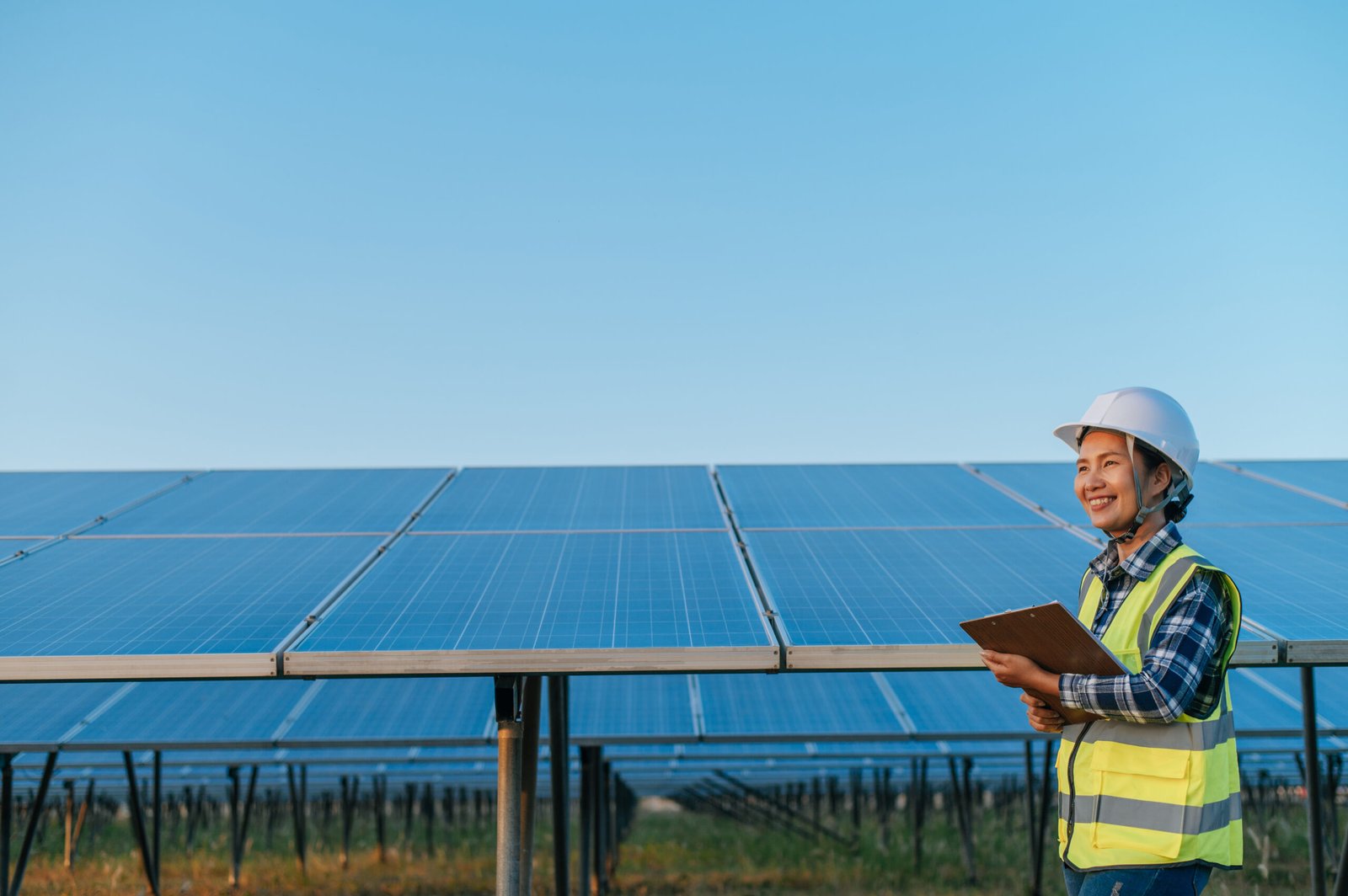
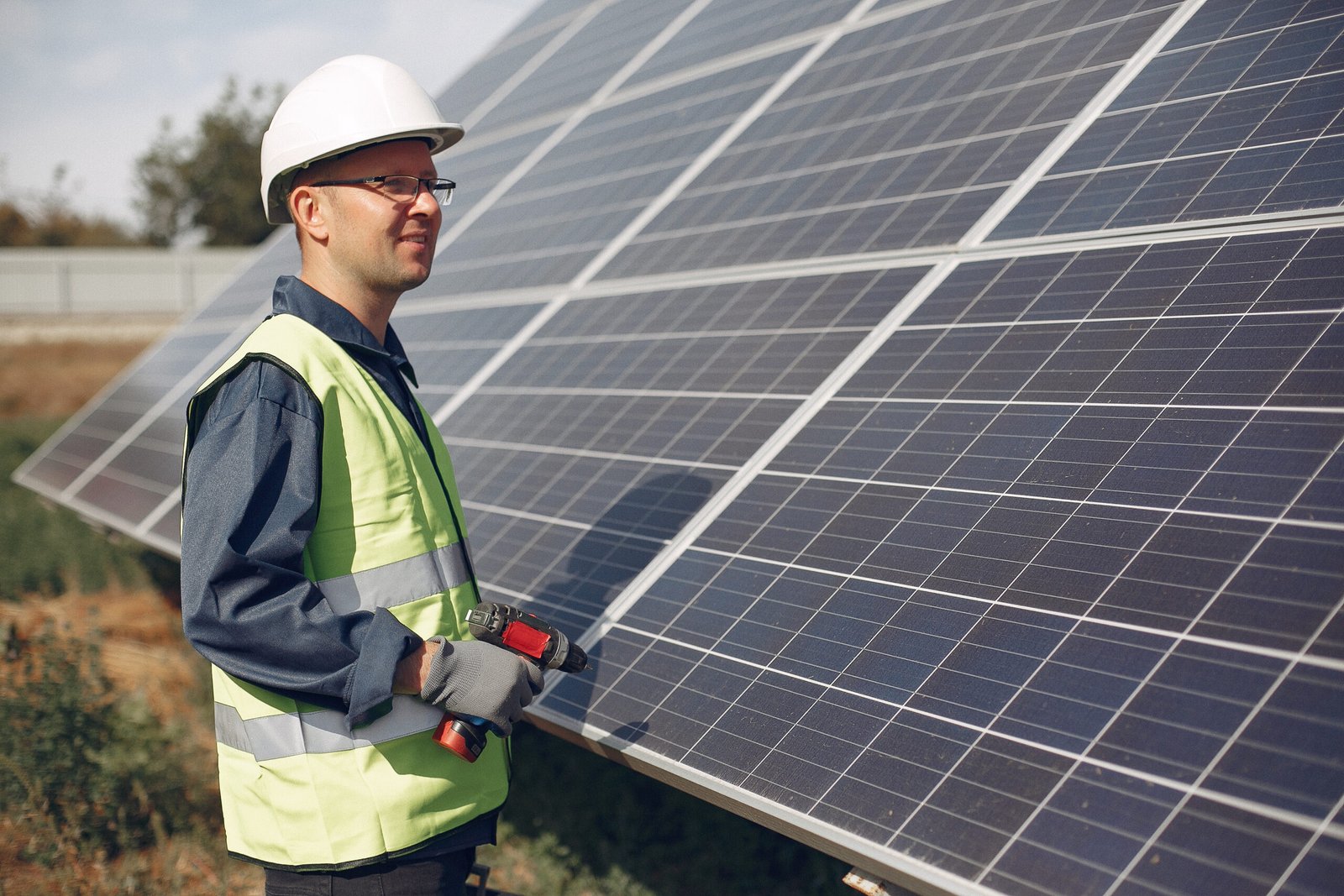
    Man worker in the firld by the solar panels

    Solar Panel Price and Sustainability Strategy

    Solar isn’t just an energy technology — it’s a sustainability engine that can boost competitiveness, lower energy costs, and accelerate climate goals. But to unlock its full value, savvy decision-makers evaluate pricing not as an isolated expense, but as part of a broader sustainability strategy that balances cost, policy support, environmental impact, and long-term returns.

    1. Solar Price as a Sustainability Investment

    Solar panel price have significantly decreased over the years due to manufacturing scaling and innovation, illustrated by Swanson’s Law, which notes a ~20% decline in PV module costs each time global shipping volumes double. In India, the cost for industrial solar installations ranges from ₹33,000 to ₹48,000 per kW, with payback periods of 2.5 to 4 years influenced by tariffs and policies. The effectiveness of these installations is enhanced through sustainability strategies that reduce lifetime operating costs, lower the levelized cost of electricity (LCOE), and shift solar from a capital expenditure to a strategic investment.

    Though the initial costs vary based on technology and scale, the long-term sustainability advantages are substantial, providing clean energy for 25 to 30 years, reducing carbon emissions, protecting against fluctuating grid tariffs, and ensuring predictable energy expenses that align with Environmental, Social, and Governance (ESG) targets. Ultimately, the most sustainable solar projects are characterized not by their low costs, but by their ability to deliver maximum energy over their lifetime with minimal environmental impact.

    2. Policy & Incentives — Lower Prices with Strategic Support

    Government policies and incentives play a crucial role in enhancing the affordability of solar energy investments by reducing upfront costs and improving financial viability. Capital subsidies and tax incentives, such as accelerated depreciation (up to 40%), significantly lower initial expenditures and improve cash flow, particularly beneficial for commercial and industrial (C&I) projects. Additionally, net metering facilitates the export of surplus solar power to the grid in exchange for bill credits, thus enhancing return on investment without additional hardware costs.

    Feed-in tariffs (FITs) offer secure long-term rates for renewable energy generation, further incentivizing investment. Although import duties on solar modules and cells may temporarily raise prices, they promote local manufacturing, supporting sustainability efforts. Overall, these policy incentives not only reduce costs for investors but also bolster confidence and decrease financing costs, thereby increasing project bankability.

    3. Sustainability Strategy — Beyond Price to Business Value

    Solar panel pricing aligns with corporate sustainability goals by significantly reducing Scope 2 emissions, aiding companies in their net-zero roadmaps and ESG commitments. For industrial users, solar not only decreases carbon intensity but also lowers energy costs, offering predictable rates between ₹2.5 and ₹3.5 per kWh, which is competitive compared to fluctuating grid tariffs. Additionally, reliance on solar energy enhances energy security by mitigating risks associated with grid outages and fuel price volatility, enabling long-term cost savings and facilitating strategic planning. Investing in sustainable solar systems can also enhance access to better financing, foster partnerships with environmentally-conscious clients, and attract ESG-focused investment, further integrating sustainability into corporate strategies.

    4. Holistic Strategy — Aligning Cost, Policy & Sustainability

    A strong sustainability strategy doesn’t treat price and sustainability as separate categories — it blends them:

    Strategic ElementImpact on Solar Price & Value
    Policy support (subsidies, net metering)Reduces net capex and improves payback
    Tax incentives (depreciation, credits)Improves cash flow and reduces effective cost
    Long-term contracts (PPA, FITs)Locks in revenue/stability
    Sustainability alignment (ESG, carbon targets)Enhances profitability and market differentiation
    Tech and quality focusReduces lifecycle cost and increases energy yield

    By weaving these together, solar investment shifts from cost centre to strategic asset.

    Common Myths About Solar Panel Price

    Investing in solar is often clouded by misconceptions about cost. Separating myth from reality is crucial for making smart, sustainable, and profitable decisions. Here’s what you need to know:

    1. Solar panels are too expensive.

    Reality: Solar prices have dropped sharply over the past decade due to technological advances, scaling, and competitive markets. With incentives, tax benefits, and net-metering, many commercial and industrial systems pay for themselves within 3–7 years, after which energy is essentially free.

    2. Cheaper panels are just as good as expensive ones.

    Reality: Not all panels are created equal. High-quality panels with better efficiency, lower degradation, and longer warranties cost more upfront but deliver more energy and value over 25+ years, reducing the effective cost per kWh. Choosing based solely on upfront price can hurt ROI.

    3. Solar only works in very sunny regions.

    Reality: Modern panels produce electricity even on cloudy days. With smart design and system optimization, solar is effective across diverse climates, ensuring predictable energy output and savings.

    4. Maintenance costs are high.

    Reality: Solar systems have no moving parts, requiring minimal maintenance — typically just periodic cleaning and inspections. Long-term warranties further reduce risk, making solar a low-maintenance, high-value energy solution.

    5. You need large rooftops or open land to install solar.

    Reality: Systems are highly scalable. Even modest rooftops, carports, or unused spaces can host solar panels, enabling energy generation in almost any facility layout.

    6. Government incentives don’t matter much.

    Reality: Subsidies, tax benefits, net-metering, and other policy incentives significantly lower upfront costs, accelerate payback periods, and improve lifetime returns. Ignoring these benefits underestimates solar’s true financial value.

    7. All panels are the same — price differences are just marketing.

    Reality: Panel efficiency, durability, degradation rate, and manufacturer credibility vary widely. Low-cost panels may degrade faster, produce less energy, and incur higher replacement or maintenance costs over time. Quality and warranty matter as much as price.

    Conclusion

    Understanding solar panel price involves more than just the initial cost per watt; it encompasses strategic planning, quality components, and long-term financial and environmental benefits. The market currently features competitive prices helped by government incentives, allowing for quicker paybacks and sustainable energy solutions. Evaluating solar investments should focus on long-term value and performance, enabling significant cost savings and reduced emissions. Ultimately, a well-planned solar purchase can yield decades of clean power and a substantial return on investment. Ready to explore how much you could save? Get a customized quote today to see how optimized solar solutions can lower your costs and elevate your energy strategy.