Monthly Archives: February 2026

13 Key Factors That Define an Efficient Solar Panel Model

Solar Panel Model

In today’s rapidly evolving energy landscape, businesses and homeowners alike are shifting toward clean, reliable, and cost-effective power sources. A Solar Panelf Model plays a critical role in determining how efficiently solar energy is captured, converted, stored, and distributed for daily use.

Understanding different solar system models is essential for selecting the right configuration that aligns with energy needs, budget, and long-term sustainability goals.

This comprehensive guide explores everything you need to know about solar panel models — their types, components, working principles, design considerations, benefits, and future innovations.

What Is a Solar Panel System Model?

A solar panel system model serves as a comprehensive blueprint for a solar power installation, detailing the configuration, connection, and management of components to convert sunlight into electricity. It encompasses various setups including on-grid, off-grid, and hybrid systems, emphasizing the arrangement of components, energy flow pathways, and performance expectations. Key components include photovoltaic panels, inverters, mounting structures, optional battery storage, charge controllers, and monitoring systems. The model outlines the process of energy generation from sunlight to usable AC power, detailing the roles of each component in efficiency and safety.

Different types of models cater to various needs: on-grid systems allow surplus energy export, off-grid systems provide independence with battery storage, and hybrid systems combine both features. Understanding these models is essential for optimizing energy generation, reducing costs, and planning for sustainability. Performance depends on factors like irradiance, panel orientation, and installation quality, emphasizing the need for precise design to minimize losses and maximize energy yield.

Core Components of a Solar Panel System

Before diving into system models, it is important to understand the primary components that make up any solar energy system.

1. Solar Panels (Photovoltaic Modules)

Solar panels are devices that convert sunlight into Direct Current (DC) electricity through photovoltaic (PV) cells. There are three main types of solar panels: monocrystalline, polycrystalline, and thin-film. Monocrystalline panels are highly efficient and possess a sleek design, while polycrystalline panels offer a more cost-effective option. Thin-film panels are characterized by their lightweight and flexible nature. As the primary energy-generating units in solar energy systems, photovoltaic modules consist of semiconductor cells that absorb sunlight and create electricity via the photovoltaic effect. The efficiency and quality of these panels significantly influence the overall energy output, with the total number and capacity of panels determining the power produced by the system.

2. Solar Inverter

The inverter plays a critical role in solar energy systems by converting Direct Current (DC) electricity generated by panels into Alternating Current (AC), which is essential for powering a wide range of appliances and machinery. There are several types of inverters: String Inverters, Microinverters, Central Inverters, and Hybrid Inverters. Often termed the “brain” of the solar system, the inverter optimizes energy conversion, safeguards the system, and in advanced models, allows for communication with the grid to enhance overall performance. Additionally, solar inverters manage voltage levels and ensure system safety, making them vital for the efficient functioning of homes, offices, and industrial equipment that rely on AC power.

3. Mounting Structure

Mounting structures are essential for securing solar panels in the optimal position and angle to enhance sunlight exposure. They provide stability against environmental elements, ensuring that panels remain fixed and effective. The primary types of mounting systems include rooftop mounting, ground mounting, and tracking systems, with tracking systems designed to automatically adjust the panel direction to follow the sun’s movement, optimizing efficiency throughout the day.

4. Solar Battery Storage

Batteries play a critical role in energy storage by collecting excess electricity produced during the day, particularly from solar sources, for usage during nighttime or grid failures. There are several types of batteries, with lithium-ion batteries being the most commonly favored due to their superior efficiency and longevity. While not necessary for all energy systems, batteries are pivotal in off-grid and certain hybrid configurations, providing energy independence and serving as backup power solutions. Battery storage systems are essential for maximizing the utilization of renewable energy, ensuring that generated energy is available when it’s most needed.

5. Charge Controller

In off-grid and hybrid systems, a charge controller plays a vital role in the management of electrical energy flow. Specifically in battery-based configurations, it regulates the voltage and current between solar panels and batteries. This regulation prevents overcharging—an occurrence that can damage batteries—and deep discharge, which can compromise battery efficiency and lifespan. By maintaining proper energy flow from the solar panels to the batteries, the charge controller not only safeguards battery health but also enhances the overall efficiency of the energy system.

6. Monitoring and Control Systems

Modern solar panel systems are equipped with monitoring tools that provide real-time tracking of energy production, system performance, and overall health. These advanced monitoring systems enable users to receive alerts regarding potential issues, thereby facilitating optimized operational efficiency. Users can access this information through digital platforms or mobile applications, enhancing their ability to manage and monitor energy generation effectively.

Types of Solar Panel Models

The selection of a solar panel model depends on electricity requirements, grid availability, and financial planning.

1. On-Grid Solar System Model

An on-grid solar system is a grid-tied model directly connected to the utility electricity grid, functioning by generating DC electricity from solar panels, which is then converted to AC via an inverter to power appliances. Excess electricity generated during sunny periods is exported back to the grid through net metering, allowing for reduced electricity bills and efficient energy use. This system does not require battery storage, resulting in lower initial costs and minimal maintenance, making it ideal for urban residential homes, commercial buildings, offices, and industries.

While advantageous due to its simplicity and cost-effectiveness, it lacks power backup during grid outages unless paired with storage solutions. Overall, this model is commonly used because of its straightforward implementation and potential savings through energy credits or net metering.

2. Off-Grid Solar System Model

The off-grid solar panel model functions autonomously, unconnected to the utility grid, and utilizes battery storage to supply electricity in the absence of sunlight. Key features of this system include complete energy independence, making it ideal for remote or rural locations such as farms, standalone sites, telecom towers, and mountain resorts. However, the installation cost is higher due to the need for batteries and careful load planning.

In terms of operation, solar panels generate electricity, which is then regulated by a charge controller, stored in batteries, and converted to AC power by an inverter for use. The primary advantages of off-grid systems encompass continuous power availability devoid of grid dependence and serving as a backup during power outages. Conversely, the limitations include elevated costs tied to battery storage and the necessity for effective load management.

3. Hybrid Solar System Model

Hybrid systems integrate on-grid and off-grid features, utilizing solar panels to supply electricity and store excess energy in batteries. They offer advantages such as energy security, cost savings, and reliable backup during outages. Ideal for commercial facilities, hospitals, data centers, and homes in areas with frequent power interruptions, these systems feature grid connectivity, efficient energy management, and the ability to participate in net metering. However, they come with higher upfront costs and a more complex design. Increasingly popular for both residential and commercial users, hybrid systems provide a balanced approach to energy reliability and savings.
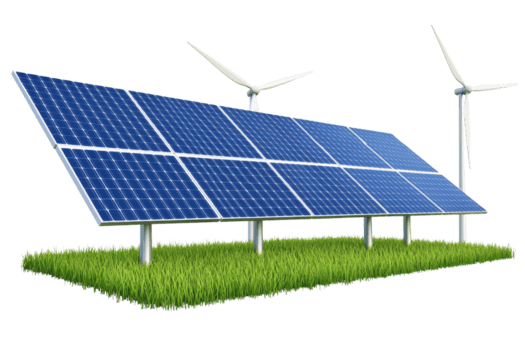
Grid-Tied vs Standalone System Models

FeatureGrid-Tied Solar Panel System ModelStandalone (Off-Grid) Solar Panel System Model
Grid ConnectionConnected to the utility gridNot connected to the utility grid
Battery RequirementNot mandatory (optional in hybrid systems)Required for energy storage
Power During OutageDoes not work during grid failure (unless hybrid with battery)Continues to supply power from batteries
Energy IndependencePartial independenceComplete energy independence
Initial InvestmentLower upfront costHigher upfront cost due to batteries
MaintenanceLow maintenanceModerate to high (battery care needed)
Best Suitable ForUrban & industrial areas with reliable grid supplyRemote locations or areas with unreliable grid
Electricity BillsReduced through net meteringEliminated (no dependency on grid)
System ComplexitySimple designMore complex design & sizing
Long-Term CostCost-effective if grid policies are favorableHigher long-term cost due to battery replacement

Designing a Solar Panel Model

Designing a solar panel model is the process of planning and engineering a solar energy system so it efficiently meets your energy needs, performs reliably, and complies with safety standards. It combines technical analysis, site assessment, component selection, and electrical planning to create a system that delivers optimal performance over its lifetime.

1. Assess Energy Needs and Site Conditions

The first step is to analyze your electricity usage to determine how much power your system must generate. This includes calculating daily energy consumption in kilowatt-hours (kWh) and considering future growth in demand (e.g., EV charging or AC loads). A detailed site assessment follows, where roof orientation, available space, shading from trees or nearby buildings, and tilt angle are evaluated. Panels facing true south (in the Northern Hemisphere) at a tilt close to the site’s latitude usually produce the most energy.

2. Estimate System Size

Based on energy consumption and solar resource at your location, engineers determine how large the solar array should be. This involves calculating the number and wattage of panels needed to meet your load, factoring in inefficiencies and real-world conditions like shading or temperature effects. Proper sizing helps avoid over- or under-designing the system.

3. Select Components

Component selection is critical to design success. Solar panels are chosen based on efficiency, temperature performance, and space constraints. Inverters must be sized to handle peak array output and chosen based on system type (string, microinverter, or hybrid). Balance-of-system (BOS) items like mounting hardware, wiring, protection devices, and optional battery storage are also specified at this stage. High-quality components improve reliability and lifetime performance.

4. Layout and Electrical Design

With panel count and components determined, the next step is layout design — arranging panels to maximize sunlight exposure while minimizing shading. Electrical design includes routing cables, sizing wires to limit losses, placing protection devices like circuit breakers and surge protectors, and planning inverter and battery connections. This phase ensures electrical safety and compliance with local codes.

5. Simulation and Optimization

Before installation, simulation tools or software are often used to model system performance, predict generation output, and refine electrical and layout decisions. This helps identify potential issues early and ensures the design will meet performance targets once installed.

6. Compliance and Permitting

Designing a solar panel model also involves ensuring the installation complies with local building codes, electrical standards, and utility interconnection requirements. Early coordination with authorities and utilities can prevent delays and costly redesigns.

7. Final Review and Documentation

The final design package includes detailed drawings, equipment specifications, a one-line electrical diagram, structural calculations for mounting, and documentation for permitting and installation. This ensures installers and inspectors clearly understand how the system should be built and operated.

Residential Solar Panel Model

A residential solar panel model is specifically engineered for household applications, tailored to match electricity consumption, roof structure, budget, and long-term energy goals. It emphasizes compact design, high efficiency, aesthetic integration, and reliable performance. The design process starts with a thorough energy assessment of the homeowner’s electricity consumption, typically determining system capacity between 1 kW and 10 kW while considering future needs.

Site evaluation is essential, involving analysis of roof orientation, tilt angle, shading, and structural strength to ensure safe installation. Core components include high-efficiency photovoltaic (PV) panels, inverters, mounting structures, and optional battery storage, with monocrystalline panels favored for their efficiency. The inverter converts DC electricity from the panels to usable AC power, while safety devices ensure compliance with electrical standards.

There are three configurations: Grid-Tied models allow for net metering, Off-Grid systems operate independently with battery storage, and Hybrid models combine both features. Battery storage using lithium-ion technology enhances functionality, storing excess energy for nighttime use.

Performance optimization includes proper panel spacing for airflow and regular maintenance, supplemented by advanced monitoring systems for real-time tracking. Financially, such systems significantly reduce electricity expenses, protect against energy tariff increases, and offer a payback period of 4 to 6 years, with a lifespan of over 25 years, making them a viable long-term investment.

In summary, a residential solar panel model provides a sustainable energy solution that ensures reliable power generation, financial benefits, energy independence, and a smaller environmental footprint for homeowners.

Commercial Solar Panel Model

A Commercial Solar Panel Model is designed to meet the significant electricity demands of various commercial entities, such as businesses, hospitals, and warehouses. It features high capacity, enhanced structural support, and efficient energy management, distinguishing it from residential systems. The model’s development begins with an energy audit to analyze electricity consumption and determine the system capacity, which can range from 10 kW to several megawatts.

Site evaluation is critical, assessing factors like rooftop strength, shading, and available space for installation. High-efficiency solar panels, such as monocrystalline or bifacial types, are typically employed, along with suitable inverters and industrial-grade components to ensure reliability and safety. There are three configurations for these systems: grid-tied, off-grid, and hybrid, offering businesses options for energy management and backup.

The electrical design prioritizes safety compliance, including proper configuration and surge protection. Financially, businesses can expect significant reductions in electricity costs with payback periods of 3 to 6 years, contributing positively to their sustainability profiles and lowering carbon emissions. Monitoring systems incorporated into modern installations facilitate performance tracking and maintenance scheduling, optimizing efficiency.

Solar Panel Efficiency and Performance Modeling

Solar Panel Efficiency and Performance Modeling is the comprehensive process of evaluating how effectively a solar panel converts sunlight into electricity and predicting how an entire solar panel model will perform under real-world operating conditions. While efficiency focuses on the panel’s technical ability to convert solar energy, performance modeling analyzes how the complete system behaves over time, considering environmental factors, system losses, and long-term degradation.

Understanding Solar Panel Efficiency

Solar panel efficiency indicates the proportion of sunlight that a photovoltaic (PV) panel converts to electrical energy, measured under Standard Test Conditions (STC) at 1000 W/m² solar irradiance and a temperature of 25°C. For instance, a panel with 20% efficiency converts 20% of sunlight, while the remainder is lost as heat or reflection. Several factors influence this efficiency:

  1. Panel Technology: Monocrystalline panels generally achieve higher efficiencies compared to polycrystalline panels, with advanced options like bifacial modules offering enhanced output.
  2. Temperature Coefficient: Elevated temperatures can decrease performance; a lower temperature coefficient suggests better operation in hotter environments.
  3. Manufacturing Quality: Factors such as cell design, material purity, and anti-reflective coatings play crucial roles in conversion efficiency.
  4. Panel Degradation Rate: Most panels experience a degradation rate of about 0.5% annually, which affects long-term efficiency.

High-efficiency panels are particularly advantageous in space-constrained installations, as they produce more power per square meter.

What Is Performance Modeling?

Performance modeling of solar panels assesses their energy generation under real-world conditions, considering variables such as solar irradiance, system capacity, temperature variations, shading effects, and system losses. Key metrics include the Performance Ratio (PR), energy yield, capacity factor, and degradation rate, which help evaluate and compare system performance across different locations. Environmental factors like temperature, cloud cover, and dust significantly impact real-world performance. Integrating performance modeling with efficiency analysis is crucial for accurate system sizing, financial forecasting, and minimizing investment risks. Smart monitoring systems play a pivotal role in ensuring optimal operational efficiency throughout the lifespan of solar installations.
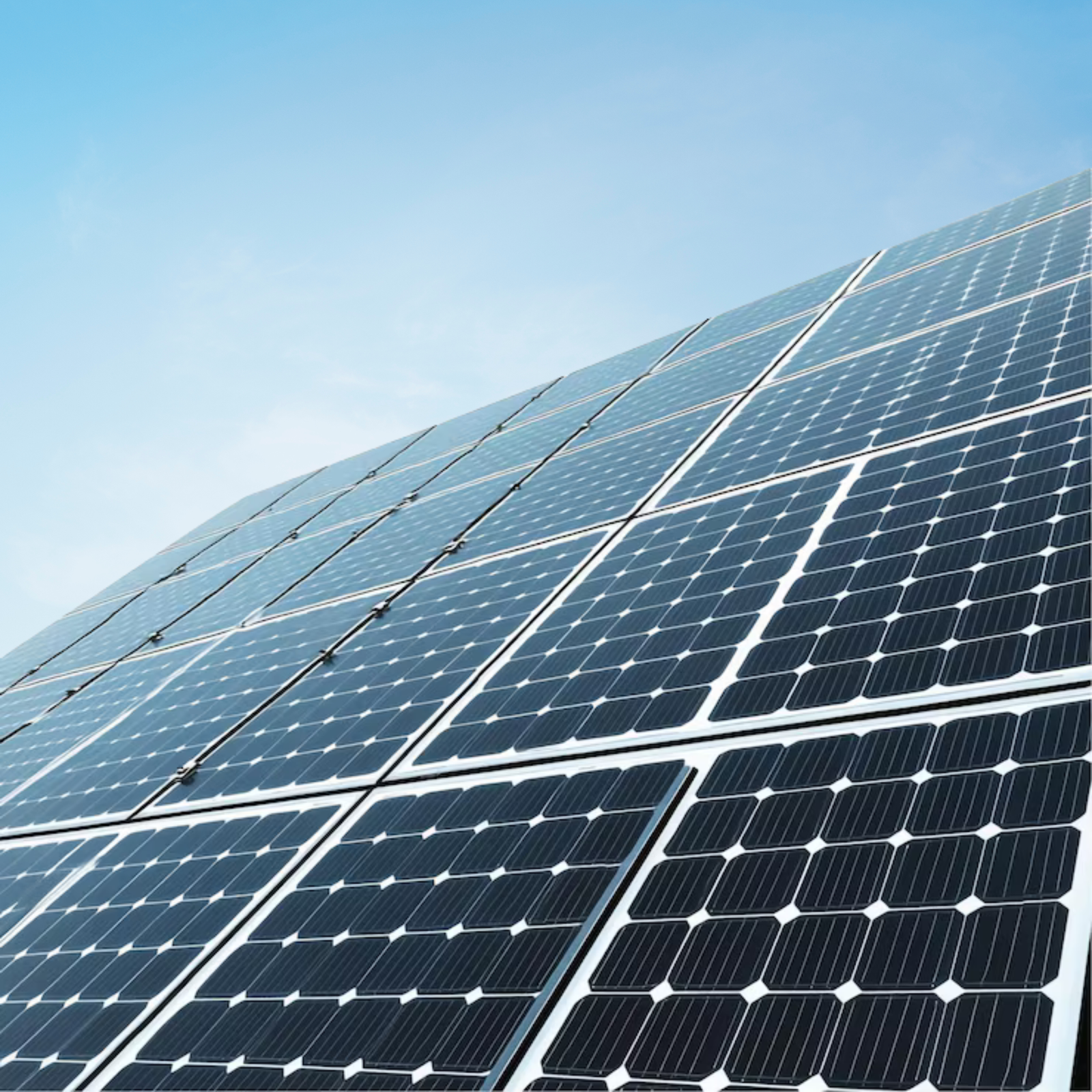
Monitoring and Smart Solar Models

1. Real-Time Performance Tracking

Real-time performance tracking is one of the strongest advantages of a smart solar panel model, as it allows users to continuously monitor system output instead of depending only on monthly electricity bills. With advanced monitoring tools integrated into the solar panel model, users can instantly view current electricity generation, peak production hours, energy exported to the grid, and battery charging or discharging status when storage is included. This constant visibility ensures that the solar panel model operates at maximum efficiency. By analyzing live performance data, system owners can quickly verify whether the solar panel model is delivering optimal output and meeting expected energy targets.

2. Fault Detection and Instant Alerts

A smart solar panel model is designed with intelligent fault detection capabilities that identify performance issues before they become major problems. These systems can detect sudden drops in energy generation, inverter failures, overheating panels, loose electrical connections, or shading disruptions. When irregularities are identified, the solar panel model automatically sends alerts through mobile apps, SMS, or email notifications. This proactive response minimizes downtime and protects the solar panel model from prolonged inefficiencies. As a result, system reliability improves, and long-term energy losses are significantly reduced.

3. Module-Level Monitoring and Optimization

Advanced solar panel model configurations often include microinverters or power optimizers that enable panel-level monitoring. This means each panel within the solar panel model can be tracked individually for voltage, output, and efficiency. Such detailed monitoring helps identify underperforming modules, reduce the impact of partial shading, and improve overall system productivity. By allowing independent operation of each panel, the solar panel model prevents one weak unit from affecting the performance of the entire array. This higher level of optimization ensures greater energy yield and better overall system efficiency.

4. Data Analytics and Predictive Maintenance

Modern solar panel model systems utilize historical performance data and intelligent analytics to improve long-term results. Predictive maintenance tools analyze trends to detect gradual efficiency declines and anticipate potential failures. Through this approach, the solar panel model can schedule cleaning based on performance drops, forecast inverter replacement needs, and estimate long-term degradation patterns. By applying data-driven decision-making, the solar panel model maintains higher performance standards and extends its operational lifespan. This not only enhances reliability but also protects the overall investment value of the system.

5. Integration with Battery Storage and Smart Grids

A contemporary solar panel model is built to integrate seamlessly with Battery Energy Storage Systems (BESS), Energy Management Systems (EMS), smart meters, and grid-interactive technologies. This integration allows the solar panel model to store excess energy generated during daylight hours and utilize it during peak tariff periods. By intelligently managing energy flow, the solar panel model reduces electricity costs and maximizes financial returns. The ability to coordinate with smart grids further enhances efficiency, making the solar panel model a flexible and economically optimized energy solution.

6. Remote Management and Multi-Site Control

For commercial and industrial applications, a smart solar panel model provides centralized remote management capabilities. Operators can oversee multiple solar panel model installations through a single dashboard, making it easier to monitor performance across various sites. Remote configuration adjustments, firmware updates, and comparative performance analysis allow for streamlined operations. This centralized control ensures that each solar panel model within a multi-site network maintains optimal performance, contributing to higher operational efficiency and improved energy output across all installations.

Future Innovations in Solar Panel Models

The future of renewable energy is being shaped by continuous advancements in technology, materials, and digital intelligence. Future Innovations in Solar Panel Models are transforming the traditional solar panel model from a basic electricity-generating unit into a highly efficient, intelligent, and integrated energy solution. As global demand for clean energy rises, every next-generation solar panel model is being designed to deliver higher efficiency, improved durability, smarter management, and seamless energy integration.

1. Ultra-High Efficiency Cell Technologies

One of the key advancements in the solar panel model industry is the development of sophisticated photovoltaic cell technologies. Innovations such as Tunnel Oxide Passivated Contact (TOPCon), Heterojunction Technology (HJT), perovskite cells, and tandem solar cells are exceeding the efficiency limitations of conventional silicon. A proposed solar panel utilizing tandem cell architecture can merge silicon with perovskite layers to harness a wider spectrum of sunlight. This design significantly increases electricity generation from a given area, enhancing the power and space efficiency of installations. Consequently, higher efficiency decreases the number of panels needed for the same electrical output, thereby lowering installation costs and optimizing rooftop space use.

2. Bifacial and Multi-Junction Designs

Another significant advancement in solar panel technology is bifacial technology, which enables panels to capture sunlight from both the front and rear surfaces. This dual-surface capability can lead to an increase in total energy yield, with ground-mounted systems that utilize reflective surfaces achieving 10–20% more energy generation compared to traditional monofacial panels. Additionally, multi-junction solar cells are under development to enhance the absorption of various wavelengths of sunlight. These innovative designs improve overall performance and allow solar panels to function more efficiently in diverse light conditions.

3. AI-Powered Smart Solar Panel Model

Artificial Intelligence (AI) and machine learning are increasingly vital to future solar panel designs. AI systems analyze real-time weather data, energy usage patterns, and performance metrics for automatic optimization of power generation. Key functions of a smart solar panel model include predicting daily energy production, detecting micro-faults before performance decreases, automatically adjusting inverter settings, optimizing battery charging cycles, and enhancing overall system performance. This intelligent automation enables continuous peak efficiency operation and reduces maintenance costs.

4. Advanced Energy Storage Integration

Future solar panel systems will incorporate advanced energy storage technologies such as lithium-ion, solid-state, and flow batteries, offering increased capacity, longevity, and safety. This integration will enable solar panels to store surplus energy generated during the day, which can then be utilized during periods of high demand or power outages. Such advancements will promote energy independence, enhance grid stability, and allow users—whether residential, commercial, or industrial—to achieve greater financial savings.

5. Building-Integrated Photovoltaics (BIPV)

The future of solar technology is evolving beyond traditional panels, with Building-Integrated Photovoltaics (BIPV) set to transform architectural design. This innovation involves incorporating solar technology directly into building materials, such as solar glass windows, solar roof tiles, solar facades, and transparent solar panels. By doing so, structures can generate energy while preserving their aesthetic appeal. The integration of solar panels within construction elements eliminates the need for separate mounting systems and provides greater design flexibility, marking a significant advancement in sustainable building practices.

6. Flexible and Lightweight Solar Panel Model

Advancements in thin-film technology are paving the way for the creation of lightweight and flexible solar panel designs. These innovative panels can be installed on various curved surfaces, including vehicles, portable devices, and temporary structures. Flexible solar panel solutions will significantly enhance the adoption of solar energy in transportation, mobile infrastructure, and off-grid applications, thereby increasing the accessibility and versatility of solar energy usage.

7. Self-Cleaning and Self-Healing Surfaces

Nanotechnology and advanced coatings are set to improve the durability of solar panels, incorporating features like self-cleaning coatings that repel dust, anti-reflective surfaces to enhance light absorption, and self-healing materials that can repair minor micro-cracks. These innovations are designed to sustain high performance in challenging environments while minimizing maintenance needs.

8. Improved Durability and Climate Resistance

The next-generation solar panel model is designed to endure extreme weather conditions, including high winds, heavy snow, intense heat, and humidity. Utilizing enhanced encapsulation materials and corrosion-resistant frames, these solar panels will have a lifespan exceeding 25–30 years, providing long-term reliability.

9. Smart Grid and Blockchain Integration

Future solar panel systems are set to engage with smart grids and decentralized energy networks. They may utilize blockchain technology for energy trading, enabling users to sell surplus electricity directly to nearby consumers or businesses. This evolution turns solar panels into interactive energy assets that can participate in peer-to-peer energy markets and adapt to dynamic pricing structures.

10. Sustainable Manufacturing and Recycling

Sustainability is a crucial focus in the development of solar panel technology. Key innovations include minimizing carbon emissions in the manufacturing phase, utilizing recyclable materials, enhancing recycling processes at the end of the panel’s life, and reducing dependence on rare metals. This commitment to sustainability not only promotes environmental accountability but also aligns with worldwide objectives for clean energy.
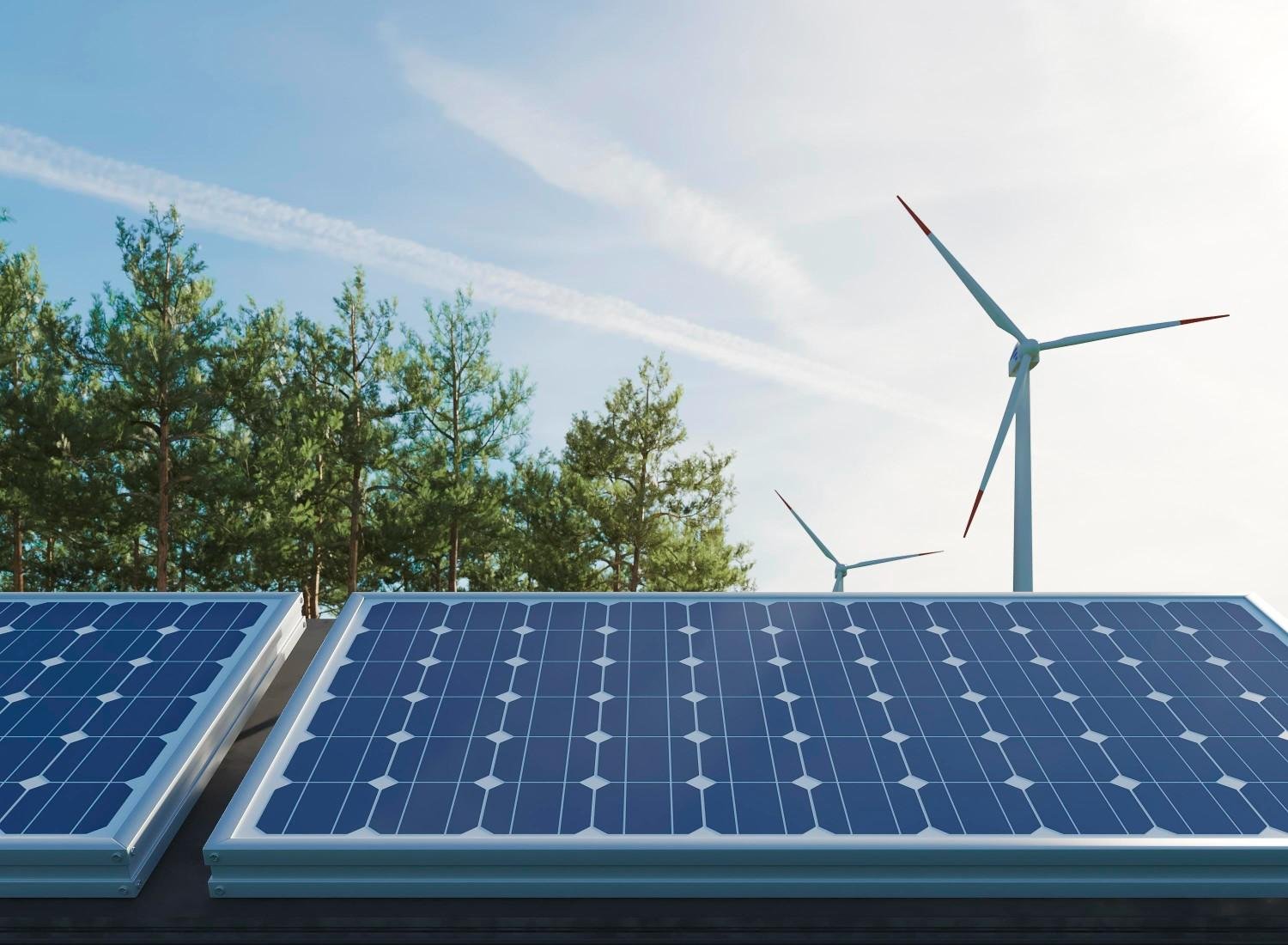
Cost Structure of Solar Panel Models

Understanding the Cost Structure of Solar Panel Models is essential for making informed investment decisions and accurately evaluating long-term returns. The total cost of a solar panel model is not limited to the photovoltaic modules alone; it includes multiple technical, structural, electrical, and service-related components that together determine the final project investment. A well-designed solar panel model balances upfront capital expenditure with long-term operational savings, efficiency, and durability.

The cost structure can be divided into several major categories:

1. Solar Modules (Panels): The solar modules serve as the fundamental element of solar panel systems and generally constitute the largest portion of total costs. The pricing of these panels is influenced by several factors, including the type of technology used (such as Monocrystalline, Polycrystalline, TOPCon, HJT, or bifacial), efficiency ratings, the quality and standards of the manufacturing brand, and the warranty duration, which typically spans 25 to 30 years. Notably, although high-efficiency solar panels may have a higher upfront cost per watt, they require fewer panels to generate the same output, enhancing space efficiency and overall system value.

2. Inverter System: The inverter plays a crucial role in converting the direct current (DC) from solar panels into alternating current (AC), which is essential for residential or commercial use. The costs of inverters depend on several factors, including the type (string, micro, or central inverter), compatibility with hybrid batteries, system capacity (measured in kW), and the presence of monitoring and smart features. Choosing the appropriate inverter is vital for enhancing the performance and reliability of the solar panel system.

3. Mounting Structure and Mechanical Components: Mounting structures are essential for securing solar panel models to rooftops or ground installations. The costs associated with these structures vary based on several factors, including the type of roof (e.g., RCC, metal, tile), whether the installation is ground-mounted or on a rooftop, wind load requirements, and the use of corrosion-resistant materials such as galvanized steel or aluminum. A durable mounting system is crucial for ensuring long-term structural stability and protection of the solar panel models from environmental stress.

4. Balance of System (BOS): The Balance of System (BOS) encompasses all necessary electrical and safety components needed for the safe and efficient operation of a solar panel model. Key components include DC and AC cables, combiner boxes, junction boxes, earthing systems, surge protection devices, circuit breakers, and isolators. Despite frequently being disregarded, BOS components are vital for maintaining system safety and enhancing overall performance.

5. Installation and Labor Costs: Professional installation plays a crucial role in the total cost of solar panel systems, encompassing several labor charges. These include site inspections and load assessments, engineering design, structural mounting, electrical wiring and connections, as well as testing and commissioning. In cases of complex installations, particularly in commercial or industrial settings, there may be a need for additional structural reinforcements and the involvement of specialized technicians, which further elevates the costs associated with the project.

6. Engineering, Permitting, and Compliance: For commercial and large-scale solar panel installations, soft costs encompass several key components including detailed engineering design, government approvals and permits, grid interconnection fees, and inspection and certification charges. The variation of these costs is influenced by regional differences and regulatory frameworks, yet they are critical for ensuring the legal and safe operation of solar systems.

7. Monitoring and Smart System Integration: Modern solar panel systems now frequently include sophisticated monitoring platforms, IoT sensors, and performance analytics software. Although these enhancements increase the initial cost, they significantly boost operational efficiency by allowing for early fault detection and decreasing long-term maintenance expenses. Furthermore, smart integration improves the visibility of the solar panel model’s performance, ultimately maximizing energy yield.

8. Battery Storage: Incorporating energy storage into a solar panel model raises initial costs, primarily influenced by factors such as storage capacity (measured in kWh), type of battery chemistry (including options like lithium-ion and solid-state), and considerations regarding lifecycle and warranty. Despite the higher capital expenses associated with battery systems, they offer significant benefits such as enhanced energy independence, improved management of peak load, and increased resilience of the overall energy system.

9. Operation and Maintenance (O&M) Costs: Over a lifespan of 25 to 30 years, solar panel models necessitate several maintenance activities, including panel cleaning, performance inspections, inverter servicing, and minor component replacements. While operations and maintenance (O&M) costs are generally lower than those for conventional power systems, they should still be considered in lifetime cost assessments.

10. Replacement and Degradation Considerations: Solar panels gradually lose efficiency, typically around 0.5% per year. Additionally, inverters may need replacement after 8–12 years. Factoring in degradation rates and component replacement ensures accurate financial modeling for a solar panel model over its operational life.

Government Policies and Incentives

Government policies and incentives play a transformative role in accelerating the adoption of a solar panel model across residential, commercial, and industrial sectors. As nations shift toward renewable energy to meet climate commitments and reduce dependence on fossil fuels, supportive regulations and financial mechanisms make investing in a solar panel model more accessible and economically viable.

A well-designed policy ecosystem reduces upfront capital costs, ensures stable returns, promotes domestic manufacturing, and strengthens grid integration. Below is a comprehensive and combined overview of Government Policies and Incentives of solar panel model adoption in detail.

1. Capital Subsidies and Direct Financial Assistance

One of the primary motivations for adopting solar panel systems is the availability of direct capital subsidies aimed at lowering initial installation expenses. In India, the Ministry of New and Renewable Energy (MNRE) facilitates the Central Financial Assistance (CFA) under national rooftop solar initiatives. Residential consumers can benefit from various subsidies, including: up to 40% for systems up to 3 kW, 20% for systems between 3 kW and 10 kW, and special incentives for certain states. Additionally, the Pradhan Mantri Surya Ghar Muft Bijli Yojana further promotes rooftop solar adoption by providing significant financial aid and offering free electricity benefits to households. These subsidies notably decrease payback periods, enhancing the affordability of solar panel systems for homeowners.

2. Net Metering Policies

Net metering is an essential regulatory framework that boosts the economic feasibility of solar panel systems by allowing users to export excess electricity generated back to the grid. Consumers benefit by receiving energy credits for surplus power produced, which subsequently reduce their electricity bills in future billing periods. This system ensures that no solar energy is wasted and transforms the grid into a form of virtual storage. For commercial and industrial users, net metering significantly enhances return on investment and optimizes system utilization.

3. Feed-in Tariffs (FiT) and Gross Metering

Some regions utilize Feed-in Tariff or gross metering policies, where all electricity generated by solar panels is sold to the grid at a predetermined tariff rate. Consumers acquire electricity separately for their own consumption. This system ensures a stable income, rendering large-scale solar panel installations financially viable and appealing to investors.

4. Tax Benefits and Accelerated Depreciation

Tax incentives provide significant advantages for commercial and industrial investors implementing a solar panel model. Key benefits include:

  1. Accelerated Depreciation: Businesses can depreciate a large percentage of their solar assets in the initial year, leading to reduced taxable income and enhanced cash flow.
  2. Reduced GST: Solar equipment typically qualifies for lower Goods and Services Tax (GST) rates, which decreases the overall capital expense of adopting solar technology.
  3. Income Tax Credits and Rebates: In various regions, portions of the solar investment can be deducted from income tax obligations, thereby increasing financial returns for investors.

5. Renewable Energy Certificates (RECs)

Solar panel model owners have the opportunity to earn Renewable Energy Certificates (RECs) for the clean electricity they produce. These certificates can be traded in renewable energy markets, providing an extra source of income. The system of RECs serves to motivate industries and utilities to fulfill Renewable Purchase Obligations (RPO), which in turn boosts the demand for solar panel installations.

6. Production Linked Incentive (PLI) for Manufacturing

Governments are implementing Production Linked Incentive schemes to enhance domestic solar manufacturing. These programs aim to encourage the local production of solar cells and modules, decrease reliance on imports, improve technological standards, and reduce the costs of solar panel models over time. Such initiatives are designed to ensure the long-term sustainability of the industry and maintain price competitiveness.

7. Low-Interest Loans and Solar Financing

Financial institutions, in collaboration with government programs, provide various financing mechanisms to promote the adoption of solar panel models. These include subsidized interest rates, flexible EMI repayment options, and zero or low down payment schemes. Additionally, solar projects can benefit from priority sector lending status. Such initiatives help reduce entry barriers, facilitating greater access for households and businesses to solar energy solutions.

8. Renewable Purchase Obligations (RPO)

RPO (Renewable Purchase Obligation) policies mandate that large electricity consumers and utilities procure a specific percentage of their power from renewable energy sources. This regulatory framework is driving an increased demand for solar installations and facilitating a more rapid deployment of the solar panel model across various industrial sectors.

9. Smart Grid and Energy Storage Incentives

Modern energy policies advocate for the integration of solar panel systems with Battery Energy Storage Systems (BESS), smart meters, and energy management systems. These hybrid systems are supported by incentives aimed at increasing grid reliability and promoting energy independence, ultimately maximizing self-consumption of generated energy.

10. Simplified Approval and Digital Portals

Governments are implementing various reforms to simplify procedures for adopting solar panel models. These reforms include the introduction of single-window clearance systems, launching digital subsidy tracking portals, standardizing interconnection norms, and streamlining application processes. Such initiatives aim to reduce administrative delays and enhance the overall ease of adoption for solar technologies.

Why Choosing the Right Solar Panel Model Matters

Selecting the right solar panel model is essential for achieving maximum energy generation, long-term reliability, and better financial returns. The solar panel model you choose directly impacts system performance, efficiency, maintenance needs, and overall investment value.

Key Reasons:

  1. Higher Energy Efficiency
    A high-quality solar panel model converts more sunlight into electricity, helping you generate more power even with limited rooftop space.
  2. Better Long-Term Performance
    Premium solar panel model options have lower annual degradation rates, ensuring stable power output for 25–30 years.
  3. Climate Compatibility
    The right solar panel model performs efficiently in specific environmental conditions such as high temperatures, dust, humidity, or coastal areas.
  4. Improved Return on Investment (ROI)
    Although some models may cost more initially, a high-performance solar panel model produces greater lifetime energy, reducing payback time and increasing savings.
  5. Stronger Warranty and Reliability
    A reliable solar panel model includes long product and performance warranties, protecting your investment from defects and performance loss.
  6. System Compatibility and Optimization
    The correct solar panel model works seamlessly with inverters, batteries, and monitoring systems, ensuring balanced and efficient system operation.
  7. Lower Maintenance Costs
    Durable solar panel model designs reduce risks such as micro-cracks, hot spots, and performance drops, minimizing long-term maintenance expenses.

Conclusion

Choosing the right solar panel model is the foundation of a successful and future-ready solar investment. From efficiency and durability to financial returns and long-term performance, every factor depends on selecting a solar panel model that matches your energy needs, site conditions, and budget. A well-chosen solar panel model not only maximizes electricity generation but also reduces maintenance costs, shortens payback periods, and ensures reliable performance for decades.

In today’s rapidly evolving solar industry, making an informed decision is more important than ever. The right solar panel model transforms solar power from a simple installation into a long-term strategic asset that delivers consistent savings and sustainability benefits.

Ready to Choose the Best Solar Panel Model? If you’re planning to invest in solar, let our experts help you select the most efficient and cost-effective solar panel model for your project. Contact us today for a customized consultation and take the first step toward smarter, cleaner, and more profitable energy solutions.
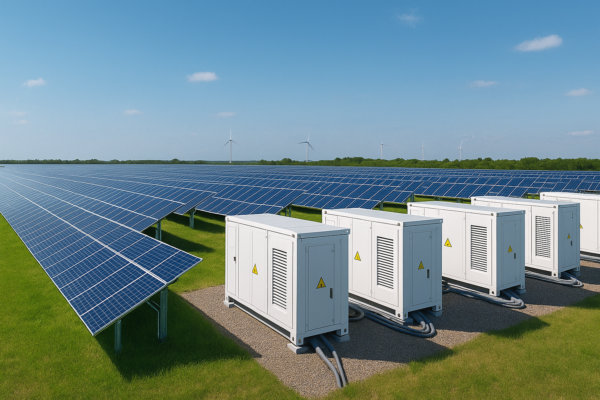
12 Future-Ready Approach: Battery Energy Storage System Solar for Sustainable Growth

Battery Energy Storage System

The global energy transition has entered a decisive phase. Solar power is no longer just an alternative energy source — it is rapidly becoming the primary electricity supply for industries worldwide. Yet, one critical question continues to shape boardroom discussions:

How do we make solar power reliable, dispatchable, and aligned with industrial demand cycles?

The answer lies in the integration of a Battery Energy Storage System (BESS) with solar.

For large manufacturing units, commercial complexes, and energy-intensive facilities, a Battery Energy Storage System Solar solution is not merely an upgrade — it is a strategic infrastructure investment that strengthens cost control, resilience, and sustainability performance simultaneously.

This comprehensive guide explores everything decision-makers need to know about solar + battery energy storage systems in 2025–2026 — from technology and economics to implementation strategy and long-term business value.

Understanding Battery Energy Storage System Solar (BESS + Solar)

At its core, Battery Energy Storage System Solar (BESS + Solar) refers to the integration of a solar photovoltaic (PV) power plant with an advanced battery energy storage system — creating an energy solution that’s clean, reliable, and controllable. Instead of solar power being limited to the hours when the sun shines, a BESS stores surplus energy and delivers it on demand, smoothing out generation variability and enabling strategic energy use.

This hybrid approach transforms solar from a purely intermittent resource into a dispatchable, resilient power source that can meet industrial demand reliably and economically.

1. How Solar and Battery Energy Storage System Work Together

The document discusses the process of solar power generation and energy management systems. Solar photovoltaic (PV) panels convert sunlight into direct current (DC) electricity, which can be utilized immediately or stored for later use. When production exceeds immediate consumption, a Battery Energy Storage System (BESS) captures the surplus energy, equipped with a Battery Management System (BMS) that oversees essential parameters such as voltage, temperature, and state-of-charge to maintain safety and prolong battery life.

In situations where solar output decreases—such as nighttime, periods of high demand, or grid stress—the stored energy is discharged to meet energy loads. The integration of Intelligent Energy Management Systems (EMS) plays a crucial role in optimizing the discharge process, effectively balancing cost, demand, and performance. This cycle of charging, storing, and discharging significantly enhances the efficiency of solar energy utilization, surpassing what solar power alone can achieve.

2. Why BESS + Solar Matters

The document highlights the limitations of solar energy in providing continuous power due to its intermittent nature, as panels only generate electricity when sunlight is available. It proposes integrating a Battery Energy Storage System (BESS) as a solution, yielding several benefits:

  1. Reliable 24/7 Power Supply: Battery Energy Storage Systems stores excess solar energy generated during the day and delivers it during periods when solar output declines, ensuring a consistent electricity supply.
  2. Enhanced Grid Stability: The system helps stabilize the grid by smoothing out the fluctuations in solar energy production, acting as a buffer against potential destabilization.
  3. Optimized Self-Consumption: Instead of sending surplus energy back to the grid at low tariffs, businesses can store this energy for internal use, leading to reduced energy bills and enhanced energy self-sufficiency.
  4. Energy Cost Savings: By charging batteries during times of high solar generation or low grid costs and discharging during peak pricing periods, companies can lower their overall energy expenses significantly.
  5. Backup and Resilience: Battery Energy Storage System provides uninterrupted power during grid outages, thereby safeguarding critical operations and minimizing downtime.

3. Core Components Explained

A typical solar plus Battery Energy Storage System (BESS) configuration consists of several key components:

  1. Solar PV Arrays: These convert sunlight into electricity.
  2. Batteries and Battery Management System (BMS): They are used to store excess energy and monitor performance, ensuring safety, reliability, and lifecycle optimization.
  3. Inverters: These convert direct current (DC) electricity generated from solar panels and batteries into alternating current (AC) electricity, which is required for industrial equipment and for feeding power into the grid.
  4. Energy Management System (EMS): This intelligent system makes real-time decisions regarding when to charge or discharge the battery, based on factors such as demand, tariffs, and generation forecasts.
  5. Safety and Protection Systems: These systems ensure adherence to grid codes, maintain power quality standards, and uphold operational safety.

4. What BESS + Solar Solves in Practice

Stand-alone solar systems face challenges related to intermittent energy production, impacting both economic and operational aspects of the industry. Battery Energy Storage Systems (BESS) mitigate these issues through several mechanisms:

  1. Intermittent Production Smoothing: Battery Energy Storage Systems stores excess solar energy produced during favorable conditions and discharges it when solar output is low, thereby stabilizing energy production.
  2. Curtailment Elimination: Battery Energy Storage System allows solar projects to capture and utilize energy that would otherwise be wasted due to grid constraints or export limits, ensuring more efficient energy use.
  3. Peak Load Shaving: By providing stored energy during periods of high demand, Battery Energy Storage Systems helps reduce peak power requirements, resulting in lower demand charges and more stable utility costs.
  4. Improved Economic Predictability: The integration of battery storage leads to a more reliable energy supply profile, minimizing financial risks for investors and increasing the bankability of solar projects.

5. Strategic Benefits for Industrial Users

Combining solar energy with a Battery Energy Storage System (BESS) is a strategic business decision for manufacturing and commercial operations, offering multiple advantages:

  1. Energy Cost Optimization: This system allows businesses to reduce reliance on expensive grid power and enhances the use of renewable energy.
  2. Operational Resilience: Stored energy ensures continuous operation of production lines, even during power outages.
  3. Grid Interaction and Ancillary Services: Large Battery Energy Storage Systems installations can engage in demand response and contribute to grid stabilization, thereby creating additional revenue opportunities.
  4. Sustainability and Emission Reduction: By increasing reliance on clean solar energy instead of fossil fuels, businesses can lower their carbon footprint and improve Environmental, Social, and Governance (ESG) performance.

6. Real-World Context and Global Trends

Large solar and battery energy storage systems (BESS) are rapidly becoming integral to modern energy infrastructures. Utility-scale solar projects, equipped with hundreds of megawatt-hours of battery storage, are being established in energy hubs to extend power delivery beyond daylight hours while enhancing grid reliability. Additionally, urban power infrastructure is increasingly incorporating substantial Battery Energy Storage Systems solutions to efficiently manage peak load and facilitate the integration of renewable energy sources, exemplified by significant projects like the 20 MW BESS installation in Delhi, South Asia. These developments illustrate the transition of Battery Energy Storage Systems combined with solar technologies from initial pilot programs to essential components of contemporary energy systems.

Why Solar Alone Is Not Enough for Industrial Loads

As industries scale up renewable energy adoption, solar power remains a leading choice for clean electricity generation. But in real-world industrial settings, solar on its own fails to meet the full spectrum of energy needs — especially when reliability, peak demand, cost optimization, and resilience matter most. That’s where Battery Energy Storage System Solar (BESS + Solar) becomes a strategic necessity.

1. Solar Is Intermittent — and Industrial Loads Are Not

Solar photovoltaic (PV) systems are limited by their ability to generate electricity only during sunlight hours, typically peaking at midday and ceasing production at night. This limitation poses challenges for industrial facilities requiring continuous power for production lines, heavy machinery, HVAC systems, and other critical processes. In the absence of energy storage solutions, solar energy systems can produce excess electricity during periods of low demand, create shortages during peak demand, and necessitate reliance on grid power or backup generators. Battery Energy Storage Systems (BESS) address these issues by capturing surplus solar energy and providing it during periods of high demand, thereby transforming intermittent solar energy generation into reliable, dispatchable power.

2. Solar Generation and Demand Timing Often Don’t Match

Industrial energy demand typically peaks in the mornings and evenings, which does not align with solar generation, primarily occurring at midday. This misalignment leads to challenges: excess energy produced by solar plants may be wasted or sold back to the grid at low tariffs, while facilities still rely on expensive grid power during peak demand. By integrating Battery Energy Storage Systems (BESS) with solar, industries can store energy generated during midday and use it during high-demand periods. This approach enables reduction in peak utility charges and decreases dependence on the grid, thus optimizing energy costs—an essential factor in industrial operations where energy expenses account for a significant portion of overall costs.

3. Solar Alone Cannot Provide Reliable Backup Power

Most grid-tied solar systems are designed to shut down during grid outages to ensure safety, which prevents them from serving as backup power sources, despite generating electricity. In contrast, a Battery Energy Storage System (BESS) solar system has the capability to maintain critical loads during outages, providing seamless continuity of operations and reducing reliance on fossil-fuel generators. This reliability is particularly crucial in industries such as manufacturing, cold storage, data centers, and logistics, where downtime can lead to significant financial losses.

4. Solar Alone Can Lead to Curtailment and Energy Waste

When a solar plant produces more power than can be utilized by the facility or grid, the surplus often faces curtailment or is exported at minimal compensation rates, particularly during midday peak production. The integration of a Battery Energy Storage System (BESS) addresses this issue by allowing excess solar energy to be stored instead of wasted. This enhances self-consumption, improves overall system efficiency, and increases return on investment (ROI). The ability to directly connect power generation with its utilization is a significant economic advantage of Battery Energy Storage Systems.

5. Solar Alone Offers Limited Cost Optimization

Solar energy helps reduce grid consumption; however, it does not address the timing of energy usage, which affects industrial energy bills through demand charges linked to peak power usage. Since solar output may not align with peak demand periods, merely implementing solar solutions is insufficient. With energy storage, midday solar production can be shifted to match peak tariff hours, allowing for a reduction in peak demand charges and enabling more cost-effective energy use. This flexibility empowers industrial users to optimize their energy consumption and cost structures, achieving what solar energy alone cannot provide.

6. Grid and Regulatory Realities Favor Solar + Storage

In contemporary energy markets, utilities and regulators are recognizing the critical importance of energy storage for maintaining grid stability. The lack of storage in the presence of excessive solar output can lead to problems such as voltage fluctuations and grid congestion. To address these issues, some regions are now requiring the installation of energy storage systems in conjunction with solar power capacity, ensuring both stability and reliability of the grid. This shift highlights the changing perception of storage, which is now seen not merely as a backup solution but as a fundamental component of grid-interactive renewable energy systems.

7. Solar + Battery Energy Storage System Improves Sustainability Outcomes

From a sustainability perspective, relying solely on solar energy generation necessitates backup from fossil plants to satisfy demand during evening and night hours, which diminishes the overall emissions impact. The incorporation of battery storage helps transition the use of clean energy to these periods, thereby decreasing dependence on fossil fuel generation and improving the actual carbon reduction benefits associated with solar energy adoption.

Machinery with advanced control panel, buttons and switches in futuristic warehouse. Computerized equipment unit with green led lights in high tech factory used for operational tasks, 3D render

Strategic Advantages of Battery Energy Storage System Solar for Manufacturing

Modern manufacturing depends on reliable, affordable, and sustainable energy. Rising electricity costs, peak demand penalties, and increasing pressure to reduce carbon emissions are pushing industries to rethink how they manage power. One of the most effective solutions is the integration of solar power with a Battery Energy Storage System (BESS).

1. Peak Demand Reduction

Industrial electricity tariffs frequently incorporate demand charges based on the highest power consumption within a billing cycle, leading to significant cost increases for manufacturing facilities, particularly during moments of high energy use such as the activation of heavy machinery or simultaneous operation of multiple production lines. Solar energy systems combined with battery energy storage systems (BESS) provide a strategic solution to mitigate these costs.

The operational process involves solar panels generating electricity during daylight hours, excess energy being stored in batteries, and during peak demand periods, the batteries discharging stored energy to reduce grid consumption, a strategy known as peak shaving. This approach results in lower monthly electricity expenses, enhanced cost predictability, diminished stress on the electrical infrastructure, and improved control over energy usage patterns. Consequently, over time, reducing peak demand can yield substantial savings and bolster overall profitability for manufacturers.

2. Time-of-Use Optimization

Many industrial electricity tariffs utilize Time-of-Use (TOU) pricing, which results in fluctuating electricity rates throughout the day. Peak hours incur the highest tariffs, increasing operational costs for manufacturing facilities that operate across multiple shifts and consume substantial energy during these periods. Battery Energy Storage Systems (BESS) play a crucial role in TOU optimization by allowing energy consumption to align with economic efficiency. Solar panels generate electricity during the day, and excess energy is stored in batteries.

During peak tariff periods, the stored energy is utilized, minimizing grid consumption when prices are highest, a practice known as energy arbitrage. The strategic benefits of this approach include reduced electricity costs during peak hours, increased flexibility in production schedules, protection against tariff volatility, and optimized energy usage across shifts. TOU optimization is particularly advantageous for manufacturers engaging in continuous or multi-shift operations.

3. Maximizing Solar Self-Consumption

The document discusses the misalignment between solar energy generation and industrial energy demand, noting that solar output typically peaks around midday while industrial demand can peak at various times throughout the day, including morning, evening, and night. Without energy storage solutions, excess solar energy can lead to low-tariff exports or curtailment, resulting in wasted renewable energy.

The introduction of Battery Energy Storage Systems (BESS) is highlighted as a solution for maximizing solar energy utilization. Through Battery Energy Storage Systems, surplus solar energy generated by panels is captured for later use, allowing facilities to consume immediate needs and store additional energy for evening hours, peak demand periods, and night shifts. The strategic benefits of utilizing Battery Energy Storage System include higher solar self-consumption rates, reduced need for grid electricity, improved returns on solar investments, and a lower reliance on external energy sources, ultimately allowing manufacturers to gain more value from their renewable energy assets.

4. Backup Power & Resilience

The document outlines the challenges faced by manufacturing processes due to power interruptions, including production downtime, equipment damage, material wastage, missed delivery deadlines, and safety hazards. It highlights how Solar-Plus-Battery Energy Storage Systems (BESS) can enhance resilience by providing an instant backup power source. Under normal operation, solar panels supply the facility’s energy, with excess stored in batteries.

In case of a grid outage, batteries can automatically power critical loads, thus ensuring continuous operations. Unlike diesel generators, battery systems offer instant response, require no fuel, emit no emissions, and operate quietly. The strategic benefits include reduced downtime, protection from voltage fluctuations, improved power quality, and decreased dependence on diesel generators, which is particularly advantageous for industries with continuous or precision processes.

5. Renewable Firming for 24/7 Operations

Solar energy faces challenges due to its intermittent nature, as it is only available during daylight and affected by weather conditions. Many manufacturing facilities, operating multiple shifts and continuous production lines 24/7, cannot rely solely on solar energy to meet their energy demands. Battery Energy Storage Systems (BESS) help mitigate this issue by transforming solar energy into a stable, dispatchable power source.

The operational process involves solar panels generating excess energy during the day, which is stored in batteries for later discharge during evening hours, night shifts, or cloudy periods, ensuring a more reliable renewable energy supply. The strategic benefits of Battery Energy Storage System include extending the availability of solar energy beyond daylight, reducing dependence on grid or fossil-fuel power, lowering carbon footprints, and enabling continuous renewable energy operations, thus assisting manufacturers in achieving round-the-clock clean energy usage.

Technology Deep Dive: What Powers Modern Battery Energy Storage Systems?

Modern Battery Energy Storage Systems (BESS) have evolved rapidly between 2023 and 2026. What began as simple lithium-ion battery racks has become a highly integrated digital-electrical ecosystem combining advanced chemistries, power electronics, software intelligence, and grid-responsive controls. Below is a comprehensive, end-to-end explanation of what powers today’s Battery Energy Storage System—covering the core battery technologies, system architecture, control layers, and emerging trends shaping 2025–2026 deployments.

1) Core Battery Chemistries: The Heart of Modern Battery Energy Storage Systems

Lithium-Iron Phosphate (LFP) batteries are projected to be the global standard for grid-scale storage by 2025–2026 due to their superior thermal stability, safety, and longer cycle life of 6,000–10,000+ cycles, alongside a lower cost per kWh and no dependency on cobalt or nickel. Their typical applications include utility-scale solar with storage, peak shaving, load shifting, microgrids, and backup power. In contrast, Nickel-Manganese-Cobalt (NMC) batteries continue to be utilized in projects demanding higher energy density, offering advantages such as a smaller footprint and higher energy per unit volume but facing higher costs, more complex thermal management, and shorter cycle life compared to LFP.

Additionally, sodium-ion batteries are emerging in 2025–2026, characterized by their use of abundant materials and lower cost potential, along with better performance in cold temperatures. However, they are expected to complement rather than replace LFP in the near term, with early utility-scale pilots currently in operation.

2) Cell-to-System Architecture: From Cells to Containers

Modern Battery Energy Storage Systems (BESS) are constructed with a multi-layered structural hierarchy that includes a battery cell, module, rack, battery cluster, and a container or enclosure, culminating in a full Battery Energy Storage System plant. A significant architectural innovation is the shift towards Cell-to-Pack and Cell-to-Container designs, which involves reducing intermediate components to enhance efficiency. This approach offers several advantages, including higher energy density, fewer failure points, lower manufacturing costs, and faster installation processes.

3) Power Conversion System (PCS): The Grid Interface

The Power Conversion System (PCS) functions as the brainstem of the Battery Energy Storage System (BESS), managing the conversion and control of power flow. Its key functions include converting direct current (DC) from batteries into alternating current (AC) suitable for the grid, enabling bidirectional power flow, managing charging and discharging processes, and providing essential grid services. By 2025–2026, typical capabilities of PCS are expected to include fast frequency response in milliseconds, support for reactive power, and grid-forming capabilities in advanced systems.

4) Battery Management System (BMS): Safety and Performance Control

The Battery Management System (BMS) plays a crucial role in monitoring and protecting each cell within the battery system by performing essential functions such as cell voltage monitoring, temperature tracking, state of charge (SOC) estimation, state of health (SOH) tracking, and fault detection along with shutdown capabilities. Looking ahead to advancements for 2025-2026, the BMS is expected to incorporate AI-based degradation prediction, real-time thermal modeling, and cloud-connected diagnostics to enhance its operational effectiveness.

5) Energy Management System (EMS): The Software Brain

If the battery serves as the heart and the Power Conversion System (PCS) acts as the muscle, the Energy Management System (EMS) functions as the brain, crucial for optimizing energy operations. The EMS is responsible for optimizing charge and discharge schedules, forecasting energy load alongside renewable generation, and participating in electricity markets to maximize revenue streams. Typical strategies employed by an EMS include peak shaving, time-of-use arbitrage, frequency regulation, and providing backup power reserve.

6) Thermal Management: Keeping Batteries Safe

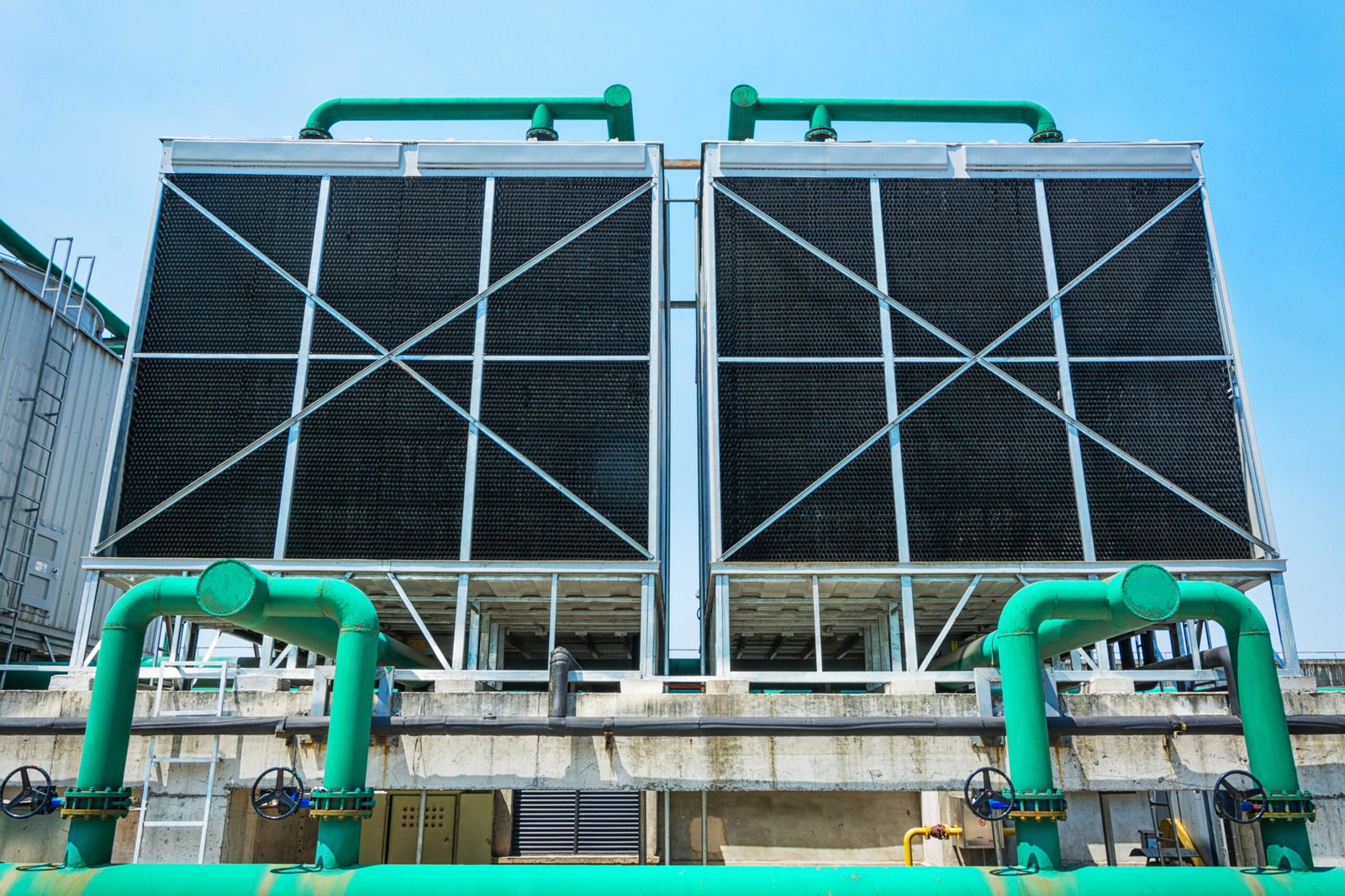
Temperature control is essential for the longevity and safety of batteries. The two predominant thermal management systems are liquid cooling, which is widely used in larger setups, and forced air cooling, typically implemented in smaller systems. Effective thermal management is vital as it prevents overheating and thermal runaway, thereby extending battery lifespan and enhancing overall efficiency and performance.

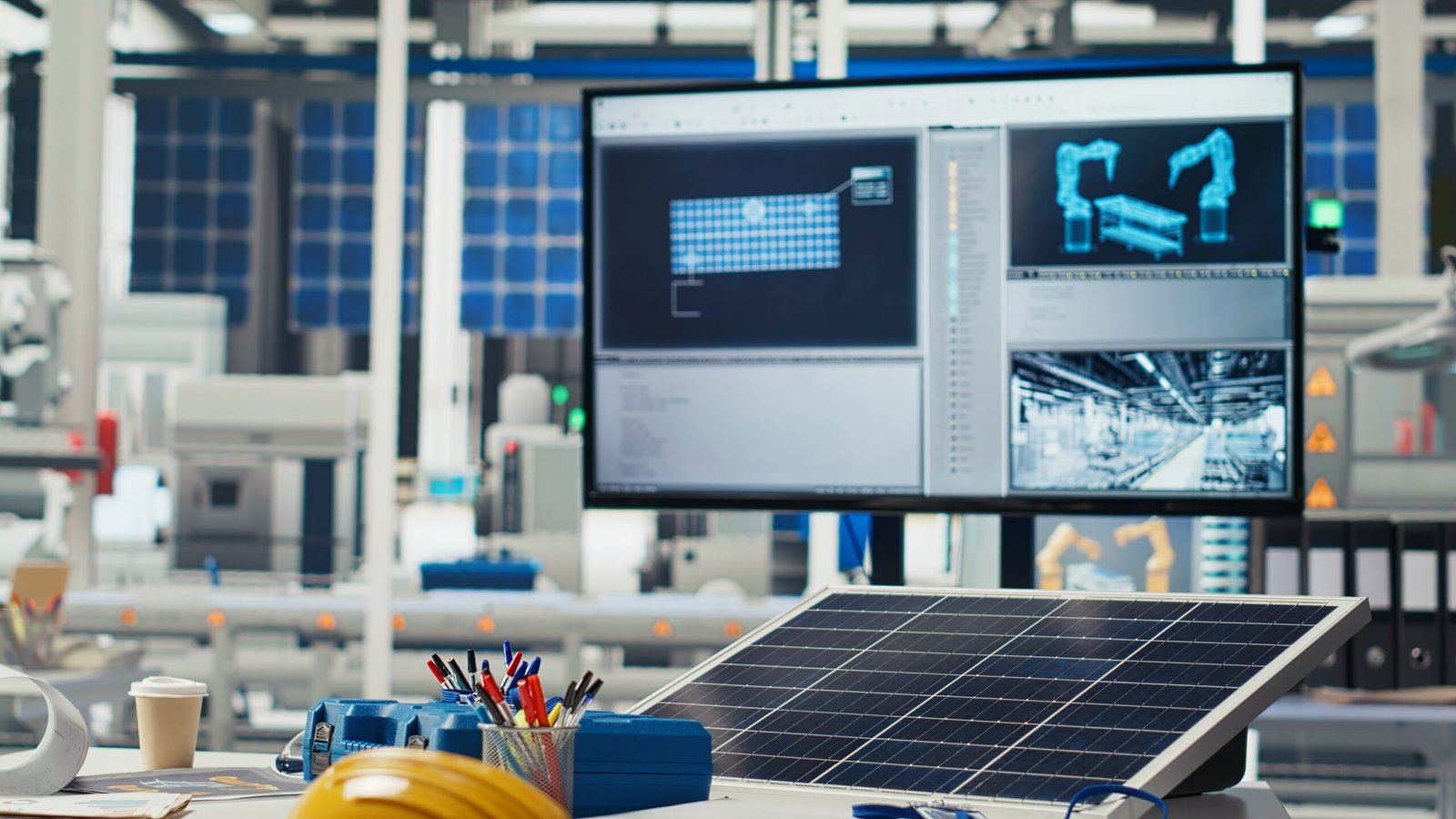
Monitor in green energy solar panels plant with software used to optimize layouts. Computer program in eco friendly photovoltaics factory doing arrangements for maximum energy output, panning shot

System Configurations: Choosing the Right Architecture

1. AC-Coupled Solar + Battery Energy Storage System Architecture

In an AC-coupled configuration for solar energy systems, solar panels first generate DC electricity, which is then converted to AC power by a solar inverter. A separate inverter is associated with the battery, and both inverters connect to the same AC distribution bus. As energy is stored in the battery, it undergoes multiple conversions: from Solar DC to AC via the PV inverter, then AC to DC for battery charging, and finally DC back to AC during discharge. These conversions lead to efficiency losses, with typical round-trip efficiencies ranging from 85% to 90% for AC-coupled systems.

The strategic advantages of AC-coupled systems include their suitability for retrofitting existing solar installations without replacing the solar inverter, high operational flexibility by allowing the battery to charge from both solar generation and grid power during off-peak times, and independent scaling of solar and battery capacities. However, there are limitations such as reduced efficiency due to the additional conversions and an increased component count.

Best use cases for AC-coupled systems involve existing solar plants that are adding storage, industrial sites with complex tariff structures, and facilities needing flexible energy strategies.

2. DC-Coupled Solar + BESS Architecture

In a DC-coupled solar energy system, solar panels and batteries are connected through a common DC bus managed by a hybrid inverter. This configuration allows solar energy to charge the battery directly in DC form, eliminating the need for initial AC conversion. The energy flow begins with solar panels generating DC power that charges the batteries directly, while the hybrid inverter converts DC power to AC for use in facility loads.

DC-coupled systems demonstrate a typical round-trip efficiency of 90–95%, benefiting from avoiding double conversions, leading to higher overall efficiency in comparison to AC-coupled systems. Strategic advantages include increased efficiency from fewer energy conversions, lower equipment costs by requiring only one hybrid inverter, improved solar energy capture by storing excess energy, and quicker system responses due to direct DC connections.

However, DC-coupled systems are less suited for retrofitting existing solar plants and may necessitate inverter upgrades for expansion. Optimal use cases include new solar-plus-storage installations in greenfield industrial projects and facilities that prioritize maximum efficiency.

3. Hybrid Grid-Interactive Battery Energy Storage Systems Architecture

The hybrid architecture integrates solar photovoltaic (PV) systems, battery storage, a grid connection, and an Intelligent Energy Management System (EMS). The EMS is tasked with making real-time decisions on when to charge or discharge batteries, whether to utilize solar or grid energy, and strategies to minimize operating costs. The architecture offers strategic advantages, including real-time energy optimization that balances solar generation with grid tariffs and load demand, as well as peak shaving and energy arbitrage by storing low-cost energy for use during high-demand peak periods.

Additionally, it provides seamless backup and islanding capabilities, allowing operations to continue independently during grid outages. The best use cases for this hybrid model are smart manufacturing facilities, industrial campuses with variable loads, and plants aiming for energy independence.

4. Centralized Battery Energy Storage System Solar Architecture

In a centralized configuration for energy systems, a large battery system is installed centrally, typically near the main transformer or substation, to serve an entire facility or solar plant. These systems are characterized by large-scale capacity, ranging from hundreds of kWh to multi-MWh, and include centralized power conversion and control. The strategic advantages of such systems include economies of scale, leading to a lower cost per kWh, simplified control and monitoring through a single system managing all energy flows, and the capability to provide grid services such as demand response, frequency regulation, and whole-plant backup.

However, there are limitations, including a single point of failure and the requirement for high-capacity infrastructure. Best use cases for centralized battery systems are in large manufacturing plants, industrial parks, and utility-scale solar-plus-storage installations.

5. Distributed (Modular) Battery Energy Storage Systems Solar Architecture

Multiple smaller battery units are deployed instead of a single large battery, with each unit dedicated to specific loads or zones and managed by a central control system. For example, different batteries can be used for production lines, critical equipment, or auxiliary loads. This system offers strategic advantages, such as higher reliability—since the failure of one module does not affect the whole system—load-specific optimization, and easy scalability, allowing for the addition of new modules as operations grow. However, this approach has limitations, including a more complex installation process and the need for advanced control systems. It is best suited for multi-building industrial sites, facilities with critical process loads, and plants planning phased expansion.

6. Off-Grid or Microgrid Battery Energy Storage System Solar Configuration

In this architecture, solar and battery systems function independently of the utility grid, with the battery providing power during periods of low solar output and often being integrated with backup generators. Battery Energy Storage Systems (BESS) are essential for stabilizing microgrids as they balance solar variability and ensure consistent power output. The strategic advantages include complete energy independence, eliminating reliance on unstable grids; reliable power provision for remote locations where grid infrastructure may be weak or nonexistent; and reduced fuel consumption, as batteries lessen generator runtime. Best applicable scenarios for this system are remote industrial facilities, mining or processing plants, and islanded industrial microgrids.

Financial Modelling for Battery Energy Storage System Solar

Financial modelling for solar-plus-storage projects is the foundation for determining project feasibility, return on investment, and long-term savings. For manufacturing units, where electricity costs form a major portion of operational expenses, a properly structured Battery Energy Storage Systems financial model can unlock significant cost reductions, improve cash flow, and strengthen energy independence.

A robust financial model evaluates capital costs, operating savings, revenue streams, financing structure, and risk factors across the project lifecycle. It converts technical performance into measurable business value.

1) Core Components of a Battery Energy Storage Systems Financial Model

A comprehensive financial model for solar-plus-storage consists of five main components:

  1. Capital Expenditure (CAPEX): This refers to the upfront costs for installing solar plants and battery systems, including solar PV modules, inverters, battery packs, and installation. Recent data indicates that stationary lithium-ion battery packs cost approximately $70/kWh in 2025, with total project costs around $125/kWh.
  2. Operational Expenditure (OPEX): These are ongoing costs incurred during the system’s life, such as maintenance, insurance, and software licensing. Solar OPEX typically ranges from 1-2% of CAPEX, while Battery Energy Storage System OPEX is approximately 2-4%.
  3. System Life and Degradation: Battery performance declines over time due to aging and cycling, typically lasting 8-15 years with a project lifespan of 15-25 years. Proper cycling can extend battery life beyond 16 years.
  4. Financing Structure: Financial modeling includes various funding models like self-funding, debt-equity financing, and Energy-as-a-Service. Debt ratios range from 60-80%, with interest rates between 8-12% and tenures of 7-12 years.
  5. Revenue and Savings Streams: A Battery Energy Storage System generates value through peak demand reduction, time-of-use optimization, increased solar self-consumption, and participation in grid services. Industrial systems can significantly reduce net energy costs through load shifting and peak shaving strategies.

2) Key Financial Metrics

The document outlines key financial metrics for evaluating solar investments.

  1. Payback Period: This metric indicates the time needed to recover the initial investment. For solar installations alone, the typical payback period ranges from 3 to 5 years, whereas for solar systems combined with battery energy storage systems (BESS), it extends to 5 to 8 years.
  2. Internal Rate of Return (IRR): The IRR measures the investment’s profitability, with typical ranges of 14% to 22% for solar-only projects and 12% to 18% for those paired with Battery Energy Storage System. The IRR is influenced by factors including demand charges, tariff volatility, solar utilization, and financing terms.
  3. Net Present Value (NPV): NPV assesses the overall financial gain throughout the lifetime of the system, adjusting for the time value of money. A positive NPV indicates the project is financially viable.
  4. Levelized Cost of Energy (LCOE) / Storage (LCOS): LCOE defines the cost per unit of energy generated, while LCOS refers to the cost per unit of stored energy over the battery’s lifespan. Estimations suggest that lifecycle storage costs could be around $65 per MWh under favorable conditions.

3) Step-by-Step Financial Modelling Process

The document outlines a comprehensive approach for analyzing and optimizing energy systems, specifically focusing on solar and battery energy storage systems (BESS). The analysis consists of six key steps:

  1. Load and Tariff Analysis: This involves evaluating annual energy consumption, peak demand profiles, time-of-use tariffs, and diesel backup costs to understand the operational landscape.
  2. System Sizing: Key factors include determining the solar capacity (in kW or MW), battery power rating (kW), and battery energy capacity (kWh or MWh). Sizing strategies are based on peak shaving targets, backup duration, and solar surplus availability.
  3. CAPEX and OPEX Estimation: This step focuses on calculating the costs associated with the solar system, Battery Energy Storage System, installation, and annual maintenance.
  4. Savings Calculation: An estimation is made regarding annual savings derived from reduced peak demand charges, lower grid consumption during peak tariffs, increased solar utilization, and avoidance of diesel use.
  5. Financial Projections: It includes creating long-term projections (15–25 years) encompassing cash flow, debt repayment, potential battery replacement, and the effects of degradation on system performance.
  6. Financial Metrics: Critical financial metrics such as payback period, internal rate of return (IRR), net present value (NPV), and levelized cost of storage (LCOS) are calculated to assess the project’s viability and return on investment.

Battery Energy Storage Systems (BESS) combined with solar power are rapidly transforming global and Indian energy markets. In 2025–2026, regulatory frameworks, incentives, and market mechanisms are evolving to support large-scale storage deployment, grid stability, and renewable integration. Below is a comprehensive overview of the most important regulatory and market trends shaping solar-plus-storage.

1) Global Market Growth and Policy Direction

The global Battery Energy Storage System (BESS) market is poised for significant growth, fueled by renewable energy targets, concerns regarding grid reliability, and decreasing battery prices. Key global trends indicate a rapid increase in energy storage installations through 2030. Governments worldwide are implementing measures such as capacity markets, storage-specific incentives, and grid-balancing programs. Additionally, utilities are increasingly opting for solar-plus-storage solutions rather than relying on standalone solar systems. In many areas, energy storage is now recognized as a vital grid asset, rather than merely a backup power source.

2) India: Major Policy and Regulatory Developments

India is rapidly advancing in solar and storage markets driven by ambitious renewable energy targets and modernization of the grid. The nation is working towards a goal of achieving 500 GW of non-fossil energy capacity by 2030. The government emphasizes the importance of energy storage for integrating renewables, managing peak demand, and ensuring grid stability.

Key regulatory initiatives include:

  1. Viability Gap Funding (VGF): Launched to support large-scale battery energy storage systems (BESS) with an initial target of 4 GWh capacity, providing financial assistance to lower capital costs for developers.
  2. Energy Storage Obligation (ESO): Aligns with Renewable Purchase Obligations (RPO), mandating DISCOMs to procure a specific percentage of power from storage, thus fostering long-term demand for Battery Energy Storage System.
  3. Time-of-Day (ToD) tariffs: This pricing structure incentivizes solar-plus-storage integration, with higher prices during peak hours and lower costs during off-peak times, promoting peak shaving and arbitrage.
  4. Ancillary services market: Storage systems can engage in frequency regulation and grid balancing, creating additional revenue opportunities for Battery Energy Storage System operators.

3) Key International Policy Trends (2025–2026)

Federal incentives are provided in the United States for storage under clean energy legislation, with standalone storage qualifying for investment tax credits. The country is witnessing a rapid increase in utility-scale solar-plus-storage projects. In Europe, a strong emphasis is placed on grid-scale storage as renewable energy penetration rises, leading to the expansion of capacity markets and flexibility services, with energy storage being acknowledged as a distinct asset class. In the Asia-Pacific region, countries such as China, Australia, and Japan are enforcing mandates that require storage to be integrated with renewable projects and are offering subsidies along with payments for grid services.

4) Major Market Trends in Solar + BESS

Many recent tenders in the energy sector are evolving, requiring the integration of storage solutions alongside solar projects. This shift from solar-only to solar-plus-storage offers advantages such as a reliable power supply, the ability to deliver energy during peak times, and the potential for higher tariffs and revenues. As lithium-ion battery prices continue to decrease, storage becomes increasingly financially viable for both commercial and industrial users, as well as for utility-scale projects.

Additionally, there is a growing interest in long-duration storage solutions, including 4–8 hour battery systems, flow batteries, and thermal and mechanical storage, which facilitate overnight renewable energy supply. Moreover, modern storage systems can generate revenue through various channels, including energy arbitrage, capacity payments, ancillary services, and renewable firming contracts.

Sustainability Impact

1. Major Reduction in Carbon Emissions: Solar plus battery energy storage systems (BESS) play a pivotal role in capturing excess clean solar energy, which can then be utilized when demand peaks, effectively substituting fossil-fuel energy generation and lowering CO₂ emissions. Research indicates that these solar-plus-storage setups can lead to substantial reductions in emissions throughout their operational lifespan, attaining a net positive environmental benefit within a short timeframe, often just a few years.

2. Improved Renewable Energy Utilization: BESS (Battery Energy Storage Systems) effectively captures renewable energy that may otherwise be wasted due to curtailment. This capability facilitates a higher integration of solar power into the energy grid while maintaining grid stability. Additionally, storage solutions ensure that renewable energy can be reliably dispatched, especially during periods of low solar generation.

3. Reduced Air Pollution: By lowering dependence on coal and gas plants, Battery Energy Storage Systems solar reduces harmful pollutants such as NOx, SO₂, and particulate matter, improving air quality and public health.

4. Enhanced Grid Efficiency: Local storage reduces transmission losses and decreases stress on grid infrastructure, enhancing overall energy efficiency.

5. Backup Without Polluting Generators: Battery Energy Storage System provides backup power during outages without resorting to diesel or gas generators, which emit toxic pollutants.

6. Stronger Grid Resilience: Batteries can respond quickly to changes in generation and demand, helping balance grids with high solar penetration and reducing the need for fossil peaker plants.

7. Reliable Backup During Extreme Events: In cases of weather disruptions or grid failures, stored solar energy ensures continuity for critical infrastructure without emissions.

8. Encourages Circular Economy Practices: Solar-plus-storage systems are becoming more recyclable, enabling a significant portion of battery materials to be recovered for reuse. This process of battery recycling, along with second-life applications, plays a crucial role in minimizing waste and alleviating the pressures associated with resource extraction.

9. Lifecycle Emissions Offset: Even accounting for manufacturing impacts, integrated systems typically break even on environmental footprint within a few years and deliver net positive sustainability benefits over decades.

10. Energy Access and Decentralization: Solar + BESS enables reliable power in remote or underserved regions without dependence on central grid or fossil fuels.

11. Energy Cost Stability: By reducing peak charges, improving efficiency, and optimizing self-consumption, facilities and communities achieve stable, lower energy costs while contributing to clean energy adoption.

12. Supports Climate and Sustainability Goals: Solar-plus-storage directly contributes to national and global targets for carbon reduction and renewable energy integration.

Sets of cooling towers in data center building.

Implementation Roadmap for Industrial Facilities

1. Assessment and Strategic Planning:
The first step in implementing a Battery Energy Storage System is conducting a comprehensive energy assessment of the industrial facility. This includes analyzing historical electricity consumption data, peak demand patterns, load curves, and seasonal variations to understand where storage can add the most value. A solar feasibility study must also be performed to evaluate rooftop or ground space availability, irradiation levels, and structural capacity. During this phase, clear project objectives are defined—such as peak demand reduction, time-of-use tariff optimization, solar self-consumption maximization, or backup power reliability. A preliminary technical and financial feasibility study ensures the project aligns with business goals and operational needs before moving forward.

2. System Design and Sizing:
Once feasibility is confirmed, the next step is designing and sizing the solar PV and battery storage system appropriately. The solar plant capacity is determined based on available space and energy consumption requirements, while the battery capacity (kWh) and power rating (kW) are sized according to peak shaving targets, backup duration needs, and surplus solar utilization. The facility must choose between AC-coupled, DC-coupled, or hybrid system architecture depending on whether it is a retrofit or a new installation. Integration of an advanced Energy Management System (EMS) and Battery Management System (BMS) is essential to ensure intelligent charge-discharge control, battery health monitoring, and operational optimization.

3. Regulatory Approvals and Financial Structuring:
Before installation, all necessary regulatory approvals and permits must be secured. This includes electrical and safety clearances, grid interconnection permissions (if exporting power), and compliance with fire and environmental regulations. At the same time, a detailed financial model is developed covering capital expenditure, operational costs, projected savings from demand charge reduction and tariff optimization, and estimated payback period. Facilities may explore different financing models such as direct CAPEX investment, third-party ownership, leasing, or Energy-as-a-Service arrangements. Proper financial and regulatory planning ensures risk mitigation and long-term viability.

4. Procurement and Installation:
After approvals and financial closure, procurement of equipment and contractor selection takes place. Vendors for solar modules, battery systems, inverters or power conversion systems (PCS), EMS, and safety infrastructure must be carefully evaluated based on technical expertise, warranty terms, and lifecycle support. Site preparation involves civil works, electrical infrastructure readiness, and safety system installation. The solar panels and battery units are then installed and integrated with the facility’s electrical network and control systems. Proper quality checks, including factory and site acceptance testing, help ensure that the system is installed according to design standards.

5. Commissioning, Monitoring, and Optimization:
The final stage involves system commissioning and long-term operation management. During commissioning, performance tests validate solar generation, battery charging and discharging cycles, EMS dispatch logic, and safety mechanisms. Facility operators receive training on system usage, emergency protocols, and maintenance procedures. Once operational, continuous monitoring through the EMS ensures real-time tracking of performance indicators such as state of charge, energy savings, peak reduction, and battery health. Over time, dispatch strategies can be refined to maximize financial returns and operational efficiency, and the system can be scaled as energy demand grows.

Challenges & Mitigation Strategies

Battery Energy Storage Systems (BESS) enable solar integration, grid flexibility, demand charge management, and backup power—but deploying them at scale involves several technical, economic, environmental, and regulatory challenges. Understanding these challenges and how to address them is crucial for successful, resilient, and sustainable Battery Energy Storage Systems implementation.

1. High Capital Costs and Economic Viability

BESS systems face high initial investment costs despite declining prices. Factors like unclear market structures complicate long-term financial planning. To mitigate these challenges: flexible financing models (e.g., EaaS, leasing) can ease upfront costs, detailed financial modeling can enhance investment certainty, and leveraging government incentives can improve project feasibility. Additionally, advocating for market reforms to acknowledge storage value in ancillary service markets is crucial.

2. Battery Degradation, Lifespan & Operational Limitations

Battery performance deteriorates over time, especially with common chemistries like lithium-ion, leading to reduced capacity and increased lifecycle costs. To mitigate these effects, it is advisable to use robust chemistries such as Lithium Iron Phosphate (LFP) for longer cycle life and safety. Additionally, advanced Battery Management Systems (BMS) should be implemented to better manage discharge depth, charging rates, and temperature. Predictive maintenance and analytics can help identify signs of performance decline early, while exploring second-life battery applications can extend useful life before recycling.

3. Safety Risks (Thermal Runaway & Fire Hazards)

Lithium-ion and chemical batteries pose safety risks like thermal runaway, potentially causing fires or explosions, especially in large systems. To mitigate these risks, it is essential to adhere to strict safety standards (e.g., UL 9540A, NFPA 855), implement fire detection and suppression systems, ensure proper spacing and ventilation, and train staff in emergency protocols.

4. Grid Integration, Interoperability & Control Complexity

Existing power grids, originally designed for conventional loads, face challenges integrating Battery Energy Storage Systems (BESS) with variable solar generation due to the need for advanced controls, interoperability, and accurate forecasting. To mitigate these issues, strategies include deploying smart Energy Management Systems (EMS) for dynamic monitoring, adopting standard communication protocols for compatibility, collaborating with utilities on grid upgrades, and conducting comprehensive grid impact studies during project planning.

5. Regulatory & Policy Barriers

Many existing policies and grid codes are ill-equipped for energy storage, resulting in regulatory challenges, inconsistent standards, and slow deployment that can deter investors. To address these issues, it is crucial to engage proactively with regulatory bodies and utilities, comply with existing regulations, advocate for favorable policies, and utilize industry associations to create standardized best practices.

6. Environmental and Resource Sustainability

The battery manufacturing sector faces challenges due to the environmental and social impacts of critical materials like lithium, cobalt, and nickel. Key issues include the difficulties in battery disposal and recycling, which pose risks of hazardous waste. Mitigation strategies include sourcing materials responsibly, investing in battery recycling infrastructures, exploring alternative chemistries with lower environmental impacts, and incorporating end-of-life management into sustainability plans.

7. Supply Chain & Scalability Constraints

Global Battery Energy Storage System (BESS) deployment faces risks due to dependence on a concentrated battery manufacturing supply chain, affected by geopolitical factors, material shortages, and logistics issues. To mitigate these challenges, strategies include diversifying suppliers with long-term agreements, developing domestic manufacturing capabilities to minimize geopolitical risks, and adopting modular, scalable architectures for incremental expansion as supply availability improves.

The Future Outlook Beyond 2026

The future of industrial energy is defined by intelligence, flexibility, and sustainability, with Solar + Storage at the forefront. Advancements in battery technologies are set to reduce costs and improve energy density, safety, and lifespan, making widespread use more feasible across various industries. The implementation of AI-driven Energy Management Systems (EMS) enables real-time optimization of energy flow based on load patterns, pricing, and grid conditions, while predictive analytics enhance forecasting, reduce operational risks, and improve investment returns.

Solar + Storage systems will provide more than just backup power; they will participate in grid services, demand response initiatives, and energy trading markets. Concurrently, changing policy and regulatory frameworks are recognizing the importance of energy storage. Governments are raising decarbonization targets, introducing carbon pricing, and offering incentives for clean energy to spur adoption. As electricity grids incorporate higher proportions of renewable energy, storage capacity becomes crucial for balancing supply and demand, stabilizing frequency, and ensuring reliability.

The transition towards electrification, including the adoption of electric vehicles, electric boilers, and green hydrogen production, is expected to further increase industrial electricity demand. Solar + Storage will be vital in delivering stable, low-carbon power on-site, transforming it into essential infrastructure for industrial operations. Early investments in these technologies will provide companies with cost stability, enhance energy security, align with regulatory requirements, and improve Environmental, Social, and Governance (ESG) performance. In this evolving energy landscape, Solar + Storage is not just a trend; it is a fundamental component of the future industrial energy ecosystem.

Conclusion

The integration of solar energy with Battery Energy Storage Systems (BESS) has become a defining standard in modern industrial energy management. Amid rising energy price volatility, grid instability, and increasingly ambitious sustainability goals, industries require solutions that are both reliable and future-ready. While solar power significantly reduces dependence on conventional energy sources, pairing it with storage transforms it into a stable, dispatchable, and fully controllable energy asset.

This powerful combination enables industrial facilities to optimize peak demand, lower electricity costs, and maintain uninterrupted operations during grid outages. By enhancing energy independence and improving power quality, solar plus storage strengthens overall operational resilience. At the same time, it accelerates decarbonization efforts by reducing reliance on fossil-fuel-based electricity and cutting carbon emissions.

From a financial standpoint, declining battery costs, improved system efficiencies, and multiple value streams—such as peak shaving, load shifting, and demand charge management—make solar + storage an increasingly compelling investment. Strategic storage implementation shifts energy from being a fixed operational expense to a dynamic, optimized asset that supports both cost control and long-term planning.

As industries evolve toward smarter, cleaner, and more resilient energy ecosystems, solar combined with storage stands out as the most practical and forward-looking solution. Organizations that adopt this integrated approach today not only enhance cost efficiency but also secure long-term energy reliability and strengthen their competitive advantage.

Ready to power your facility with Solar + Storage? Let’s design your energy future today.

Solar Panel Government Scheme: Driving 18–22% IRR for Industrial Solar Projects Across India

Solar Panel Government Scheme

The solar revolution in India is no longer a distant vision—it is actively reshaping the industrial energy landscape today. What was once considered mainly an environmental or CSR initiative has now emerged as a high-impact financial strategy for industries. Backed by the Solar Panel Government Scheme, along with supportive tax benefits, capital incentives, and progressive policy frameworks, industrial solar projects are delivering returns that compete with—and often outperform—traditional investments, achieving 18–22% IRR in many cases.

This blog explores how the Solar Panel Government Scheme and allied policies make this transformation possible, and how industrial solar projects—from rooftop systems on manufacturing facilities to large ground-mounted solar parks—are unlocking long-term value, improved profitability, and sustainable growth for businesses across India.

The Business Imperative: Why the Solar Panel Government Scheme Makes Solar Financially Sense for Industries

India’s industrial sector now views energy as a strategic asset crucial for profitability and competitiveness. Rising power costs and sustainability demands are prompting a shift in electricity sourcing, with solar power emerging as a financially beneficial choice. For industrial leaders, investing in solar energy means realizing substantial financial returns, managing risks, and enhancing competitiveness, turning energy expenses into high-return investments.

1. Protection Against Rising Energy Costs
Electricity constitutes a significant expense for industrial units, often accounting for 40–60% of total operating costs. Solar energy can fundamentally alter this situation by reducing electricity costs to ₹3–₹4 per kWh compared to state utility tariffs of ₹7–₹12 per kWh, resulting in a 60–70% savings. The alignment of large daytime industrial loads with solar generation means most energy produced is consumed on-site, further enhancing savings. As industrial tariffs continue to rise due to various economic factors, solar power offers fixed, predictable pricing for over 25 years, providing long-term cost stability and improved profit margins for energy-intensive manufacturers.

2. Predictable Long-Term Energy Costs
Solar energy systems provide long-term cost stability, with lifespans exceeding 25 years, in contrast to traditional grid tariffs that increase annually. This long-term predictability shields businesses from utility price inflation, which has historically surpassed general inflation rates. As a result, companies can enjoy enhanced financial planning and improved cash flow stability, particularly beneficial for industries operating on narrow margins and extended investment timelines.

3. Strong Returns & Fast Payback
Solar energy is notable for its high return on investment (ROI) and short payback period, with many industrial projects achieving break-even within 3 to 5 years, leading to energy savings as a net benefit. Sector analyses indicate that the internal rates of return (IRRs) for commercial and industrial solar installations typically range between 18% and 25%, with potential for higher returns based on tariff assumptions and incentive structures. This performance frequently surpasses that of traditional capital investments, positioning solar as a compelling component of strategic energy portfolios.

4. Tax & Regulatory Incentives That Improve Cash Flows
Solar projects in India are supported by significant fiscal incentives that enhance project economics. Key among these incentives are:

  1. Accelerated Depreciation (AD): Industrial companies can claim up to 40% depreciation in the first year per the Income Tax Act, effectively lowering taxable income and boosting cash flows in the initial years.
  2. Concessional GST: Solar equipment is subject to a reduced GST rate, typically around 5%, which decreases upfront project expenses.
  3. Net Metering: This allows surplus solar generation to be fed into the grid, offsetting future electricity bills and increasing the overall value of energy.

These incentives are particularly advantageous for industrial users as they speed up capital recovery and enhance early-year profitability, which is essential for calculating the Internal Rate of Return (IRR).

5. Reduced Demand Charges & Peak Load Costs
Industrial tariffs frequently incorporate demand charges based on peak load usage, constituting a substantial part of electricity expenses. Solar energy generation reduces peak draw from the grid, especially during the day, leading to decreased peak demand charges, load factor penalties, and fixed demand-related costs. This reduction in charges not only improves overall savings but also expedites the payback period for solar investments.

6. Lower Reliance on Backup Fuels & Energy Security
Heavy industries frequently use diesel generators as a backup during grid outages, which are both expensive and carbon-intensive. Incorporating solar energy, along with optional storage solutions, mitigates reliance on costly diesel and related fuel logistics, thus minimizing operational risks and associated costs. Furthermore, the combination of solar energy and storage not only enhances energy security but also promotes operational continuity. This approach is not only cost-effective but also safeguards production lines from the unreliability of the power grid.

7. Competitive Advantage Through Sustainability
Solar energy is emerging as a key strategic asset for industries amidst tightening environmental standards in global supply chains. Enhanced environmental, social, and governance (ESG) scores derived from renewable energy adoption can attract both investors and consumers. Additionally, utilizing renewable energy may lead to better financing options, including low-interest green loans. Industries can also benefit by engaging in carbon credit markets and green certification schemes, which offer alternative value streams. For businesses focused on exports, the demonstration of renewable energy usage serves as a competitive advantage in international markets.

8. Minimal Operational Costs and High Durability
Solar systems, once installed, necessitate minimal maintenance due to several factors: there are no fuel costs, no moving parts which lead to fewer breakdowns, and only simple annual inspections and panel cleanings are required. As a result, the ongoing operational costs are significantly lower than those of conventional energy systems, contributing to a high lifetime value.

How Government Schemes Fuel Solar Economics

Government backing in India has reshaped solar from a compliance-driven initiative into a high-performance financial asset. Through a combination of fiscal incentives, tax advantages, regulatory support, and manufacturing reforms, the solar panel government scheme ecosystem reduces upfront costs while strengthening long-term returns for commercial and industrial investors.

Here’s how each component works together to make solar a compelling investment proposition:

a) Capital Subsidies & Direct Financial Assistance

The solar panel government scheme framework—driven by the Ministry of New and Renewable Energy (MNRE)—focuses on accelerating distributed solar deployment across India.

For residential and institutional rooftop systems, capital subsidies can reach:

  • Up to 40% for systems up to 3 kW
  • Up to 20% for systems up to 10 kW

While large industrial projects generally do not receive central subsidies under the solar panel government scheme, several state-level programs significantly improve viability. For example:

  • Tamil Nadu offers subsidies of up to 15%
  • Karnataka provides incentives of around 20% on eligible system costs

These state-led solar panel government scheme benefits directly reduce capital expenditure (CapEx), shorten payback periods, enhance project bankability, and strengthen IRR outcomes—making large-scale industrial solar more financially accessible.

b) Accelerated Depreciation (AD) Benefits

Accelerated Depreciation remains one of the most powerful financial levers within the broader solar panel government scheme ecosystem. Under the Income Tax Act 1961, industrial entities can claim up to 40% depreciation in the first year on solar assets.

This front-loaded depreciation provides:

  • Significant tax savings in Year 1
  • Stronger early-stage cash flows
  • Faster capital recovery
  • Higher Internal Rate of Return (IRR)

For profit-making manufacturing units, this element of the solar panel government scheme often transforms solar from a steady-return asset into a high-yield investment. The initial tax shield accelerates returns—crucial for achieving 18–22% IRR—while continued depreciation in subsequent years maintains long-term tax efficiency.

c) Net Metering & Power Sale Opportunities

A key pillar of the solar panel government scheme is ensuring that every generated unit of electricity carries measurable financial value.

Net metering policies—implemented by State Electricity Regulatory Commissions—allow industries to export surplus solar energy to the grid and receive credits against future consumption. This is particularly beneficial for facilities with:

  • Fluctuating production schedules
  • Daytime generation surplus
  • Weekend or shift-based operations

Beyond net metering, the solar panel government scheme framework also supports:

  • Open access models
  • Group captive solar structures
  • Power wheeling and third-party sale arrangements

When paired with well-structured Power Purchase Agreements (PPAs) and rising grid tariffs, these mechanisms significantly enhance long-term project savings. In many cases, optimized utilization under the solar panel government scheme helps industrial projects consistently achieve 18–22% IRR.

d) GST & Customs Duty Benefits

Tax policies embedded within the solar panel government scheme further improve solar economics. Solar components—including PV modules, inverters, and balance-of-system equipment—attract concessional GST rates (typically around 12%, depending on prevailing policy).

Industries can also claim Input Tax Credit (ITC), reducing effective project cost and improving return metrics. Compared to conventional power infrastructure, solar benefits from a more favorable tax structure under the solar panel government scheme.

Customs duty policies are structured to:

  • Encourage domestic manufacturing
  • Support supply chain stability
  • Reduce exposure to global pricing volatility

This predictable regulatory environment ensures that solar remains competitive and financially resilient for industrial-scale adoption.

e) Production Linked Incentive (PLI) Schemes for Solar Manufacturing

The Production Linked Incentive Scheme is another strategic component of the broader solar panel government scheme ecosystem. While it does not directly subsidize installations, it strengthens the domestic manufacturing base.

Under the scheme, manufacturers receive incentives based on:

  • Production volumes
  • Module efficiency standards
  • Domestic value addition

The impact of this solar panel government scheme initiative includes:

  • Expansion of Indian manufacturing capacity
  • Adoption of advanced module technologies
  • Economies of scale
  • Reduced import dependency

For industrial solar investors, this translates into improved module quality, better price stability, and stronger supply chain reliability—ultimately lowering CapEx and enhancing long-term project performance.

Schemes That Impact Industrial Solar Investment Outcomes

Below are some of the major policy frameworks and schemes that industrial players should know:

a) PM Surya Ghar Muft Bijli Yojana

The Pradhan Mantri Surya Ghar: Muft Bijli Yojana, launched in February 2024 by the Government of India with a budget of approximately ₹75,021 crore, aims to scale rooftop solar installations significantly. It offers Central Financial Assistance with fixed subsidies for systems up to 3 kW and provides up to 300 units of free electricity monthly per household. While primarily targeting residential consumers, the scheme also bolsters the solar supply chain and improves net-metering infrastructure, indirectly fostering industrial solar investments.

The program has already resulted in millions of installations, enhancing domestic solar ecosystems and stabilizing costs across the market. Overall, this initiative not only promotes residential solar but also positively impacts industrial outcomes by lowering costs and creating a favorable investment climate.

b) Grid-Connected Rooftop Solar Programme (Phase II)

The Grid-Connected Rooftop Solar Programme (Phase II), initiated by the Ministry of New and Renewable Energy (MNRE), aims to enhance grid-connected solar installations, with a primary focus on residential systems. It provides Central Financial Assistance (CFA) and offers incentives to DISCOMs to facilitate quicker approvals and improved grid connectivity. This scheme aims to streamline regulations and reduce risks for larger industrial solar projects, thus lowering project timelines and increasing investor confidence through enhanced grid integration. The framework also integrates with the PM Surya Ghar initiative, ensuring effective support across various solar sectors.

c) State Solar Policies & Industrial Incentives

Many Indian states enhance central support for solar energy through state-level schemes targeting commercial and industrial users, offering subsidies, reduced duties, and preferential tariffs. Gujarat leads in rooftop installations with attractive incentives, while states like Uttar Pradesh, Delhi, and Uttarakhand provide cost reductions and performance guarantees. These policies lower barriers, improve project viability, and foster private sector engagement in renewable energy. States such as Rajasthan, Maharashtra, Tamil Nadu, and Karnataka further encourage industrial solar through customized incentives and favorable banking mechanisms, resulting in lower operating costs and potential IRRs of 18–22% for well-structured projects.

d) GST and Tax Incentives

Tax benefits play a crucial role in the solar panel government scheme, significantly affecting project economics. Concessional GST rates lower the upfront capital expenditure for industrial solar installations, while Input Tax Credit (ITC) enhances cost efficiency for eligible entities. Accelerated depreciation and income-tax-linked benefits improve post-tax returns, making solar more financially advantageous than conventional power options. Consequently, this leads to reduced CapEx, stronger cash flows, shorter payback periods, and enhanced project IRRs, positioning solar as a highly tax-efficient investment. GST reforms further reduce project costs, making key solar components more affordable and improving overall return metrics on investments.

A Closer Look at Economics: Achieving 18–22% IRR

For industrial and C&I consumers in India, solar power has evolved into a high-return financial instrument, not just a sustainability upgrade. When aligned with the right solar panel government scheme, tax structures, and project design, industrial solar installations consistently deliver 18–22% Internal Rate of Return (IRR). Below is a detailed, point-wise breakdown of the economic drivers behind these strong returns.

1. High Differential Between Grid Tariff and Solar Power Cost

Industrial electricity tariffs in India are generally between ₹8 and ₹12+ per unit, comprising demand charges, fuel adjustment costs, and cross-subsidies. In contrast, solar power systems, once installed, can provide electricity at a levelized cost of ₹3–₹5 per unit over a 25-year period. This significant difference in tariffs allows for immediate and ongoing savings from the first day of operation. Economically, the reduction in grid costs results in substantial annual cash savings, which underpin a robust internal rate of return (IRR) of 18–22%.

2. Long-Term Fixed Energy Cost vs Rising Grid Tariffs

Grid electricity prices have traditionally increased by 4–6% each year, attributed to fluctuations in fuel costs and the expenses associated with infrastructure. In contrast, solar energy provides a stable cost for power over extended periods, thereby serving as a natural safeguard against inflation and rising tariffs. The economic implications of this are significant: as grid tariffs continue to rise, the savings generated from solar energy accumulate over the years, substantially enhancing the lifetime returns of solar projects and their internal rate of return (IRR).

3. Optimized Capital Cost Through Policy & Market Maturity

Declining prices of solar modules, enhanced inverter efficiencies, and economies of scale among Engineering, Procurement, and Construction (EPC) companies have led to a substantial reduction in capital expenditure (CapEx) for solar projects. Additionally, the introduction of concessional Goods and Services Tax (GST) rates and more efficient approvals under the government’s solar panel scheme have further decreased upfront costs. The acceleration of project execution minimizes interest during the construction phase and facilitates quicker cash flow generation. Overall, these factors contribute to improved economic metrics, including better Net Present Value (NPV), shorter payback periods, and increased Internal Rate of Return (IRR).

4. Accelerated Depreciation & Tax Efficiency

Industrial entities can leverage Accelerated Depreciation (AD) benefits, permitting significant depreciation of project costs in the initial years. This practice offers immediate tax savings post-commissioning, resulting in reduced taxable income and enhanced post-tax cash flows during crucial early years. The economic impact is notable, as front-loaded tax benefits significantly contribute to achieving Internal Rates of Return (IRRs) between 18% and 22%.

5. High Self-Consumption Ratios in Industrial Facilities

Manufacturing units, warehouses, and processing plants generally operate during daylight hours, which allows for 70–95% self-consumption of the solar power they generate, leading to substantial direct savings. Net metering policies included in various government solar panel schemes ensure that any surplus energy generated is credited, thereby preventing waste. The economic impact of this setup is significant; increased utilization of generated power not only enhances overall revenue realization but also boosts project profitability.

6. Net Metering, Banking & Power Export Benefits

Net metering is a system that enables excess solar energy generation to be sent to the electrical grid, which can then be credited against future energy consumption. In certain states, additional provisions such as banking and rollover options augment the benefits of surplus energy, thereby enhancing the overall value of each unit generated. The economic implications of net metering include increased revenue capture and improved lifetime savings, contributing to a higher internal rate of return (IRR).

7. Low Operating & Maintenance Costs

Solar plants are characterized by their minimal moving parts, resulting in significantly lower operations and maintenance (O&M) costs when compared to traditional power sources. This predictability in maintenance expenses contributes to stable cash flows that are easy to forecast. Additionally, modern monitoring systems enhance performance and ensure consistent energy generation. Economically, the lower operating costs help maintain profit margins throughout the project’s lifespan, thereby strengthening long-term financial returns.

8. Short Payback Periods Create Long-Term Upside

Most industrial solar projects typically achieve a payback period within 3 to 5 years. Once the payback is achieved, the solar system can produce electricity at a nearly zero marginal cost for over 20 years. Economically, this results in a substantial and ongoing savings, which significantly enhances the Internal Rate of Return (IRR) throughout the asset’s lifespan.

9. Strong Asset Life & Residual Value

Solar systems are engineered for a typical operational lifespan of 25 to 30 years, exhibiting minimal degradation over that period. Even after the advantages of depreciation decline, these systems remain capable of providing steady savings. Economically, the prolonged generation of cash flow enhances lifetime value, thereby improving financial return metrics.

10. Flexible Financing & CAPEX-Light Models

Industries have the option to select from various financing models including CAPEX (capital expenditures), OPEX (operational expenditures), RESCO (Renewable Energy Service Company), or a hybrid approach. The availability of green financing along with competitive interest rates leads to a reduction in the cost of capital. These financing structures are integrated with government solar panel schemes to enhance project feasibility. The economic implications include improved equity returns and overall Internal Rate of Return (IRR) due to optimized financing strategies.

Government Incentives and Support

Industry decision-makers can leverage diverse government schemes to lower the effective cost of solar installations:

Direct subsidies/grants

Many countries provide capital subsidies for commercial solar. India’s MNRE offers 40% capital subsidy on rooftop solar up to 3 kW (20% for 3–10 kW), plus a 15% subsidy under the CLCSS program for energy-efficient upgrades. In Kenya, solar equipment imports are VAT‑exempt. Some Indian states even offer 20–50% subsidies for larger projects (e.g. Uttarakhand’s 20–50% subsidy for 20–200 kW systems).

Tax credits and allowances

Tax incentives let companies write off most solar investment. In the U.S. and Canada, a federal Investment Tax Credit of 30% applies to commercial solar projects (for systems built by 2026–2034). The UK classifies solar PV as “special rate” capital assets, enabling accelerated depreciation and enhanced capital allowances. These incentives can effectively cut the capital cost by one-third or more, shortening payback.

Feed-in tariffs & rebates

Some governments guarantee a premium price for power sold to the grid. Germany’s recent Solarpaket I raises feed-in tariffs for industrial installations, making solar projects more economically appealing. Locally, utilities or industry associations often run rebate programs (e.g. Ontario’s DER program) that top-up government funding.

Regulatory support

Beyond money, policies like net-metering (credit for excess generation) and streamlined permitting reduce barriers. Many states and countries offer net-metering or time-of-use rate structures so businesses can sell surplus solar energy back to the grid. These improve project economics by adding revenue streams.

Industry development funds

Some programs invest in local supply chains. For example, Spain’s Ministry for Ecological Transition has earmarked €750 million to boost domestic solar PV and renewables manufacturing, securing long-term access to technology and stabilizing industry costs.

Combined, these incentives mean an industrial solar project can often recover 30–50% (or more) of its capital cost from subsidies/tax breaks, significantly improving the financial case.

Implementation Best Practices for Industrial Solar Projects

Implementing an industrial solar project under a solar panel government scheme is not simply about installing panels—it is about aligning policy benefits, engineering precision, financial structuring, and long-term operational strategy into one integrated execution plan. When approached systematically, these projects can deliver predictable energy savings, accelerated payback, and strong double-digit IRR over 20–25 years.

Below is a comprehensive and detailed framework to ensure successful implementation.

1. Strategic Energy Assessment & Feasibility Planning

Every successful solar panel government scheme project begins with data-driven decision-making. A structured feasibility assessment should include analyzing 12–24 months of electricity bills, evaluating sanctioned load, contract demand, and peak demand charges, reviewing seasonal and shift-wise consumption trends, assessing available rooftop or ground space, examining shadow impact and structural s trength, and factoring in future expansion or load growth plans.Accurate system sizing under the solar panel government scheme ensures optimal net metering utilization, prevents oversizing beyond regulatory limits, maximizes self-consumption ratios, and strengthens financial modeling accuracy. Poor sizing, even within a favorable solar panel government scheme framework, can significantly reduce projected returns despite government incentives.

2. Regulatory & Policy Alignment (Central + State)

India’s renewable ecosystem operates under a combination of central direction and state-level implementation, making regulatory alignment essential for any solar panel government scheme project. The Ministry of New and Renewable Energy provides national policy guidance, while individual states such as Gujarat, Maharashtra, and Tamil Nadu implement their own regulatory structures. Key considerations include eligibility for net metering versus gross metering, rooftop capacity limits, open access and cross-subsidy charges, banking provisions, and DISCOM interconnection procedures. Successful execution of a solar panel government scheme requires securing all statutory approvals before procurement and installation to avoid costly delays and ensure smooth commissioning.

3. Financial Structuring & Investment Model Selection

Financial structuring directly impacts IRR, cash flow stability, and risk exposure in a solar panel government scheme project. Selecting the right investment model is critical for maximizing financial performance.

  • CAPEX Model (Self-Owned):
    This model offers complete asset ownership and eligibility for accelerated depreciation under the Income Tax Act 1961, which allows up to 40% depreciation in the first year. For profitable manufacturing units, this significantly enhances early cash flow and improves overall IRR under the solar panel government scheme.
  • OPEX / RESCO Model:
    This structure requires no upfront capital investment. Companies pay only for energy consumed, making it ideal for preserving capital while still benefiting from the solar panel government scheme.
  • Group Captive / Open Access Model:
    With shared ownership structures, this model reduces exposure to grid tariff volatility and is particularly effective for large energy-intensive consumers optimizing long-term energy costs within the solar panel government scheme ecosystem.

Choosing the appropriate financial structure ensures long-term value creation and risk mitigation.

4. High-Quality Engineering & Component Selection

Government incentives alone do not guarantee returns; performance quality is equally critical in a solar panel government scheme project. Best practices include selecting ALMM-compliant high-efficiency modules, deploying advanced inverters with intelligent monitoring systems, optimizing DC/AC ratios, conducting detailed shadow analysis, and ensuring compliance with wind load and structural certification standards. Proper earthing and lightning protection are also mandatory. Adhering to strict engineering standards ensures that investments under the solar panel government scheme deliver stable and consistent generation over a 25-year lifecycle.

5. Approval Management & Grid Integration Planning

Administrative delays remain one of the most common risks in industrial solar execution. To ensure timely implementation under the solar panel government scheme, proactive approval management is essential. Recommended actions include early application for net metering approval, securing DISCOM feasibility clearance, confirming transformer capacity availability, obtaining synchronization approval before commissioning, and ensuring full documentation compliance with state nodal agencies. Efficient approval coordination accelerates commissioning and enables faster revenue realization within the solar panel government scheme structure.

6. Smart Contracting & Risk Mitigation

For OPEX or group captive projects, contractual clarity is vital to safeguard financial returns under the solar panel government scheme. Power Purchase Agreements (PPAs) must clearly define tariff structures and escalation terms, minimum offtake commitments, payment security mechanisms, change-in-law clauses, and exit or termination provisions. Robust legal structuring reduces regulatory and commercial risks, ensuring stable long-term returns within the solar panel government scheme environment.

7. Long-Term Operations & Maintenance (O&M)

The long-term value of a solar panel government scheme investment depends heavily on disciplined Operations and Maintenance practices. Key measures include scheduled preventive maintenance, module cleaning based on dust accumulation patterns, thermal scanning for hotspot detection, deployment of real-time digital monitoring dashboards, and annual performance audits. Benchmarking the Performance Ratio (PR) annually is essential, as even a 2–3% generation drop can materially impact long-term IRR. A structured O&M strategy ensures that government incentives under the solar panel government scheme translate into sustained financial savings.

8. Future-Proofing the Investment

Industrial energy demand is evolving rapidly, requiring flexible and scalable infrastructure. A forward-looking solar panel government scheme project should consider integration of Battery Energy Storage Systems (BESS), EV charging infrastructure, additional rooftop expansion capacity, smart energy management systems, and carbon credit or sustainability reporting mechanisms. Embedding flexibility into project design ensures that the solar panel government scheme investment remains relevant and financially viable for decades.

9. Risk Assessment & Performance Monitoring

Professional execution requires comprehensive risk planning. This includes asset and business interruption insurance coverage, generation guarantee clauses, sensitivity analysis within financial modeling, and scenario planning for tariff changes. Deploying robust digital monitoring tools enhances transparency, enabling management to track real-time generation, savings, and ROI performance. Continuous performance oversight ensures that the solar panel government scheme delivers expected returns while minimizing exposure to operational and regulatory uncertainties.

Challenges & How to Overcome Them

Solar adoption under the solar panel government scheme framework has accelerated across India, particularly across commercial and industrial sectors. Strong policy backing, improved regulatory clarity, and attractive financial returns have made large-scale solar investments increasingly viable. However, despite these advantages, implementing a project under the solar panel government scheme can involve operational, financial, regulatory, and technical complexities.

The key to maximizing the benefits of a solar panel government scheme project lies in identifying risks early and embedding structured mitigation strategies into the execution roadmap. Below is a detailed and combined overview of major challenges and practical solutions.

1. Regulatory Complexity & State-Level Variations

The implementation of the solar panel government scheme in India varies significantly from state to state. Differences in net metering limits, open access charges, banking provisions, grid connectivity approvals, and documentation requirements can directly impact project feasibility and projected IRR. To strengthen outcomes under the solar panel government scheme, industries must conduct state-specific regulatory due diligence before financial closure, closely track updates issued by State Electricity Regulatory Commissions, collaborate with experienced EPC and policy advisors, and secure all required approvals before initiating procurement. Proactive regulatory alignment ensures smoother implementation and protects expected Internal Rate of Return (IRR).

2. Approval Delays & DISCOM Bottlenecks

Industrial solar projects often face delays due to slow net metering approvals, backlog in feasibility clearances, transformer capacity constraints, and synchronization approval timelines. Such bottlenecks can delay commissioning and revenue realization under a solar panel government scheme structure. To mitigate these challenges, companies should initiate grid feasibility applications early during the planning stage, conduct internal transformer and load assessments, maintain complete documentation to prevent rejection, and establish a dedicated liaison team to coordinate with DISCOM authorities. Early and structured engagement with utilities significantly reduces project execution timelines within the solar panel government scheme framework.

3. High Upfront Capital Requirement

Large industrial systems under the solar panel government scheme require significant upfront capital investment, which may create liquidity concerns for management teams. To address this, businesses should compare CAPEX and OPEX structures such as RESCO and group captive models. Leveraging accelerated depreciation benefits under the Income Tax Act 1961 can improve first-year cash flows. Additionally, green financing, sustainability-linked loans, and structured debt solutions can optimize funding. Preparing detailed IRR and payback models for stakeholders helps demonstrate how a solar panel government scheme investment can become a high-performing long-term asset.

4. Policy Uncertainty & Changing Tariff Structures

Changes in net metering regulations, banking provisions, open access charges, or policy amendments may influence financial projections linked to the solar panel government scheme. To minimize risk, industries should prioritize higher self-consumption ratios to reduce export dependency, include change-in-law clauses within Power Purchase Agreements (PPAs), conduct sensitivity analysis within financial models, and diversify structuring approaches to avoid reliance on a single regulatory mechanism. Conservative financial planning enhances resilience against policy shifts affecting the solar panel government scheme.

5. Grid Infrastructure & Curtailment Risks

In certain industrial zones, insufficient grid infrastructure may lead to energy curtailment, synchronization delays, or limited net metering credits, impacting performance under the solar panel government scheme. Mitigation measures include conducting grid capacity assessments before finalizing system sizing, optimizing on-site energy consumption, exploring hybrid systems or battery integration to reduce export reliance, and coordinating early with DISCOM engineers. Maximizing internal consumption helps safeguard returns within the solar panel government scheme model.

6. Technical & Performance Risks

Poor component selection or improper installation can lead to lower generation output, reduced Performance Ratio (PR), increased maintenance costs, and diminished IRR under the solar panel government scheme. To avoid such risks, industries should use ALMM-compliant, high-efficiency modules, deploy advanced inverters with intelligent monitoring capabilities, perform detailed shadow and yield simulations, enforce strict quality control during EPC execution, and implement preventive maintenance along with periodic performance audits. Strong engineering practices are essential to fully capitalize on the financial benefits offered by the solar panel government scheme.

7. Structural & Space Constraints

Many industrial facilities face constraints such as limited rooftop area, aging roof structures, load-bearing capacity issues, or complex layouts that restrict system design under the solar panel government scheme. Solutions include conducting structural audits before design finalization, utilizing lightweight mounting systems, exploring elevated solar carports or ground-mounted alternatives, and distributing installations across multiple facility buildings. Flexible design approaches enhance feasibility, safety, and scalability.

8. Supply Chain & Cost Fluctuations

Global module pricing volatility, customs duties, and logistics disruptions can affect budgeting and financial assumptions under the solar panel government scheme. To manage these risks, companies should secure pricing through early procurement contracts, diversify supplier networks, maintain buffer timelines in project schedules, and incorporate price variation clauses within EPC agreements. Structured procurement planning enhances financial predictability within the solar panel government scheme ecosystem.

9. O&M & Long-Term Performance Degradation

Over a 20–25 year lifecycle, factors such as dust accumulation, hotspots, loose connections, and equipment wear can reduce energy generation, affecting long-term projections under the solar panel government scheme. To ensure sustained performance, industries should implement quarterly preventive maintenance programs, deploy real-time monitoring platforms, conduct annual thermal scanning and performance audits, and benchmark actual generation against projected models. Disciplined operations and maintenance are critical to preserving long-term financial returns under the solar panel government scheme.

The Road Ahead for Industrial Solar in India

As India approaches 2026, industrial solar is transitioning from a sustainability-driven initiative to a core strategic and financial decision, strongly supported by the solar panel government scheme. Rising grid tariffs, increasing ESG compliance requirements, and the need for long-term cost predictability are encouraging manufacturing units to accelerate renewable adoption. Backed by progressive policies from the Ministry of New and Renewable Energy, the solar panel government scheme is streamlining approvals, strengthening regulatory clarity, and enhancing overall project bankability. As a result, many industrial projects are now achieving attractive returns in the range of 18–22% IRR.

A growing number of industries, including textiles, automotive, and heavy manufacturing, are shifting from being pure power consumers to becoming partial energy producers through rooftop, captive, and hybrid solar models. The solar panel government scheme improves feasibility and financial confidence, enabling companies to lock in stable electricity costs for 20–25 years. At the same time, India’s clean energy ambitions under the National Green Hydrogen Mission are expected to further accelerate solar integration within energy-intensive sectors.

The adoption of energy storage systems will enhance peak demand management and improve grid reliability, while digital monitoring and smart energy management technologies will enable manufacturers to track generation performance and carbon metrics in real time. Strengthened domestic solar manufacturing, supported by policy incentives, is also contributing to greater supply chain stability and cost predictability. Overall, the future of industrial solar in India is defined by policy clarity, financial innovation, and technological advancement, positioning solar as a strategic asset for manufacturers seeking sustained cost advantages and stronger ESG alignment.

Conclusion

As India advances toward 2026, industrial solar is no longer a future consideration—it is a present-day business imperative. Supported by evolving policies, financial incentives, and regulatory clarity, the solar panel government scheme has transformed solar adoption into a high-impact strategic investment for industries. From delivering stable, long-term power costs and attractive IRRs to strengthening ESG performance and global competitiveness, industrial solar now sits at the intersection of profitability, resilience, and sustainability. Manufacturers that proactively align their energy strategy with the solar panel government scheme will not only safeguard themselves against rising tariffs but also position their operations for long-term growth in an increasingly carbon-conscious global market.

Now is the time to act. Evaluate your facility’s energy profile, assess the benefits available under the solar panel government scheme, and transition from grid dependency to energy ownership. Partner with an experienced solar EPC provider to design a future-ready solution that maximizes savings, ensures compliance, and delivers measurable returns. The shift to solar today is the competitive advantage your business will rely on tomorrow.

12 Solar Inverters That Define Modern Solar Performance

Battery Energy Storage System

In the global transition toward clean and reliable energy, solar power has emerged as one of the most practical and scalable solutions for commercial and industrial (C&I) applications. While solar panels often steal the spotlight, there is another component that quietly determines how efficiently your entire system performs—the solar inverter.

Often referred to as the brain of a solar power plant, the solar inverter plays a critical role in converting, optimizing, monitoring, and managing the energy generated by your solar panels. For decision-makers in large manufacturing units, understanding solar inverters is not just a technical necessity—it’s a strategic advantage that directly impacts energy savings, operational continuity, and return on investment.

In this in-depth guide, we break down everything you need to know about solar inverters: how they work, their types, selection criteria, technological advancements, and why choosing the right inverter partner is essential for long-term performance.

What Is a Solar Inverter?

A solar inverter is essential in a solar power system, functioning to convert the direct current (DC) electricity generated by solar panels into alternating current (AC) electricity, which is necessary for industrial equipment, commercial facilities, and utility grids. In contemporary solar installations, particularly in commercial and industrial applications, the inverter’s role extends beyond mere power conversion. It ensures the DC electricity produced by solar panels, when sunlight activates their photovoltaic cells, is transformed into AC power that is compatible with almost all modern appliances and power grids, thereby making the generated energy usable.

Why a Solar Inverter Matters

Modern solar inverters act as the intelligence center of a solar power plant. They are responsible for:

  • Maximizing energy output through Maximum Power Point Tracking (MPPT)
  • Ensuring grid compatibility by matching voltage and frequency requirements
  • Monitoring system performance in real time
  • Protecting equipment and personnel through built-in safety mechanisms
  • Enabling smart energy management, including future battery integration

How Does a Solar Inverter Work?

The working principle of a solar inverter can be explained in three key stages:

1. DC Power Generation

When sunlight strikes solar panels, they convert the sunlight into direct current (DC) electricity via the photovoltaic effect. This generated DC power is transported from the solar panels to a solar inverter. However, most industrial machines and commercial electrical systems are designed to operate on alternating current (AC), which means that the DC electricity produced by the panels must be converted to AC to be usable. The photovoltaic effect is the fundamental principle that enables the solar panels to generate this DC electricity.

2. DC to AC Conversion

Inside an inverter, advanced power electronics like MOSFETs or IGBTs perform rapid switching of direct current (DC), generating an alternating current (AC) by creating a dynamic electrical pattern. These components are usually configured in an H-bridge layout, which enables the inverter to reverse the DC direction and produce a pulsating AC waveform. To refine this waveform into a clean sine wave that conforms to the standards required for machinery and power grids, pulse width modulation (PWM) techniques are employed. This process results in AC power that is delivered at the appropriate voltage and frequency for use in facilities or supplied to the utility grid. Essentially, the inverter converts raw solar energy into usable electrical power.

3. Maximum Power Point Tracking (MPPT) Maximizes Output

Solar panels’ output fluctuates due to sunlight, temperature, and shading. Inverters use Maximum Power Point Tracking (MPPT) algorithms to extract maximum energy from panels. MPPT continuously measures voltage and current, adjusts operating conditions, and extracts maximum power from panels, boosting efficiency and increasing total energy yield over the system’s lifetime.

4. Grid Synchronization

In grid-connected systems, an inverter must match the grid’s voltage, frequency, and phase before feeding power back into utility lines. In grid-tied systems, the inverter must synchronize its output with the grid, ensuring safe and seamless operation of solar power.

5. Monitoring, Safety, and Smart Control

Modern solar inverters act as intelligent control systems that monitor performance, detect faults, and trigger shutdowns to ensure safety. They protect against overvoltage, short circuits, and grid failures, while enabling remote monitoring and predictive maintenance. These inverters not only convert energy but also serve as control hubs, offering safety shutoffs, monitoring features, and power quality control.

Why Solar Inverters Are Critical for Industrial & Commercial Solar Projects

  • Convert Solar Energy into Usable Electricity
    Solar panels generate electricity in the form of direct current (DC), whereas industrial machinery, commercial facilities, and utility grids operate on alternating current (AC). Solar inverters perform the essential function of converting DC into AC at the correct voltage and frequency, making solar power usable for daily operations in factories, warehouses, and commercial buildings.
  • Maximize Energy Output Through Advanced Optimization
    Industrial and commercial solar systems face varying sunlight conditions due to weather, temperature changes, and partial shading across large rooftops or ground-mounted arrays. Solar inverters use Maximum Power Point Tracking (MPPT) technology to continuously optimize power output, ensuring the system extracts the maximum possible energy from solar panels at all times, resulting in higher overall generation.
  • Ensure Power Quality and Operational Stability
    Manufacturing facilities rely on stable and consistent power to protect sensitive equipment and maintain uninterrupted production. High-quality solar inverters regulate voltage and frequency, delivering clean, stable power that prevents fluctuations, minimizes electrical disturbances, and ensures smooth industrial operations.
  • Enable Safe and Seamless Grid Integration
    Commercial and industrial solar projects must comply with strict utility and grid regulations. Solar inverters synchronize solar-generated electricity with the grid by matching voltage, frequency, and phase. This ensures safe power export, prevents grid disturbances, and allows facilities to feed excess energy back into the grid without operational risk.
  • Protect Equipment, Infrastructure, and Personnel
    Solar inverters include built-in protection mechanisms such as overvoltage protection, short-circuit protection, anti-islanding, surge protection, and automatic shutdown during faults. These safety features protect expensive industrial equipment, electrical infrastructure, and on-site personnel from potential hazards.
  • Enable Real-Time Monitoring and Performance Visibility
    Modern solar inverters act as intelligent monitoring systems. They provide real-time data on energy generation, system health, and performance ratios. Facility managers can identify underperformance, detect faults early, reduce downtime, and plan proactive maintenance—improving overall system reliability.
  • Reduce Downtime and Maintenance Costs
    Through remote diagnostics and predictive maintenance capabilities, advanced inverters help identify potential issues before they lead to failures. This reduces unplanned outages, lowers operation and maintenance (O&M) costs, and ensures continuous energy generation in high-demand industrial environments.
  • Improve Financial Performance and Return on Investment (ROI)
    Inverters directly influence system efficiency, energy yield, and availability. Higher inverter efficiency, lower energy losses, and reduced downtime contribute to faster payback periods and improved long-term financial returns, making inverter selection a key financial decision in solar projects.
  • Support System Scalability and Future Expansion
    Industrial energy demand often grows over time. Modular inverter architectures allow solar systems to scale easily by adding capacity without disrupting existing operations. This flexibility ensures that the solar investment remains aligned with future business growth.
  • Enable Energy Storage and Hybrid Power Solutions
    With rising energy costs and grid instability, many industrial facilities are adopting battery storage. Hybrid and battery-ready solar inverters enable seamless integration of energy storage systems, allowing peak shaving, load shifting, backup power during outages, and greater energy independence.
Engineer solar photovoltaic panels station checks with tablet computer.

Types of Solar Inverters

Different solar applications require different inverter technologies. Understanding these types helps in selecting the right solution for your facility.

1. String Inverters

String inverters are devices that connect a series of solar panels, or a “string,” to a single inverter, which converts the combined direct current (DC) power generated by the panels into alternating current (AC). They are recognized for several advantages, including their cost-effectiveness, simplicity in design and installation, and proven reliability in various applications. These features make them particularly well-suited for medium-scale commercial rooftops with minimal shading and consistent panel orientations. However, they also have notable limitations; the performance of the entire string can be compromised if one panel underperforms, and they offer limited flexibility in complex designs. Overall, string inverters are ideal for installations such as commercial and industrial (C&I) rooftops where the solar panels maintain a uniform layout.

2. Central Inverters

Central inverters are essential for managing power in large-scale solar installations by aggregating electricity from multiple strings. Their advantages include high power capacity, lower costs per watt for extensive facilities, and centralized maintenance which simplifies operations. However, they present limitations such as being a single point of failure and offering less detailed monitoring compared to alternatives like string or microinverters. These inverters are particularly suited for large industrial plants, solar parks, and ground-mounted utility-scale projects, where they efficiently convert substantial amounts of DC power into AC within a single unit, capitalizing on economies of scale.

3. Microinverters

Central inverters are essential for managing power in large-scale solar installations by aggregating electricity from multiple strings. Their advantages include high power capacity, lower costs per watt for extensive facilities, and centralized maintenance which simplifies operations. However, they present limitations such as being a single point of failure and offering less detailed monitoring compared to alternatives like string or microinverters. These inverters are particularly suited for large industrial plants, solar parks, and ground-mounted utility-scale projects, where they efficiently convert substantial amounts of DC power into AC within a single unit, capitalizing on economies of scale.

4. Hybrid Inverters

Hybrid inverters are devices that merge solar photovoltaic (PV) functionality with battery storage in a single unit, enabling efficient management of solar generation, battery charging and discharging, and interaction with the electrical grid. The primary advantages of hybrid inverters include the integration of energy storage, the provision of backup power during outages, and capabilities for peak shaving and load shifting. These systems are particularly well-suited for industrial and commercial facilities aiming for enhanced energy resilience and planning future battery integration. They support operations with both the grid and battery systems, making them ideal for manufacturing units with high energy reliability requirements.

Key Components Inside a Solar Inverter

A solar inverter is not just a single device—it’s a carefully engineered system of power electronics, intelligent controls, and safety mechanisms working together to convert solar energy into reliable, grid-ready electricity. In industrial and commercial solar projects, the quality and design of these internal components directly determine efficiency, uptime, safety, and long-term ROI.

Below is a combined, detailed, and point-wise explanation of the key components inside a modern solar inverter:

1. DC Input Section & Protection Devices

This entry point for solar-generated electricity is where DC power from photovoltaic (PV) modules or strings is received. It incorporates key components such as DC terminals, fuses, isolators, and surge protection devices (SPDs). This system provides protection to the inverter against reverse polarity, short circuits, lightning surges, and overcurrent, ensuring a stable and safe power flow into the inverter system. It is essential for safeguarding expensive inverter electronics, especially in large-scale solar plants.

2. Maximum Power Point Tracking (MPPT) Controller

The MPPT (Maximum Power Point Tracking) controller plays a crucial role in maximizing energy extraction from solar panels. It continuously monitors the voltage and current of the solar array and dynamically adjusts operational parameters to identify the optimal power point. This technology compensates for variations in sunlight, temperature, shading, and soiling conditions, ensuring efficient energy conversion. Moreover, multiple MPPTs enhance performance, particularly in complex commercial rooftop installations, leading to increased energy yield and improved system profitability.

3. DC-DC Converter Stage

This stage conditions DC power prior to its conversion to AC by regulating voltage levels from the solar array and stabilizing fluctuating DC input, which ensures efficient conversion. It employs various converter topologies, such as buck, boost, or buck-boost, to enhance the overall efficiency of inverters and maintain operational stability. This process is essential for managing wide voltage ranges in industrial systems.

4. DC Link / DC Bus Capacitors

These components serve as energy buffers in the inverter by smoothing out voltage ripple from the DC-DC stage, providing consistent DC voltage to the inverter bridge, and enhancing power quality while reducing stress on switching components. High-quality capacitors are essential for extending the inverter’s lifespan, particularly in hot climates, and are pivotal for durability and long-term reliability.

5. Power Semiconductor Devices (IGBTs / MOSFETs)

These core switching elements are essential for converting power, facilitating the rapid switching of DC power to produce AC electricity. They are designed to manage high currents and voltages typical in commercial settings. High-efficiency devices play a crucial role in reducing energy losses and mitigating heat generation. Furthermore, they are engineered for continuous operation under significant industrial loads, making their performance a key determinant of inverter efficiency.

6. Inverter Bridge (DC to AC Conversion Stage)

This section details the conversion of direct current (DC) electricity into alternating current (AC) power using an H-bridge configuration that employs semiconductor switches. The process generates an alternating waveform through controlled switching techniques, utilizing advanced algorithms such as Pulse Width Modulation (PWM). Consequently, it produces grid-compatible AC power, making solar energy accessible as usable electricity.

7. Output Filters (Inductors & Capacitors)

After converting to AC power, it is crucial to refine the output to ensure optimal performance. This involves the removal of high-frequency noise and electrical harmonics, which can impede the functionality of connected equipment. It is essential to achieve a smooth, sinusoidal AC output, as this quality is necessary to protect industrial machinery from power quality issues. Moreover, compliance with grid standards is a vital part of this process, ensuring that the delivered power is clean and stable, which is imperative for the reliability of electrical systems.

8. Control Unit (Microcontroller / DSP)

The solar inverter’s central processing unit, frequently termed as its “brain,” plays a pivotal role in its operation. It is responsible for managing the Maximum Power Point Tracking (MPPT), switching logic, and ensuring synchronization with the grid. This unit continuously monitors key parameters such as voltage, current, frequency, and temperature in real time, allowing it to execute vital safety protocols and conduct fault detection. Furthermore, it enables intelligent decision-making, facilitating a rapid response to system changes. By overseeing these critical functions, the processor ensures the inverter operates in a smart, automated, and efficient manner, maximizing performance and safety.

9. Grid Synchronization & Anti-Islanding Circuitry

This document outlines essential safety features for commercial solar systems to ensure secure interaction with the utility grid. Key specifications include the inverter’s capability to match output voltage, frequency, and phase with that of the grid, thereby ensuring synchronized operation. Additionally, the system is designed to automatically disconnect during grid outages, safeguarding equipment and personnel. It also includes mechanisms to prevent power export under unsafe conditions, aligning with mandatory regulatory and grid compliance requirements. Overall, these features are critical for achieving safety standards and obtaining legal approval for commercial solar installations.

10. Cooling System (Thermal Management)

Solar inverters, while operational, generate heat, which necessitates effective thermal management strategies to ensure optimal performance. To manage this heat, solar inverters typically utilize components such as heat sinks, cooling fans, or liquid cooling systems. These mechanisms are critical in maintaining the inverter’s optimal operating temperature, thereby preventing thermal overload that can lead to performance degradation. A well-designed thermal management system not only enhances the performance of the inverter but also significantly extends the lifespan of its components. Therefore, the thermal design of solar inverters is directly linked to their overall reliability and efficient operation.

11. Monitoring, Communication & Data Interfaces

Modern inverters are sophisticated, data-driven assets that play a crucial role in energy management. They provide real-time performance monitoring, allowing asset owners to track their efficiency and operational status constantly. These inverters support various connectivity options, including Ethernet, Wi-Fi, RS485, and cloud connectivity, enhancing their usability and integration into existing systems. Additionally, they enable remote diagnostics and predictive maintenance, which can significantly reduce downtime and maintenance costs. By optimizing energy output, modern inverters become essential tools for managing large commercial and industrial portfolios, ensuring that energy assets perform at their best.

12. Protection & Safety Systems

Built-in safeguards are critical for ensuring operational security in various systems. These include protection mechanisms against overvoltage and overcurrent, which prevent damage by controlling excessive electrical levels. Ground fault detection is implemented to identify any unintended electrical paths that could pose a risk. Additionally, systems incorporate temperature and insulation monitoring to maintain safe operational conditions. An emergency shutdown functionality is also in place, allowing for swift cessation of operations when necessary. Collectively, these safeguards are designed to protect both equipment and personnel from potential hazards.

Advanced Inverter Technologies Shaping the Future

As solar adoption accelerates across industrial, commercial, and utility-scale projects, solar inverters are undergoing a major transformation. No longer limited to basic DC-to-AC conversion, modern inverters are evolving into intelligent, grid-interactive, and data-driven energy management systems. These advanced technologies are redefining performance, reliability, and the role solar plays in future energy ecosystems.

Below is a combined, comprehensive, and detailed point-wise explanation of the advanced inverter technologies shaping the future of solar power:

1. Smart Inverters with Advanced Grid-Support Functions

Smart inverters are transitioning from passive devices to essential assets within the power grid. They play a crucial role in actively regulating voltage and frequency, thus maintaining overall grid stability. These inverters provide reactive power control and power factor correction, which are vital for efficient energy management. Additionally, they support fault ride-through capabilities during grid disturbances, enhancing resilience during unforeseen events. In weak or renewable-heavy grids, smart inverters enable grid-forming functionalities. This advancement is significant as it allows for higher penetration of solar energy without jeopardizing grid reliability, making it critical for the deployment of industrial-scale solar systems.

2. Grid-Forming & Grid-Following Hybrid Capabilities

Future inverters possess the capability to operate in both grid-following and grid-forming modes. The grid-following mode allows these inverters to synchronize with the existing signals of the grid, facilitating smooth integration into established systems. In contrast, the grid-forming mode enables them to independently establish voltage and frequency, proving particularly beneficial for microgrids and operations in islanded conditions. This functionality also permits black-start capabilities, which are essential during power outages, allowing systems to restart independently. The overarching impact of these advancements is a significant enhancement of energy resilience, especially for commercial and industrial facilities, contributing to more reliable and robust energy management.

3. Artificial Intelligence (AI) & Machine Learning Integration

AI is significantly enhancing inverter intelligence and operational efficiency by leveraging historical performance data to inform its decision-making processes. It optimizes Maximum Power Point Tracking (MPPT) algorithms in real-time, ensuring optimal energy production from solar panels. Additionally, AI’s predictive capabilities allow it to forecast potential component failures before they occur, facilitating timely interventions. This not only supports predictive maintenance but also enhances fault diagnostics. The overall impact of these advancements is substantial; they contribute to reduced operational downtime, lower operation and maintenance (O&M) costs, and an extension of the asset’s lifespan.

4. Multi-MPPT & Advanced Energy Harvesting Algorithms

Energy optimization in solar energy systems is increasingly becoming more detailed and accurate. This evolution includes the development of multiple Maximum Power Point Tracking (MPPT) channels that can optimize various panel orientations effectively. Advanced algorithms play a key role by dynamically responding to factors such as shading, temperature variations, and soiling of panels. This adaptability significantly enhances energy yield, particularly in complex rooftop installations and industrial settings. Additionally, the capability for higher DC-to-AC oversizing ratios translates to delivering increased energy output from the same amount of solar capacity, thereby maximizing efficiency and productivity in energy generation.

5. Wide-Bandgap Semiconductor Technology (SiC & GaN)

Next-generation materials, specifically Silicon Carbide (SiC) and Gallium Nitride (GaN), are revolutionizing inverter hardware by significantly decreasing switching losses. These materials support higher voltage operations and facilitate faster switching speeds, which collectively enhance efficiency, increase power density, and improve thermal performance. As a result, they allow for the development of inverter designs that are smaller, lighter, and more durable. The implications of these advances include not only higher efficiency and enhanced inverter lifespans but also improved performance in harsh environmental conditions.

6. Hybrid Inverters with Integrated Energy Storage

Solar energy and storage systems are increasingly becoming interdependent, with a seamless integration of batteries that enhances solar generation capabilities. This integration facilitates various functionalities such as peak shaving, load shifting, and providing backup power. Additionally, the system supports multiple power sources, including the grid, solar panels, batteries, and distributed generation (DG). The overall impact of this technological advancement is significant, as it transforms solar plants into dispatchable and flexible energy systems, thereby promoting energy independence and enabling better cost control for consumers.

7. IoT-Enabled & Cloud-Connected Inverters

Digitalization is significantly transforming solar asset management through various innovations. Key advancements include real-time performance monitoring and analytics, which facilitate timely insights into system functioning. Additionally, features such as remote diagnostics, firmware updates, and control enhance operational agility and maintenance effectiveness. The integration of systems such as SCADA and energy management systems enables seamless data flow and control processes. Furthermore, digitalization allows for portfolio-level visibility across multiple sites, enabling comprehensive oversight. Overall, these developments improve operational efficiency and support informed decision-making on a larger scale.

8. Digital Twin Technology

Virtual models are currently enhancing real-world performance by creating real-time digital replicas of inverter behavior. These models simulate performance under various conditions, enabling the identification of inefficiencies and opportunities for optimization. Additionally, they support predictive planning and proactive maintenance, ultimately impacting long-term system performance and reliability positively.

9. Advanced Thermal Management & Cooling Systems

Advanced thermal management is becoming a defining factor in the performance and reliability of a modern solar inverter. As power ratings increase and installations expand into high-temperature regions, innovative cooling solutions such as liquid cooling systems and intelligent airflow designs enable the solar inverter to operate at peak efficiency even under extreme ambient conditions. These technologies significantly reduce heat stress on internal components, minimizing degradation and lowering failure rates over time.

By supporting higher power density designs, advanced cooling allows each solar inverter to deliver more output within a compact footprint, making it especially valuable for industrial and utility-scale solar projects. Ultimately, superior thermal management enhances the lifespan, stability, and long-term energy yield of every solar inverter deployed in demanding environments.

10. Modular & Scalable Inverter Architectures

Future-ready solar investments demand flexibility, and modular design has become a cornerstone of modern solar inverter architecture. Modular solar inverter systems allow capacity expansion without the need to replace existing infrastructure, enabling projects to scale seamlessly as energy demands grow. This approach simplifies maintenance, as individual modules can be serviced or replaced with minimal downtime, while built-in redundancy improves overall system resilience. Modular solar inverter designs also support phased project development, allowing businesses to align capital expenditure with operational growth. By combining scalability, reliability, and adaptability, modular solar inverter architectures protect long-term investments while ensuring readiness for future expansion.

11. Cybersecurity & Secure Communication Protocols

As inverters become increasingly interconnected in digital energy systems, ensuring security is paramount. This includes the need for encrypted data communication and robust access controls to protect against cyber threats and unauthorized access. Adhering to international cybersecurity standards is essential to safeguard both the grid and industrial energy infrastructure. The implementation of these security measures is crucial as it significantly impacts the safe and reliable operation of energy systems, ensuring that they can function effectively in a digital environment.

12. Compliance with Future Grid Codes & Market Regulations

Inverters are being engineered to meet the standards of the future, incorporating adaptive firmware that aligns with the dynamic regulations of electrical grids. These advancements allow for rapid responses to fluctuations in voltage and frequency, which is crucial for maintaining system stability. The inverters are designed to be compatible with global interconnection standards, ensuring that they can be integrated seamlessly into various energy systems worldwide.

This strategic approach guarantees long-term regulatory compliance, thereby securing solar assets against potential policy shifts and changes within the grid landscape. In summary, these innovations not only enhance performance but also future-proof solar energy solutions in an evolving energy market.

The Future of Solar Inverters

The future of solar inverters is shifting from basic power-conversion devices to intelligent, grid-interactive energy management systems. As adoption grows, these inverters will serve as control hubs for energy generation, storage, grid interaction, and load optimization, utilizing advanced software for smart decision-making. Key features will include grid-forming capabilities, enabling independent voltage and frequency regulation, enhancing grid stability, and supporting microgrid operations. Integration with energy storage will allow for enhanced functionalities like peak shaving and uninterrupted power supply, fostering energy independence.

Artificial intelligence will optimize performance, predict failures, and enhance efficiency through advanced power electronics. Additionally, inverters will become fully digital and cloud-connected, featuring real-time monitoring and secure operations compliant with grid codes. Overall, the evolution of solar inverters represents a move toward increased intelligence, flexibility, and integration, positioning them as critical technologies for efficient and sustainable energy systems in the industrial and commercial sectors.

Conclusion

The future of solar inverters is reshaping the way solar power is generated, managed, and delivered. As inverters evolve into intelligent, grid-interactive, and digitally connected systems, they are becoming the backbone of high-performance solar installations. With capabilities such as AI-driven optimization, seamless energy storage integration, grid-forming functionality, and advanced monitoring, modern solar inverters will play a decisive role in maximizing energy efficiency, ensuring grid stability, and delivering long-term reliability. For industrial and commercial users, investing in future-ready inverter technology is no longer just a technical choice—it is a strategic move toward operational resilience, cost optimization, and sustainable growth.

Ready to future-proof your solar investment? Partner with an experienced solar EPC that understands advanced inverter technologies and designs systems built for performance, scalability, and long-term value. Explore smarter solar solutions today and let next-generation solar inverters power your business toward a cleaner, more resilient energy future