
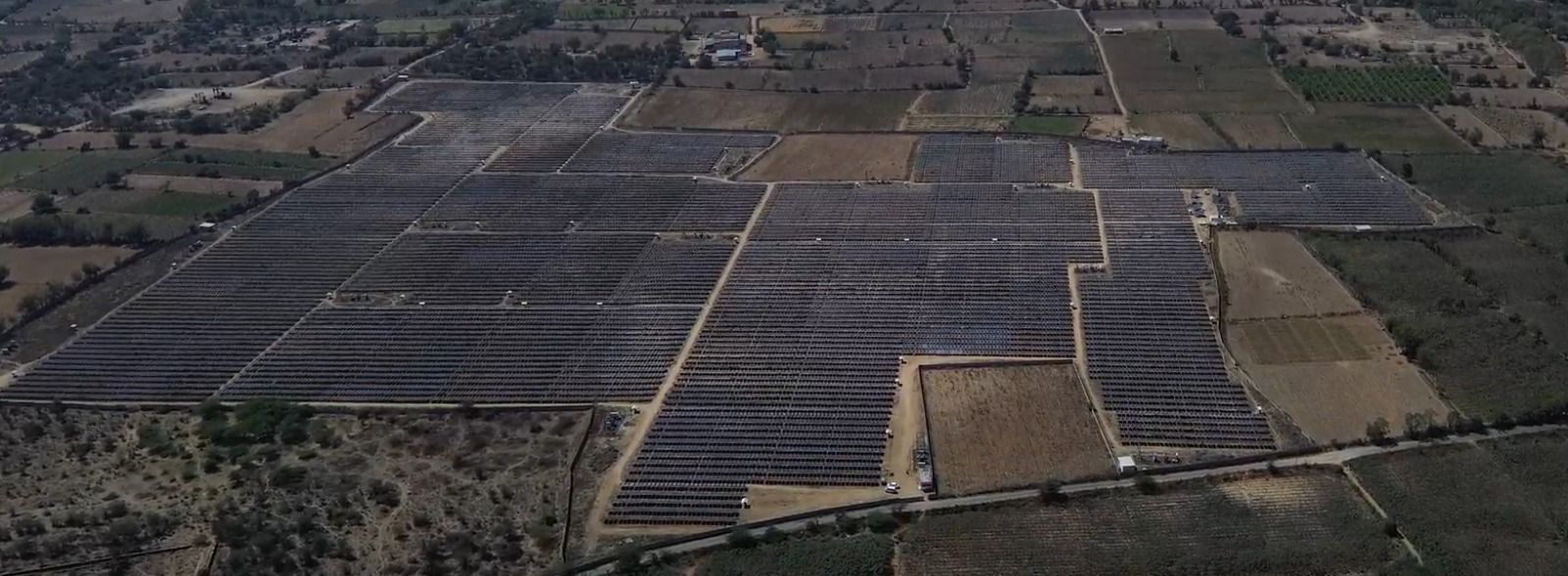
India is at the forefront of the renewable energy revolution, and one of the brightest examples of this transformation is the Solar Park in Gujarat. Over the last decade, Gujarat has emerged as a solar energy powerhouse, leveraging its arid climate, vast land availability, and strong policy framework to attract investments in solar infrastructure.
From Asia’s largest renewable energy projects in Kutch to decentralized installations across the state, Gujarat’s commitment to clean energy is shaping India's sustainable future.
Table of Contents
- The Rise of Solar Energy in Gujarat
- Major Solar Parks in Gujarat
- Government Policies Driving Solar Growth
- Economic and Environmental Benefits
- Technology and Innovation in Gujarat's Solar Parks
- Key Players in Gujarat’s Solar Revolution
- Challenges in Scaling Solar Parks
- Future Outlook for Solar Parks in Gujarat
- How Gujarat Inspires the Rest of India
- Role of EPC Companies and Local Participation
- Conclusion
- Frequently Asked Questions
Gujarat Leads India’s Solar Revolution
Gujarat has become one of India’s leading solar energy states with thousands of megawatts of installed solar capacity. The state has consistently led rooftop solar adoption and utility-scale solar development through innovative projects and supportive government policies.
Major projects such as:
- Khavda Hybrid Renewable Energy Park
- Charanka Solar Park
- Dholera Solar Park
- Canal-Top Solar Projects
have established Gujarat as a benchmark for renewable energy deployment in India.
Supportive Policies and Green Impact
The state government has actively promoted solar adoption through:
- Solar power policies
- Renewable energy incentives
- Net metering programs
- Farmer-focused solar schemes
- Rooftop solar subsidies
These initiatives help:
- Reduce carbon emissions
- Create employment opportunities
- Enhance energy security
- Lower dependence on fossil fuels
| Solar Park | Location | Capacity (MW) | Special Feature |
|---|---|---|---|
| Khavda Hybrid Renewable Energy Park | Kutch | 30,000 MW | World's largest hybrid renewable energy park |
| Charanka Solar Park | Patan | 600+ MW | First large-scale solar park in India |
| Dholera Solar Park | Dholera Special Investment Region | 5,000 MW | Smart city integrated infrastructure |
| Radhanesda Solar Park | Banaskantha | 700 MW | Optimized land utilization |
| Canal Solar Power Project | Narmada Canal Network | 11+ MW | Land-free solar generation |
Gujarat Solar Power Policy 2021
Key Features
- No capacity ceiling for solar projects
- Third-party rooftop leasing allowed
- Reduced developer security deposits
- Banking and net metering provisions
- Power purchase opportunities for surplus generation
Benefits
- Encourages private investment
- Supports decentralized solar generation
- Increases rooftop solar adoption
Gujarat Renewable Energy Policy 2023
Major Highlights
- Covers solar, wind, hybrid, floating, and canal-top projects
- Long-term policy support
- Extended project benefits
- Broad eligibility for developers and investors
Investment Goal
The policy aims to attract large-scale renewable energy investments and accelerate Gujarat’s clean energy transition.
Suryashakti Kisan Yojana (SKY)
This scheme empowers farmers to:
- Install solar systems on farmland
- Generate electricity
- Sell excess power to the grid
Benefits
- Additional farm income
- Reduced electricity expenses
- Enhanced rural sustainability
PM-KUSUM Scheme
The PM-KUSUM scheme promotes:
- Solar-powered irrigation pumps
- Reduced dependence on grid electricity
- Sustainable agricultural practices
Advantages
- Significant subsidies
- Lower operational costs
- Increased farmer independence
Economic Benefits
1. Job Creation and Skill Development
Solar parks create employment in:
- Construction
- Engineering
- Operations
- Maintenance
They also drive technical skill development across the renewable energy sector.
2. Investment Attraction
Gujarat's favorable policy environment attracts:
- Domestic investors
- International developers
- Renewable energy funds
This stimulates economic growth and infrastructure development.
3. Reduced Energy Costs
Solar power helps lower:
- Industrial energy expenses
- Commercial electricity costs
- Residential power bills
4. Local Economic Development
Benefits include:
- Improved infrastructure
- Rural income generation
- Land lease opportunities
- Increased business activity
5. Energy Diversification
Solar parks reduce dependence on:
- Coal
- Oil
- Natural gas
This strengthens long-term energy security.
Environmental Benefits
1. Reduced Greenhouse Gas Emissions
Solar parks generate clean electricity with:
- Zero operational emissions
- Lower carbon footprint
- Reduced climate impact
2. Conservation of Natural Resources
Solar energy reduces consumption of:
- Coal
- Water
- Fossil fuel reserves
3. Sustainable Land Utilization
Many projects utilize:
- Barren land
- Non-arable land
- Desert regions
This minimizes impact on agricultural production.
4. Water Conservation
Unlike thermal power plants, solar parks require very little water during operation.
5. Improved Air Quality
Solar energy eliminates emissions associated with conventional power generation.
6. Enhanced Energy Independence
Local solar generation reduces dependence on imported fuels and strengthens energy security.
Bifacial Solar Panels
Benefits include:
- Dual-sided power generation
- Higher efficiency
- Increased energy yield
In Gujarat's high-reflectivity environments, bifacial technology can significantly improve performance.
Solar Tracking Systems
Tracking systems:
- Follow the sun's movement
- Maximize solar irradiation capture
- Increase energy generation by 20–30%
Waterless Cleaning Technology
Used especially in arid regions like Kutch.
Advantages include:
- Water conservation
- Improved panel performance
- Lower maintenance costs
Hybrid Solar-Wind Projects
Combining solar and wind provides:
- More stable power generation
- Better land utilization
- Increased project efficiency
Canal-Top Solar Projects
A pioneering innovation in Gujarat.
Benefits:
- Generates power without additional land
- Reduces water evaporation
- Maximizes infrastructure utilization
Major Organizations
- Adani Green Energy Limited (AGEL)
- Tata Power Solar Systems
- Azure Power
- NTPC Limited
- ReNew Power
- Mahindra Susten
- Gujarat Energy Development Agency (GEDA)
- KPI Green Energy
- JJ PV Solar
- Zodiac Energy
These organizations have contributed significantly to Gujarat’s renewable energy growth and solar infrastructure development.
Regulatory Challenges
- Approval delays
- Environmental clearances
- Land acquisition complexities
Grid Infrastructure Limitations
Challenges include:
- Transmission bottlenecks
- Power evacuation constraints
- Energy curtailment risks
Financial Challenges
- Delayed payments
- Policy uncertainties
- Funding requirements
Environmental Considerations
Key concerns:
- Biodiversity protection
- Land-use conflicts
- Community displacement risks
Harsh Climatic Conditions
Particularly in regions like Kutch:
- Sandstorms
- Dust accumulation
- High temperatures
increase maintenance requirements.
The future remains highly promising.
Key Growth Drivers
- Large-scale renewable investments
- Expansion of Khavda Renewable Energy Park
- Dholera Solar Park development
- Advanced energy storage deployment
- Floating solar initiatives
- Canal-top solar expansion
Future Goals
- Increased renewable capacity
- Enhanced grid integration
- Improved energy storage capabilities
- Continued leadership in clean energy
Gujarat demonstrates how:
- Strong policy support
- Investor-friendly regulations
- Infrastructure development
- Renewable energy integration
can accelerate sustainable growth.
Its success serves as a blueprint for other Indian states pursuing clean energy transitions.
EPC Companies
Engineering, Procurement, and Construction (EPC) firms play a crucial role by providing:
- Project design
- Engineering expertise
- Procurement services
- Construction management
- System commissioning
These companies help ensure timely and efficient project delivery.
Local Community Participation
Benefits include:
- Employment generation
- Skill development
- Land leasing opportunities
- Rural economic growth
The collaboration between developers and local communities has been essential to Gujarat’s solar success.
The growth of solar parks in Gujarat reflects India's determination to build a cleaner and more sustainable energy future.
From pioneering mega-projects and innovative technologies to supportive policies and strong industry participation, Gujarat has established itself as a national leader in renewable energy.
Every solar park in Gujarat contributes to:
- Clean power generation
- Economic development
- Job creation
- Environmental protection
- Energy security
As technology advances and renewable energy adoption accelerates, Gujarat is well-positioned to remain at the forefront of India's solar revolution.
What is the largest solar park in Gujarat?
The Khavda Hybrid Renewable Energy Park in Kutch is planned to become the world's largest renewable energy park.
How much solar capacity does Gujarat have?
Gujarat has one of the highest installed solar capacities in India and continues to expand rapidly.
Can private companies invest in solar parks in Gujarat?
Yes. Gujarat actively encourages private investment through supportive policies, tenders, and public-private partnerships.
What is the approximate cost of a solar park?
Costs vary depending on technology, location, and project size, typically measured on a per-megawatt basis.
Are battery storage systems being integrated into solar parks?
Yes. New-generation projects increasingly incorporate battery energy storage systems to improve reliability and support grid stability.