
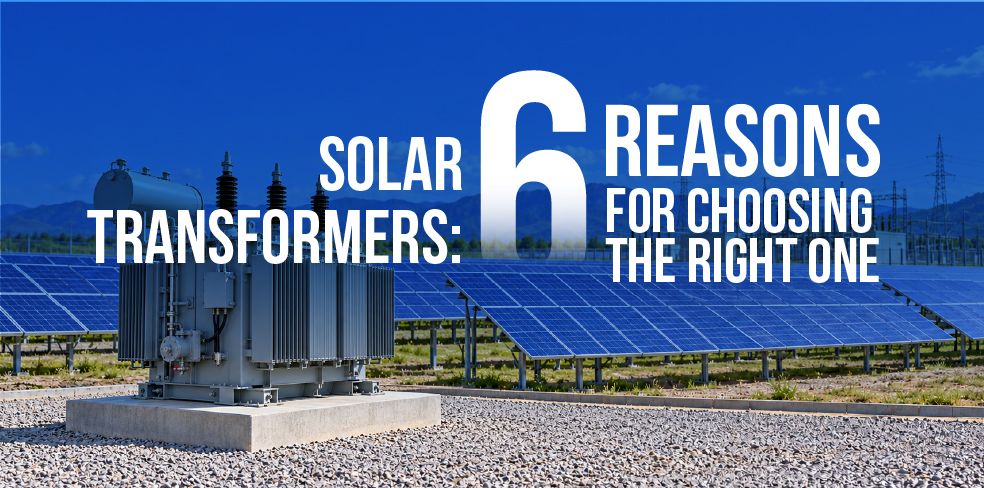
A solar power plant needs more than panels and inverters to deliver electricity safely and efficiently. Solar transformers help adjust voltage so the electricity generated by a solar system can reach a factory, commercial facility or electricity grid at the required level. For businesses investing in industrial solar, choosing the right transformer is an important part of project planning.
The transformer affects how the solar installation connects to the electrical network, how equipment operates under expected loads and what maintenance the system requires. A mismatch between the transformer, inverter and grid connection can lead to avoidable engineering problems, delays or operating risks.
For factory owners, plant managers and businesses considering solar power, understanding the basics of solar transformers can help them ask better questions before approving a project.
Planning an Industrial Solar Project? Start with the Right Electrical Design
A successful industrial solar project begins with understanding the facility's electricity demand, existing electrical infrastructure and connection requirements. Transformer selection should be part of this process, not a decision made after the main equipment has been ordered.
The right design helps coordinate the solar panels, inverters, transformers, cables and protection equipment. It also helps the engineering team identify potential compatibility issues before installation begins.
If your business is planning a rooftop or ground-mounted installation, Soleos Energy can help you discuss your project requirements and the engineering considerations involved.
Planning solar for your factory or commercial facility? Discuss your electricity consumption, available space and project objectives with an experienced solar EPC team.
Discuss Your Industrial Solar Project
What Is a Solar Transformer?
A solar transformer is an electrical device that increases or decreases the voltage of alternating current (AC) electricity. It helps connect a solar power system to the electrical network that will use or receive the generated power.
Solar panels produce direct current (DC), which inverters convert into AC. Depending on the project's design, a transformer then adjusts the AC voltage to match the requirements of the facility's electrical system or grid connection. Not every installation requires the same transformer arrangement.
Solar transformers generally serve four important functions:
-
Voltage adjustment: Increase or decrease AC voltage as required by the system.
-
Power distribution: Help deliver electricity between the inverter and the next part of the electrical network.
-
Electrical isolation: Provide isolation between circuits when required by the transformer design.
-
Grid connection: Support integration with the electrical network when the selected configuration requires voltage transformation.
For example, a factory may generate electricity from rooftop solar panels, but the inverter output voltage may not match the voltage needed at the factory's distribution point. A suitable transformer can help bridge that difference.
6 Factors Every Industrial Buyer Should Know Before Choosing a Solar Transformer
Selecting a solar transformer requires more than matching equipment to the advertised capacity of a solar plant. Engineers must consider how the inverter operates, how much power the system may deliver, where the installation will be located and how it will connect to the electrical network.
The following six factors can help businesses understand what their EPC team should evaluate.
1. Transformer Capacity and Solar Plant Size
Transformer capacity must match the expected electrical load and operating conditions. Choosing a transformer solely from the solar panel capacity can overlook important details, including inverter ratings and the maximum expected AC output.
An undersized transformer may experience excessive loading or heating. An oversized unit may increase capital costs and may operate less efficiently at low loads, depending on its design.
Before approving the transformer specification, check these four points:
-
Total inverter capacity and configuration.
-
Expected AC output.
-
Expected operating load and engineering margins.
-
Manufacturer recommendations and applicable design requirements.
The final rating should be calculated by qualified electrical engineers using project-specific data.
2. Voltage Requirements and Grid Connection
The transformer must match the voltage requirements of the equipment it connects. A solar plant may need to increase inverter output voltage before connecting to a medium-voltage network, while another system may use a different arrangement.
Grid connection requirements must be checked early because an incorrect voltage specification can create equipment compatibility issues or delay commissioning.
Ask the engineering team to verify:
-
Inverter output voltage.
-
Required voltage at the point of connection.
-
Applicable utility and grid requirements.
-
Protection and isolation arrangements.
These checks are particularly important for large ground-mounted plants that collect power from multiple inverters.
3. Heat Management and Operating Conditions
Transformers generate heat during operation. High ambient temperatures, heavy loading, restricted ventilation and harmonic currents can increase thermal stress, so the equipment must be suitable for the installation environment.
This is especially relevant for solar projects in hot regions of India. The design should account for local weather conditions rather than relying only on standard operating assumptions.
Four considerations include:
-
Expected ambient temperature.
-
Cooling method and ventilation.
-
Transformer loading and harmonic characteristics.
-
Manufacturer-specified temperature limits and monitoring requirements.
Appropriate thermal design helps protect the transformer, but regular inspection remains necessary throughout its operating life.
4. Energy Efficiency and Electrical Losses
Transformers consume some energy during operation. These losses generally include core losses, which occur when the transformer is energised, and winding losses, which vary with electrical loading.
Choosing an efficient transformer can help limit avoidable losses across the system. However, the best choice depends on the equipment's purchase price, expected loading, operating hours and lifetime costs.
Industrial buyers should compare:
-
Guaranteed efficiency and specified losses.
-
Expected operating load throughout the year.
-
Purchase cost alongside estimated operating costs.
-
Manufacturer test data and applicable standards.
A higher-priced transformer is not automatically the best investment. Businesses should compare verified specifications against their expected operating conditions.
5. Safety, Protection and Installation
Transformer safety depends on correct equipment selection, installation and integration with the wider electrical system. Protection devices help detect or isolate faults, while grounding and suitable insulation arrangements support safe operation.
The specific design depends on the transformer type, voltage level, electrical configuration and local requirements.
Before installation, verify these four areas:
-
Suitable protection devices and coordinated settings.
-
Correct grounding and earthing arrangements.
-
Required electrical clearances and safe access.
-
Installation and commissioning checks by qualified personnel.
Electrical installation and testing should follow approved procedures. Equipment must be isolated appropriately before maintenance work begins.
6. Maintenance and Long-Term Reliability
A transformer requires inspection throughout its service life. Maintenance needs vary according to the design, loading, environmental conditions and manufacturer instructions.
A planned maintenance programme can help identify unusual temperatures, physical deterioration, loose connections and other developing issues before they cause larger problems.
Businesses should plan for four maintenance activities:
-
Review operating temperature, load records and alarms.
-
Inspect the external condition and cooling arrangements.
-
Check connections, grounding and protection equipment through qualified personnel.
-
Maintain inspection reports, test results and records of corrective work.
Oil-filled and dry-type transformers have different maintenance requirements. The maintenance team should follow the manufacturer's instructions and applicable safety standards rather than using one schedule for every transformer.
How Does a Solar Transformer Work?
A solar transformer operates as part of a larger electrical system. It does not generate solar power or replace the inverter; its main role is to adjust AC voltage where necessary.
In a typical grid-connected industrial solar installation, electricity passes through several stages before reaching the facility's electrical network or the grid.
-
Step 1 — Solar generation: Panels capture sunlight and produce DC electricity.
-
Step 2 — Power conversion: Inverters convert DC electricity into AC electricity.
-
Step 3 — Voltage transformation: A transformer raises or lowers AC voltage according to the system design.
-
Step 4 — Power delivery: Cables, switchgear and protection equipment connect the system to the intended electrical network.
Consider a manufacturing plant that generates solar electricity during working hours. The inverter converts the electricity into AC, and the transformer adjusts its voltage if the plant's electrical arrangement requires it. The electricity can then supply connected loads or be exported when the system and grid arrangements permit.
The actual configuration depends on inverter specifications, facility voltage levels and utility requirements. Engineers must confirm these details before finalising the system.
Why Are Solar Transformers Important for Industrial Solar Plants?
Factories and commercial facilities often operate motors, pumps, compressors, production lines and other equipment that depend on suitable electrical supply conditions. Their solar systems must connect correctly to existing infrastructure while meeting applicable safety and grid requirements.
Solar transformers help manage voltage differences between parts of the electrical system. Correct selection also supports efficient power transmission and helps prevent equipment from operating outside its specified conditions.
Four key benefits of suitable transformer selection are:
-
Correct voltage levels: Help match the inverter output to the required electrical connection.
-
Efficient power transmission: Appropriate voltage levels can reduce current and resistive losses in relevant parts of the system.
-
Electrical system compatibility: Helps integrate solar equipment with the facility or grid when voltage transformation is needed.
-
Reliable operation: Proper sizing, protection and maintenance help reduce avoidable equipment stress.
A transformer cannot guarantee uninterrupted power or eliminate every power-quality issue. The complete system design, grid conditions, inverter controls and protection arrangements all affect performance.
Businesses planning an industrial installation can explore industrial solar solutions to understand how solar projects can be designed around commercial energy requirements.
Which Types of Transformers Are Used in Solar Power Plants?
Solar installations use different transformer types depending on their electrical layout and connection requirements. An industrial rooftop project may need a different arrangement from a utility-scale plant that sends electricity through a collection network and substation.
Four types commonly considered in solar applications are:
-
Inverter duty transformers: Designed to work with inverter output and its electrical characteristics.
-
Step-up transformers: Increase AC voltage for connection to a higher-voltage network.
-
Step-down transformers: Reduce AC voltage for downstream equipment or a particular electrical system.
-
Pad-mounted or isolation transformers: Used where their enclosure, installation arrangement or electrical isolation characteristics suit the project.
These categories describe different functions or construction features, and they are not always mutually exclusive. For example, an inverter duty transformer may also be a step-up transformer.
The correct choice depends on the project's electrical design, not simply the transformer name.
Common Solar Transformer Problems and How to Prevent Them
Transformer problems can affect solar plant availability, maintenance costs and electrical safety. Some develop gradually, while others become visible during heavy loading or after an electrical fault.
Correct engineering, appropriate protection and planned inspections help reduce these risks, although no equipment design can eliminate every possibility of failure.
Four issues deserve attention:
-
Overheating: May result from excessive loading, poor cooling or harmonic currents. Correct sizing and temperature monitoring can help identify problems.
-
Incorrect capacity: A mismatch between transformer rating and expected operating conditions may cause unsuitable loading. Engineers should verify maximum expected output.
-
Insulation deterioration: Heat, moisture, contamination and ageing can affect insulation. Appropriate inspection and electrical testing help assess its condition.
-
Connection and protection faults: Incorrect settings, loose connections or unsuitable grounding can create operating and safety risks. Qualified technicians should inspect the system.
If a solar plant generates less electricity than expected, the transformer should not automatically be assumed to be the cause. Inverter faults, panel soiling, shading, equipment outages and grid restrictions may also affect output. Monitoring data and appropriate testing can help identify the actual problem.
How Solar Transformers Support Different Industrial Applications
The transformer arrangement must reflect how a business uses electricity and how its solar plant connects to the electrical network. Manufacturing facilities, warehouses and utility-scale plants can have very different load profiles and connection requirements.
Four examples show how transformers fit into these applications:
-
Manufacturing plants: Help connect solar inverters to the factory's electrical distribution network where voltage transformation is required.
-
Warehouses and commercial buildings: Support integration between solar generation and existing electrical infrastructure.
-
Ground-mounted solar plants: May raise voltage before electricity enters the plant's collection network.
-
Solar-plus-storage installations: Form part of the electrical connection between inverters, storage equipment and the grid, depending on the design.
For example, a factory may use most of its solar electricity during daytime production hours. Its electrical design needs to account for solar output, factory demand and any surplus electricity that may be exported under the applicable grid arrangements.
A large solar park may instead collect electricity from multiple inverters before sending it to a substation. The equipment configuration will depend on the plant's capacity and connection design.
Explore commercial solar power plants for more information about the components and planning considerations involved in commercial-scale solar installations.
Why Transformer Selection Should Be Part of Solar EPC Planning
Transformer selection should be coordinated with the rest of the solar project. Planning it early gives the engineering team an opportunity to check equipment compatibility, electrical requirements and installation constraints before procurement and construction proceed.
An integrated Engineering, Procurement and Construction (EPC) process coordinates the technical design with equipment selection, installation and commissioning. This helps identify potential issues before they affect project execution.
Four important stages are:
-
Site and load assessment: Review electricity consumption, existing infrastructure and project objectives.
-
Electrical design: Coordinate panels, inverters, transformers, cables, switchgear and protection equipment.
-
Procurement and installation: Verify specifications and install equipment according to the approved design.
-
Testing and commissioning: Check connections, protection settings and system operation before handover.
Soleos Energy provides solar project development and EPC services for commercial and industrial applications. Businesses planning a solar installation can discuss their requirements with the team to assess the appropriate project configuration.
Get the Electrical Design Right Before Your Solar Project Begins
Share your facility type, approximate electricity demand and project goals to start a discussion about your solar project requirements.
Discuss Your Solar Project with Soleos Energy
Conclusion: Choose Solar Transformers Based on Your Project Requirements
Solar panels generate electricity, and inverters convert it into usable AC power. Solar transformers help adjust voltage where required so that electricity can connect to the intended facility or grid network.
For industrial buyers, the decision should be based on six core factors: capacity, voltage requirements, thermal conditions, efficiency, safety and maintenance. Evaluating these factors during project design helps ensure the selected equipment matches the electrical system.
Transformer choice alone does not determine the performance of a solar plant. The quality of the complete design, installation, commissioning and maintenance programme also matters.
If your business is considering a rooftop or ground-mounted solar installation, make transformer requirements part of the initial engineering discussion. Soleos Energy can help you discuss your commercial or industrial solar project requirements.
FAQs
1. What is a solar transformer used for?
A solar transformer adjusts AC voltage to meet the requirements of a facility or grid connection. Depending on its design, it may also provide electrical isolation between circuit sections.
2. Does every solar power plant need a transformer?
No. Whether a transformer is required depends on inverter output voltage, the electrical network, system configuration and connection requirements. A qualified engineer determines the appropriate arrangement.
3. How do I choose the right transformer capacity for an industrial solar plant?
The rating depends on inverter capacity, maximum expected output, voltage requirements, loading conditions and the installation environment. A qualified electrical engineer should calculate the required capacity using project-specific data.
4. What is the difference between a step-up and a step-down transformer?
A step-up transformer increases AC voltage, often before electricity enters a higher-voltage collection network. A step-down transformer reduces voltage for downstream equipment or an electrical system that requires a lower level.
5. How often should a solar transformer be maintained?
There is no single inspection schedule for every transformer. Maintenance frequency depends on equipment design, manufacturer guidance, loading and site conditions. Qualified personnel should establish the inspection and testing plan and investigate abnormal temperatures, alarms, leaks or other warning signs.