QUALITY AND SAFETY FOR WEBSITE
SOLEOS ENERGY
QUALITY & SAFETY
Website Content & Visual Enhancement Proposal
Safety is built into every stage of project execution — from workforce readiness and risk identification to controlled work practices and recognition.
Employee Safety Standards at Soleos
At Soleos, safety is an integral part of project execution. We focus on building awareness, preparing our workforce, identifying risks and maintaining safe practices throughout site activities. From induction and PPE to risk assessment and recognition, our approach supports a safe and responsible working environment.
01 — HSE Induction & Medical Check-up
Building safety awareness from day one.
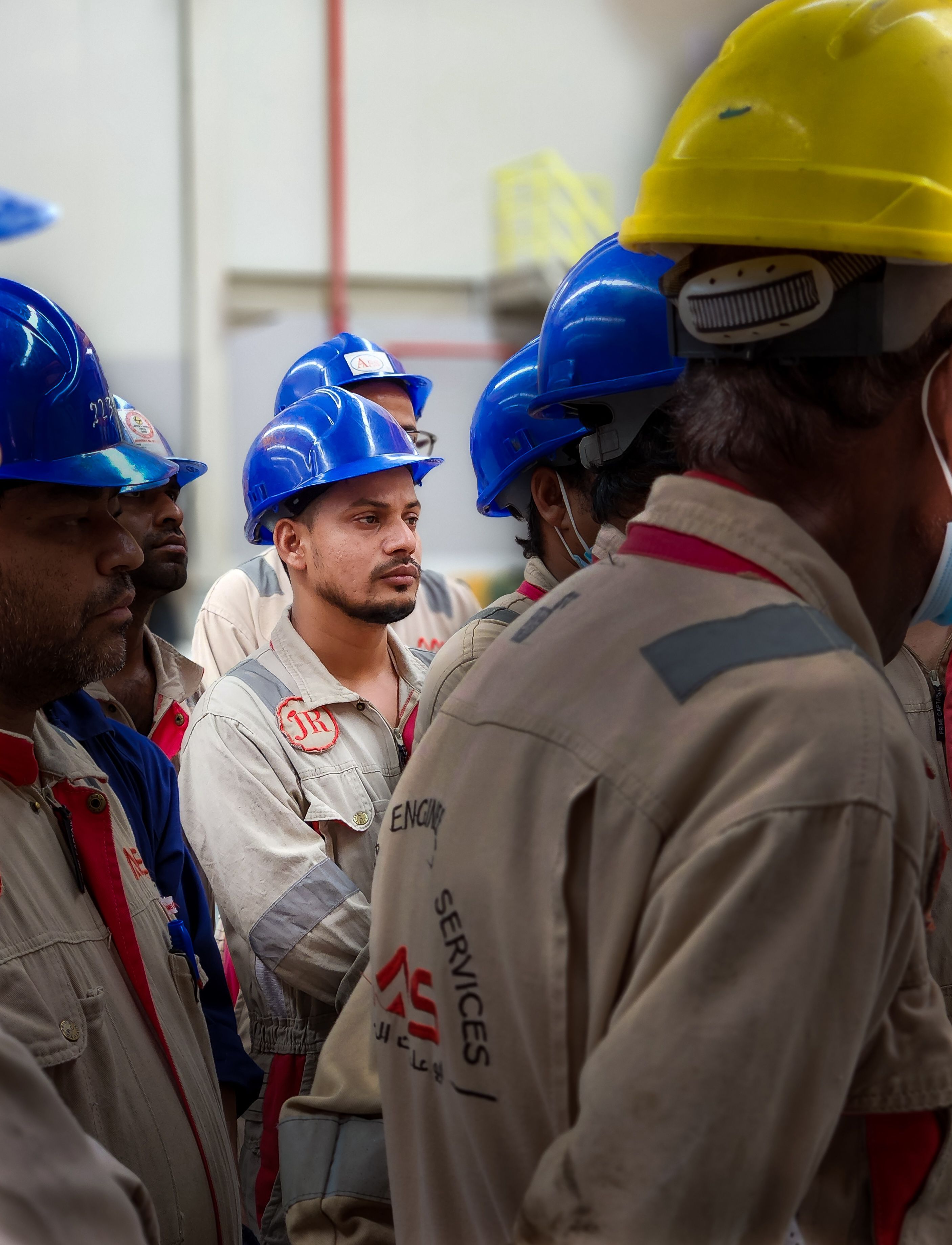
Every employee and project worker begins with a structured HSE induction before site deployment. The induction covers site-specific hazards, safety rules, emergency response procedures, reporting protocols and individual responsibilities. Medical fitness checks are completed as applicable before deployment to ensure personnel are prepared for their assigned activities.
Key Focus
- Site-specific hazards
- Emergency preparedness
- Medical fitness
Visual Reference
HSE Induction / Site Briefing
02 — PPE Handover to Employees
The right protection for every task.
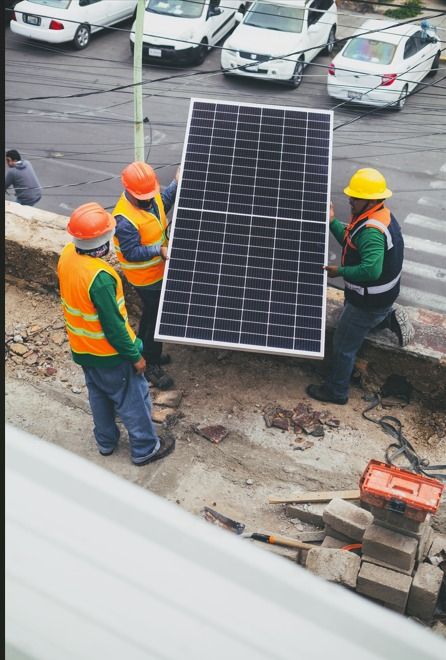
Personal Protective Equipment is provided according to the nature of the work and the risks identified for each activity. Employees are guided on the correct selection, use and care of PPE, including helmets, safety footwear, gloves, eye protection, reflective jackets, harnesses and electrical protection where required. PPE compliance remains an essential part of safe site execution.
Key Focus
- Task-specific PPE
- Correct usage & care
- Site compliance
Visual Reference
PPE / Safe Work Practices
03 — Toolbox Talk Before Work
Safety briefing before every activity.
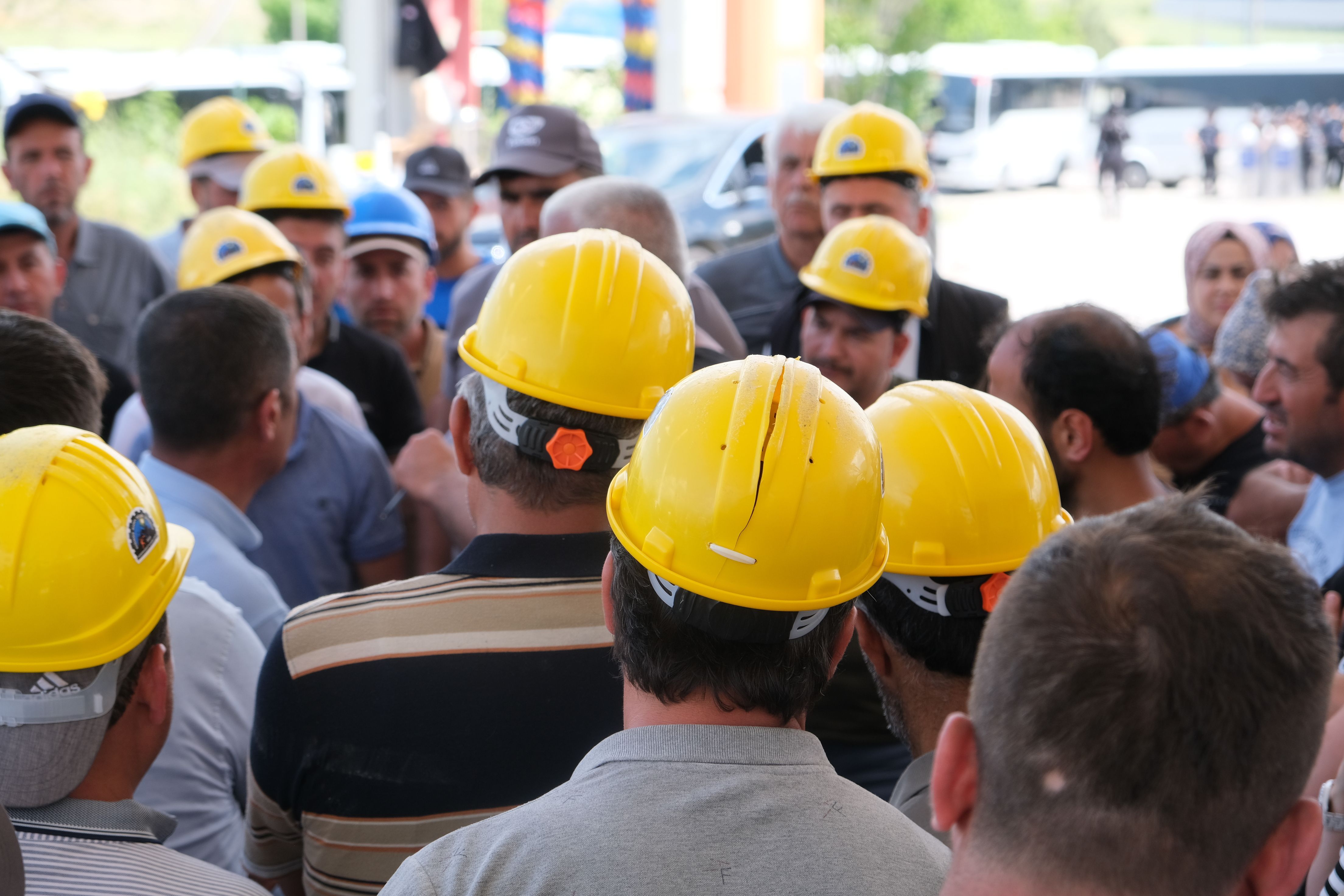
Toolbox Talks are conducted before daily activities to ensure that every team member understands the work planned and the associated risks. Supervisors and safety personnel discuss the work method, tools and equipment, key hazards, preventive measures, PPE requirements and emergency actions. These focused discussions help teams begin each activity with clarity and awareness.
Key Focus
- Daily activity briefing
- Hazard & control review
- Team communication
Visual Reference
Toolbox Talk / Team Briefing

04 — Permit to Work System
Controlled execution of high-risk activities.
High-risk and non-routine activities are controlled through a structured Permit to Work system. Before work begins, the team verifies the work area, required PPE, tools and equipment, competent manpower, applicable isolation and emergency arrangements. Activities are undertaken only after the required authorization and safety conditions are confirmed.
Key Focus
- Pre-work verification
- Authorization & controls
- Safe execution
Visual Reference
Permit to Work / Verification

05 — HIRA – Hazard Identification & Risk Assessment
Identify the risk. Control it before work begins.
HIRA is used to identify potential hazards and evaluate risks before and during project activities. The assessment considers factors such as electrical work, work at height, civil activities, material handling, tools, vehicles, weather and site conditions. Suitable control measures are established and communicated to the workforce, enabling safer and more controlled execution.
Key Focus
- Hazard identification
- Risk assessment
- Control measures
Visual Reference
HIRA / Site Risk Assessment
06 — R&R Program – Reward & Recognition
Recognising people who make safety a shared responsibility.
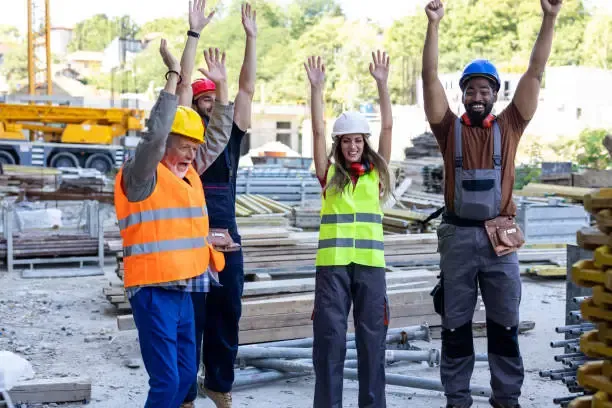
A strong safety culture grows through participation and positive reinforcement. Soleos encourages employees and teams who demonstrate safe behaviour, report unsafe conditions, follow established procedures and actively contribute to site safety. Recognition of these efforts promotes ownership, accountability and continuous engagement in maintaining safe working conditions.
Key Focus
- Safe behaviour
- Hazard reporting
- Employee ownership
Visual Reference
Reward & Recognition